Where France’s Price Labels Mislead (Street-Level Truths)
France’s romance masks wide local price swings — use INSEE and notaire data to spot seasonal distortions, street-level value, and lifestyle‑matched property choices.
 Ashworth & Drake
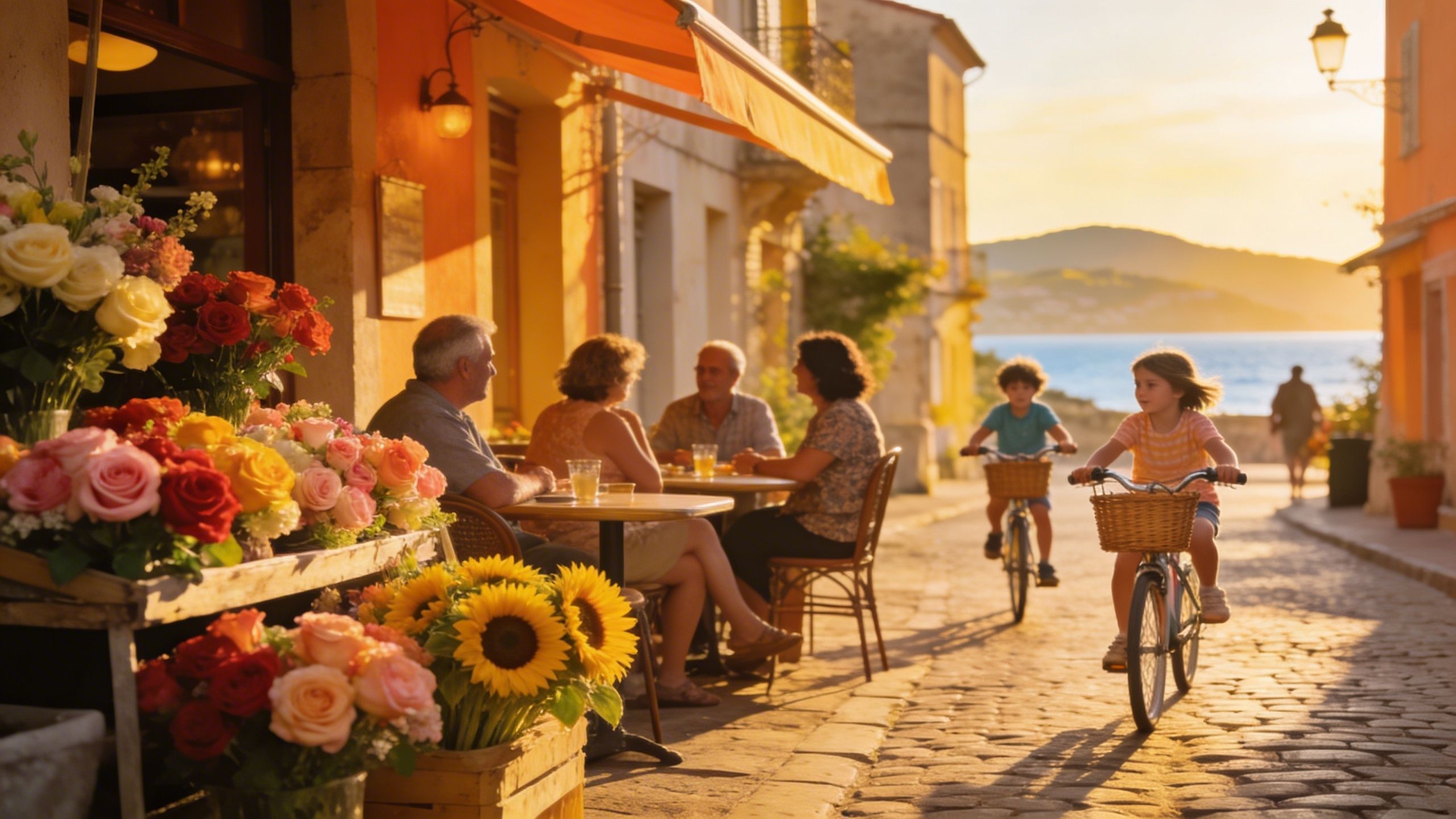
Imagine buying a morning espresso on Rue Cler, watching the market vendors set out piles of cheese and pears, then stepping into a compact 19th‑century flat a five‑minute walk away — light that bends differently at 10am, neighbours who know your name. France sells a daily rhythm as much as it sells architecture: public markets, weekday cafes, and long Sunday lunches. But for international buyers the dream and the data don’t always match; prices vary wildly by street, season and type of property, and reading the signals matters. We lean on national data and local stories to show where value hides — and where it doesn’t.
Living the France lifestyle

France feels like a collection of neighbourhood rituals stitched to dramatic landscapes. In Paris, the rhythm is boulangerie at dawn and apero at dusk; on the Côte d’Azur it’s terrace life and salt-scented walks; in rural Nouvelle‑Aquitaine or Occitanie it’s market mornings and afternoons in the vineyard. For buyers this matters: lifestyle dictates what you actually use — terraces and shutters in the south, compact layouts and quiet inner courtyards in city centres. Understanding those rhythms helps you match property type to daily life, not to a postcard image.
Paris: streets, markets and micro-prices
In Paris a single arrondissement can contain both booming streets and quieter blocks trading at noticeably lower square‑metre rates. Central arrondissements like the 7th and 6th have stable premium pricing, while parts of the 19th and 20th offer more accessible entry points with strong local culture. National data — cross‑referenced with notaire indices — show Paris remains an outlier: city prices lag or lead national trends depending on tourist demand and local supply. If you love a street, map recent sale prices on that street rather than relying on borough averages.
The Riviera and seasonal distortions
The Côte d’Azur feels expensive because of concentrated seasonal demand: July and August transactions skew to holiday buyers and short‑let investors, which lifts headline prices. Outside high season, the same villa or apartment can trade at lower effective yields and present negotiation room. We’ve seen smart buyers use autumn and winter viewings to pressure-test value, meet local neighbours and check how a place functions beyond the glamour. Remember: what feels expensive at sunset might be negotiable in November.
Lifestyle highlights to look for when visiting: Marché d’Aligre (Paris), Plage de la Garoupe (Antibes), Rue des Teinturiers (Avignon), marché couvert Les Halles (Bordeaux), coastal path walks at Cap Ferret.
Making the move: practical considerations

Dreams meet reality when you open the price files. National statistics from INSEE and notaire indices give the large‑scale trends — recent quarters show a tentative recovery in prices after a multi‑quarter slowdown — but these averages hide local volatility. Mortgage availability, interest rates, and regional supply matter more to your deal than the national headline. Treat national data as a map, then drill into departmental and commune‑level sales to find the exact contours of value.
Property styles: how form shapes use
A stone farmhouse in Dordogne gives you land and long views but higher renovation costs and seasonal isolation; a Parisian haussmannien flat offers proximity to services but smaller living areas and stricter co‑ownership rules. New builds in suburban Bordeaux provide energy efficiency and easier parking but less character. Match the property’s physical form to your intended life: year‑round living, seasonal rental, or a lock‑up‑and‑leave investment. That decision changes financing options, tax treatment and estimated operating costs.
Working with local experts who speak lifestyle
1. Choose an agency with proven local sales data and references — ask for three comparable recent sales on the same street. 2. Use a notaire early: they hold the sale history and will flag title or servitude issues before you get emotionally attached. 3. Meet a local builder or surveyor on site — French renovation rules vary by commune and can change timelines dramatically. 4. Run a micro‑market check: talk to neighbours, visit the market, and check short‑let listings to understand seasonal demand. 5. Keep an independent accountant or tax adviser to model net yield and ownership costs across scenarios.
Insider knowledge: what expats wish they'd known
Expats often underestimate how much the small things add up: co‑propriété charges in Paris, property tax bills that arrive in the autumn, or stricter coastal planning rules that limit extensions. Cultural rhythm matters too. Neighbour relations in village centres can determine whether your renovation is welcomed or resisted. Knowing the local calendar — market days, school holidays, municipal meetings — gives you a practical edge when negotiating and integrating.
Cultural integration and language
Learn basic French phrases before your first visits; a few courteous sentences open doors in small towns more than a polished CV. Join local associations, green‑space cleanups, or market volunteer days — these are the fastest ways to be seen as a future neighbour rather than an outsider. Agencies who help arrange these introductions can speed up both the practical and social sides of settling in.
Long-term perspective: what holds value
Durable value factors: - Proximity to reliable transport (TGV/airport links) - Local services: a weekly market, pharmacy and primary school - Architectural quality and protected status (which can both constrain and preserve value) - Land or usable outdoor space in coastal or rural properties - Energy performance and renovation potential
Conclusion: fall for the life, insist on the file. France rewards patience: sites that feel like home at 10am are the ones you’ll still love in five years. Use national data from INSEE and notaire indices to locate trends, then zoom into commune and street level to make decisions that match your lifestyle. If you want help converting a life idea into a shortlist of streets and comparables, we’ll walk the market with you — and bring the data that keeps romance from becoming risk.
Ashworth & DrakeDanish investment specialist who relocated to Costa del Sol in 2015. Focuses on data-driven market timing and long-term value for Danish buyers.
Related Articles
More insights that might interest you
 Villa Curated
 Villa Curated
 The Yieldist

