Buy in France Off‑Season: Stewardship Wins
A lifestyle-first guide to closing in France: why off‑season buying, green diagnostics and stewardship clauses give international buyers leverage and lasting joy.
 Moss & Hearth
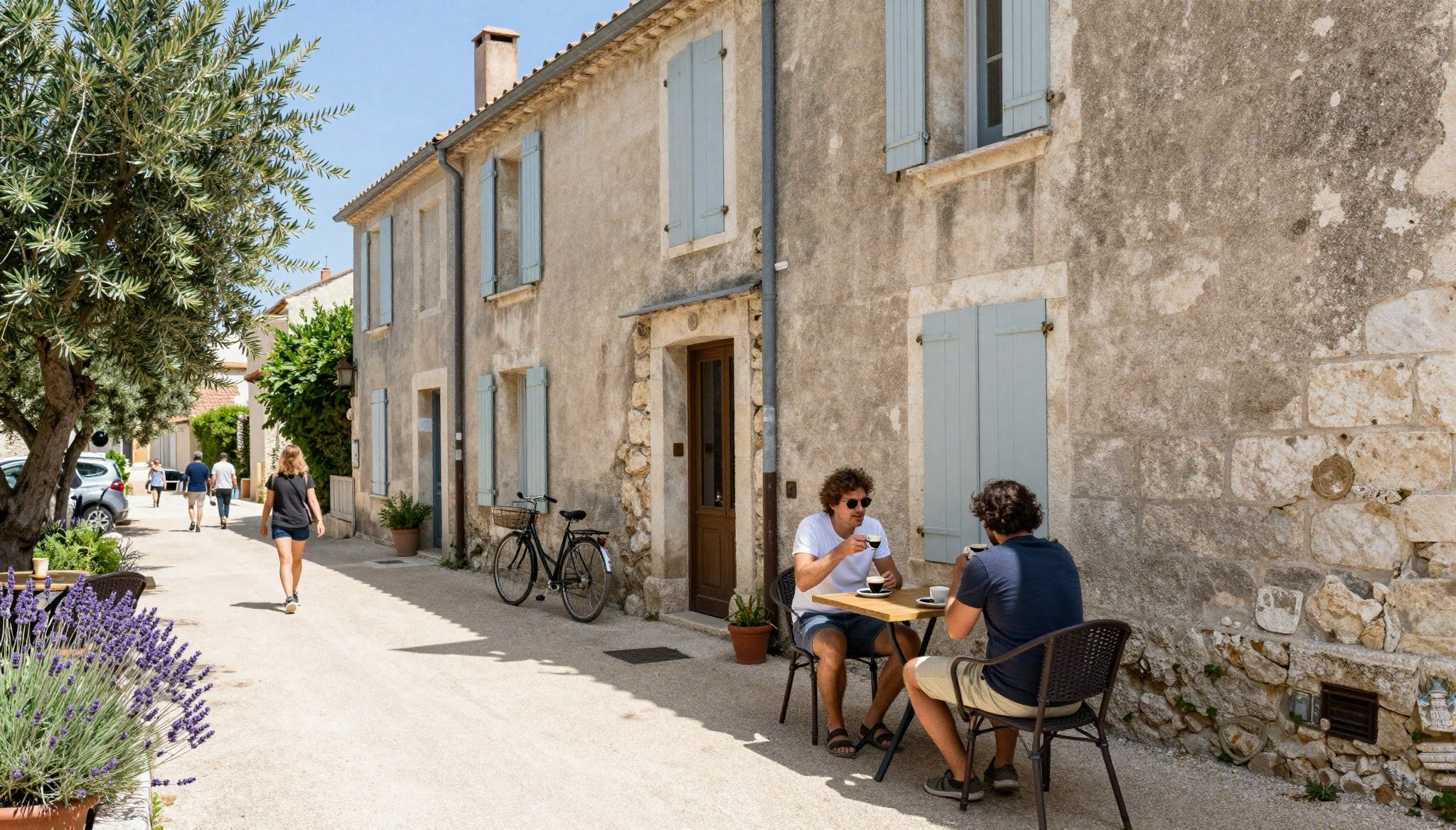
Imagine stepping out at dawn to buy a warm baguette on rue Cler in Paris, or wandering a mist-soft Provençal lane where stone houses breathe history and lavender. In France the daily rhythms — market chatter, late cafés, seasons measured by harvests and fêtes — shape not just how you live but what you look for in a house. This guide argues a slightly contrarian truth: if you want the best blend of lifestyle value, negotiation leverage and green‑renovation opportunity in France, consider the off‑peak, stewardship‑minded approach to closing and post‑purchase care.
Living the France lifestyle
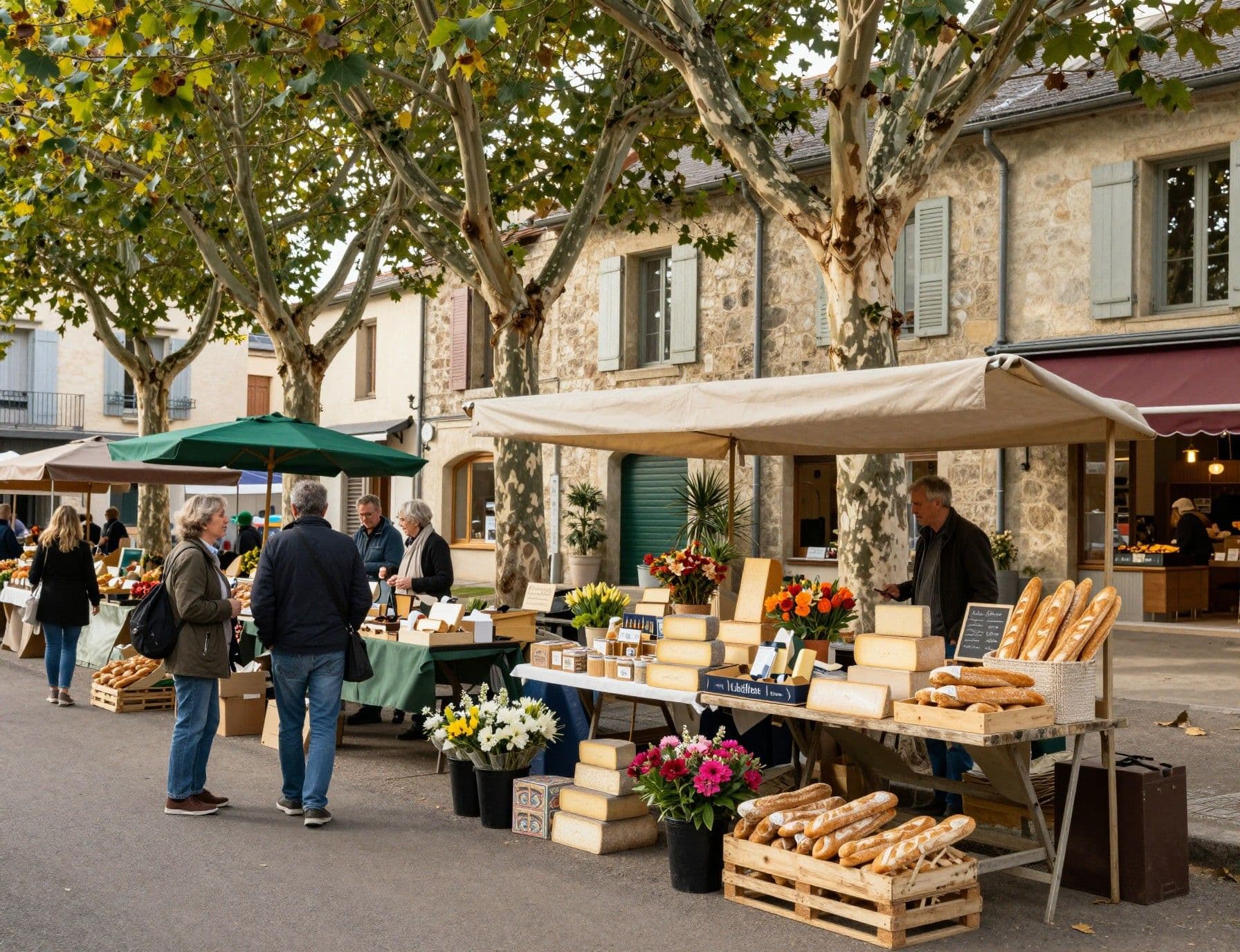
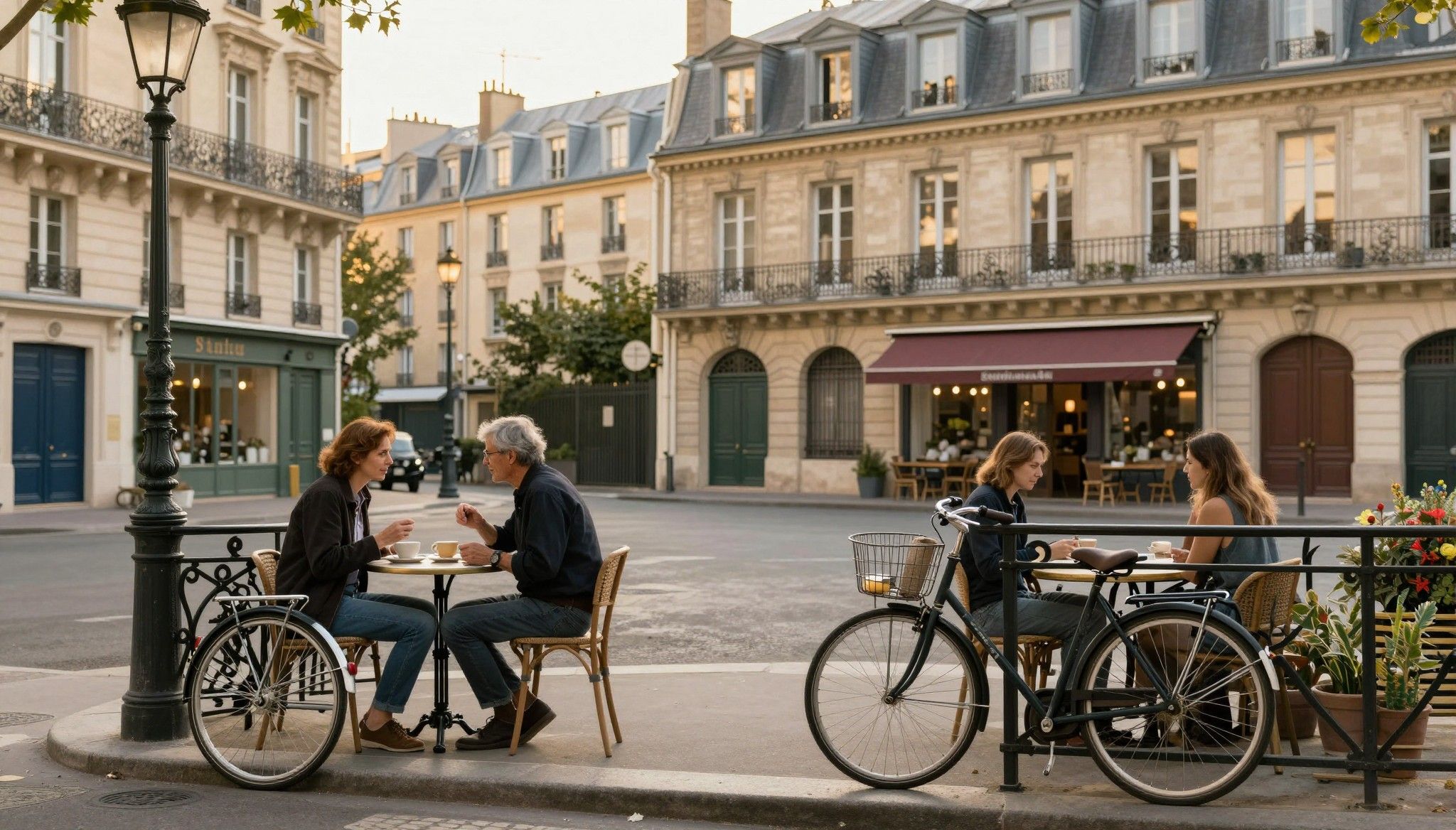
France is a collage of daily rituals that feel intimate to residents and irresistible to newcomers: weekday marché runs, aperitifs that last into twilight, Sunday drives to a village fête. Neighborhoods carry distinct personalities — Paris arrondissements where boulangeries open before dawn, Brittany fishing ports with salt on the air, and Dordogne hamlets where stone cottages nestle in oak groves. As you imagine life here, think sensory first: smell of wood fire, the softness of limestone underfoot, the convivial hum of local cafés where names become familiar.
Neighborhood spotlights: Paris to Provence
Picture the Marais for art‑filled walks and hidden courtyards, the 7th for stately green avenues and marchés on rue Cler, and Canal Saint‑Martin for slow Sunday promenades. In Provence, try L'Isle‑sur‑la‑Sorgue for antique markets and river terraces, or the Luberon villages where olive groves and stone mas create a life paced by light. Coastal tastes swing from the pebble charm of Collioure to the pine‑fringed coves of Biarritz; each place has microclimates, market rhythms and community rituals that will shape your daily life and the practicalities of owning a home.
Food, markets and seasonal life
Eating in France is civic: morning markets (marchés) determine the week, local producers anchor relationships, and festival seasons tilt calendars toward harvests and seafood binges on the coast. These cycles also influence property life — vegetable gardens, cellars for wine, and kitchen sizes matter more here than in many other markets. If you love cooking and local produce, look for properties with south‑facing courtyards, usable terraces, and space for a small kitchen garden; these features translate directly into daily delight.
- Market‑day rituals and local delights: Marché d'Aligre (Paris), Place du Marché (Aix‑en‑Provence), coastal oyster stalls in Arcachon, Sunday brocantes in Provence, lavender harvest walks in Vaucluse
Making the move: practical considerations
The dream meets paperwork at contract signing, and in France that meeting is unusually ritualised: notaires (notaries) manage transfers, public records and certain taxes. Recent notarial market reports and INSEE indexes are essential reading because they show regional momentum and where negotiation room exists. Read them to understand seasonal price softness, typical closing costs, and which regions are returning to growth — this knowledge will inform the timing and tone of your offer.
Property types and how they shape stewardship
From a city Haussmann apartment to a rural bastide, each property type demands different stewardship. Older stone homes often require insulation upgrades, roof attention and sympathetic heating solutions; apartments in co‑ownership need a close read of syndic minutes and renovation plans. Energy diagnostics (DPE) now influence market value and renovation eligibility, so prioritise properties offering a clear pathway to improved efficiency rather than cosmetic charm alone.
How local experts turn lifestyle into contract leverage
A bilingual agent or a notaire who understands your stewardship goals can convert lifestyle priorities into contractual clauses — delayed possession for harvest season, clauses for energy upgrades, or contingent offers tied to syndic approvals. Know typical transaction costs (so‑called “frais de notaire”) early; these can be around 7–8% for resale homes and influence your net budget. Use that knowledge to shape your offer instead of being surprised at closing.
- Steps to a stewardship‑minded closing: 1) Commission a recent DPE and a structural check before making a firm offer. 2) Ask for transparent minutes from copropriété meetings if buying an apartment. 3) Add clear renovation contingencies tied to grant eligibility (e.g., MaPrimeRénov’ where applicable). 4) Work with a notaire early to flag local pre‑emption rights or administrative constraints. 5) Plan a post‑purchase stewardship budget (energy works, garden restoration, biodiversity features).
Insider knowledge: what expats wish they'd known
Many international buyers arrive enchanted by picturesque stone and shuttered windows, then learn that stewardship is a multi‑year, often communal project. Energy rules and renovation grants (such as MaPrimeRénov’) have real impact on renovation budgets and priorities — grants are evolving, so check current eligibility. Expat owners especially regret under‑estimating communal responsibilities in villages and co‑ops: maintenance is not optional and often reflects collective values.
Cultural integration and the rhythm of community
Language opens doors: a few phrases smooth market conversations and village life, while a local notaire or syndic often becomes a practical ally. Social customs — welcoming neighbourly calls, long market conversations, and shared fêtes — reward patience and presence. Expect that true integration unfolds through repeated seasonal visits; those who plant roots with neighbours and local producers often find better stewardship partners for gardens and heritage repairs.
Long‑term lifestyle and resilience
Think of home in France as landscape + structure: invest in rainwater management, passive solar orientation, native planting and thermal upgrades that honour the building’s character. These choices reduce running costs and protect the value of your property in a market increasingly attentive to energy labels and resilience. Stewardship is also social: contribute to local conservation efforts and you’ll often find reciprocal support during renovations and seasonal maintenance.
- Red flags to watch for before closing: missing up‑to‑date DPE or conflicting energy reports, large pending co‑op works without clear funding, unclear property boundaries in rural land, properties relying on heating oil without a feasible upgrade plan, and lack of water access or legal easements.
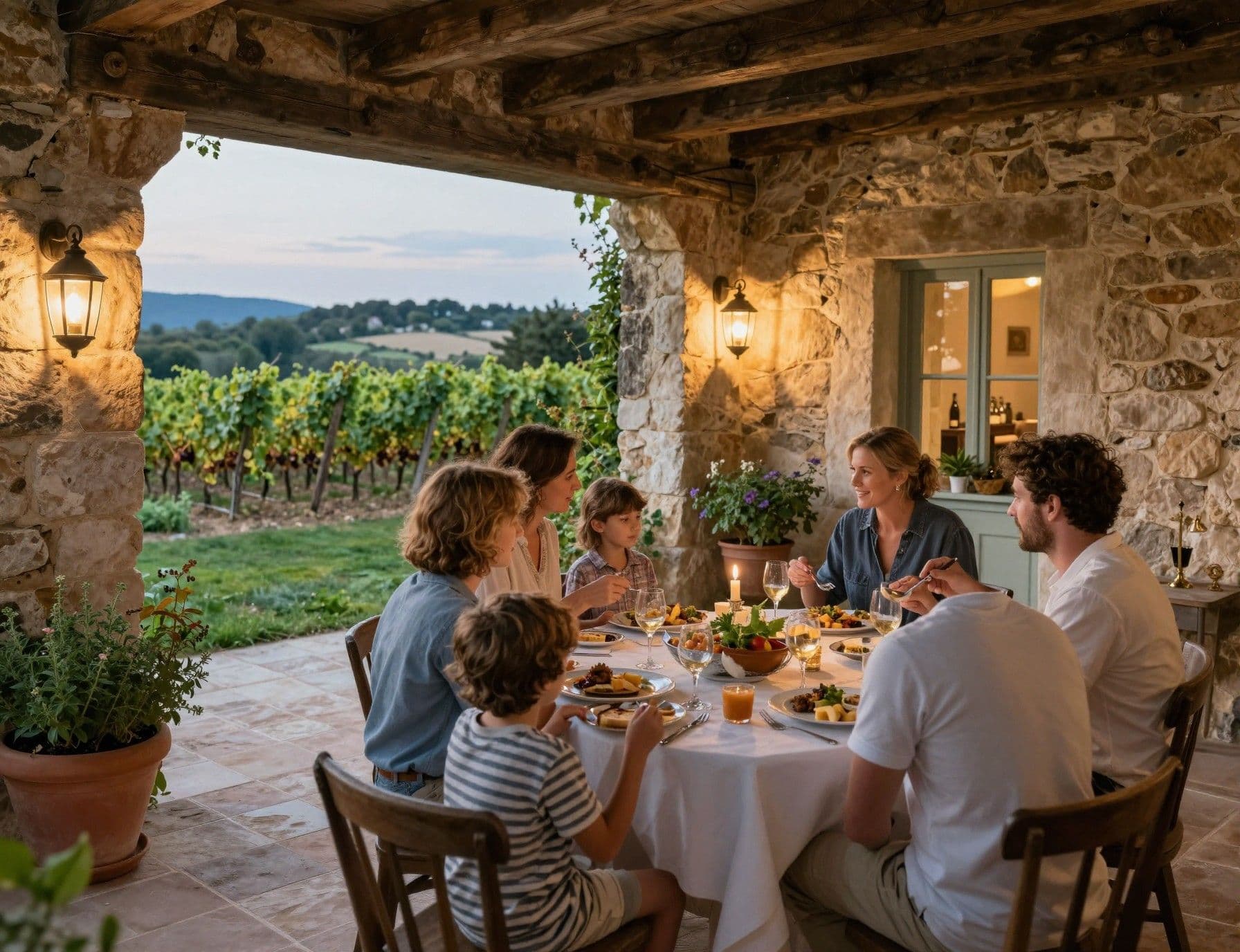
If you love the idea of mornings at local markets, neighbourhood fêtes and houses that feel like a stewarded piece of landscape, France rewards patient, values‑driven buyers. Start with off‑season visits to test daily rhythms, engage a local notaire early, and prioritise properties where energy upgrades are practical and supported by grants or community will. When your offer closes, plan stewardship as a joyful long game — a conversation with the house, the land and your neighbours, season after season.
Moss & HearthDutch property strategist who helped 200+ families find sustainable homes in southern Europe; expert in legal pathways and long-term stewardship.
Related Articles
More insights that might interest you
 Villa Curated
 Villa Curated
 The Yieldist

