
Skip the Title‑Deed Panic: Smart Due‑Diligence in Greece
Fall in love with Greek life—but do the legal homework: use the Hellenic Cadastre, a local lawyer, and on‑site checks to avoid delays and hidden risks.
 MoveSettleGo
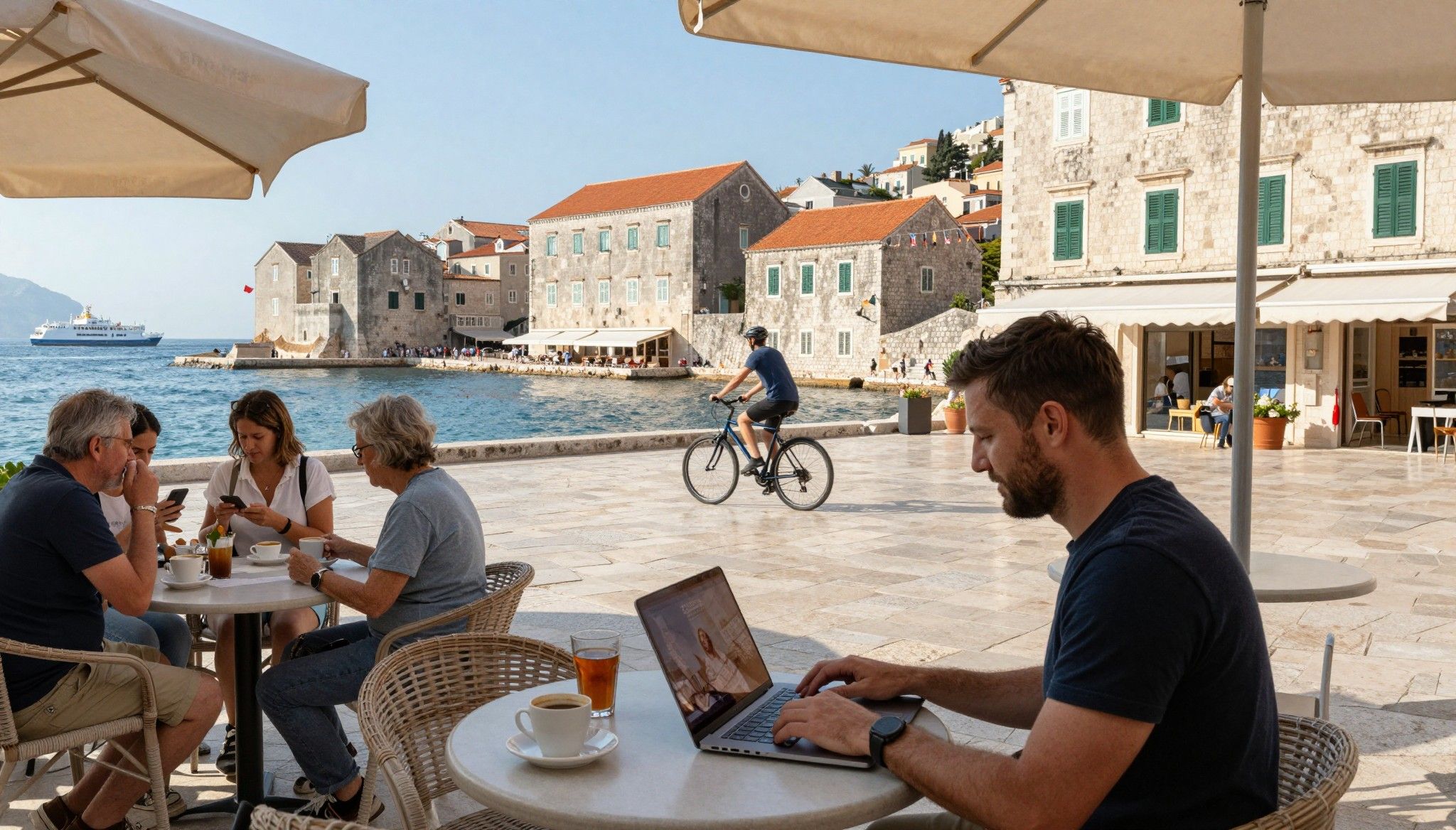
Imagine waking to a balcony of bougainvillea, then heading to a sunlit kafeneio where neighbours argue gently about football and the best fish of the week. That slow, bright rhythm — markets, sea swims, late-night tavernas — is why people fall for Greece. But behind the postcard there’s a legal reality: land records are mid‑modernisation, rules vary by island and region, and small paperwork slips can derail a dream. This guide keeps the romance and gives you the exact legal steps to protect your purchase in Greece.
Living the Greece Lifestyle

Greece isn’t one mood but many. Athens hums with espresso shots and galleries (Pangrati, Koukaki, Exarchia). Chania’s Venetian alleys smell of baking bread and olive oil. On the Cyclades, mornings mean fishing boats and afternoons mean island siestas. Knowing the daily rhythm of the neighbourhood you love matters when choosing a property: a busy kafeneio below a city apartment is glorious — unless you need quiet for calls.
Neighbourhood snapshots that actually matter
Pick specifics. In Athens, Agios Dimitrios and Kifisia offer leafy mornings and quick metro links; in Thessaloniki, Ano Poli gives historic charm but steep stairs; on Naxos, the port area is lively in summer and sleepy in winter. Walk the streets at 8am and 8pm to feel seasonality — what’s charming in July can be deserted in November, and that affects rental demand and local services.
Food, markets and micro‑community life
Morning market runs are where life happens: Varvakios Market in Athens, Modiano in Thessaloniki, little island stalls on Paros. These spots tell you about supply chains, produce quality and whether you’ll be able to eat locally year‑round. If you want a year‑round neighbourhood, prioritise places with a weekly market and at least one functioning bakery or supermarket outside tourist season.
- Lifestyle highlights to check during visits: • Morning coffee spots (test wifi and noise) • Weekly markets and open-air produce stalls • Evening tavernas that stay open year-round • Proximity to ferry/airport (seasonal access) • Local health clinic or pharmacy availability
Making the Move: Practical Considerations

Greece is digitising land records rapidly but unevenly. The Hellenic Cadastre (Ktimatologio) now hosts many services online, yet some areas still require lawyer visits to local offices. That means due diligence is part online search, part boots‑on‑the‑ground investigation — and both matter. Start with cadastral checks, then layer title history, municipal certificates and a local lawyer’s on-site check.
Property types & how they fit life here
Traditional stone houses deliver character but often need seismic upgrades and insulation work. New builds have modern systems and warranty but may lack charm and be far from village centres. For remote work, prioritise apartments with private quiet balconies or villas with a dedicated office space and reliable fibre — not all islands have fast broadband year‑round.
Work with local experts who protect the lifestyle
A bilingual lawyer or notary who knows island quirks is non‑negotiable. Agencies help surface lifestyle matches, but only a local lawyer can verify encumbrances, correct area zoning, and confirm that prior renovations were licensed. Use an expert who will do: cadastral extracts, mortgage/encumbrance searches, municipality building‑permit checks and a physical visit to the plot boundaries.
- Step-by-step due diligence (quick checklist): 1. Pull a cadastral extract on Ktimatologio and confirm parcel boundaries. 2. Order a title search from a licensed Greek lawyer to reveal mortgages, liens or disputes. 3. Request a municipal certificate confirming building permits and any planning restrictions. 4. Arrange a structural / seismic inspection for older stone or traditional homes. 5. Confirm utilities (water, electricity, telecoms) and broadband availability for remote work. 6. Use escrow or notary-held deposit procedures to protect funds until registration is clear.
Insider Knowledge: What Expats Wish They'd Known
Here’s where romance meets reality. Many expats assume islands are one‑size‑fits‑all — but inter‑island differences are huge. Ferry frequency, winter population, and municipal capacity affect everything from healthcare access to whether a property will earn steady rentals. The real risk isn’t flashy fraud; it’s buying to summer‑tourist rhythms and finding nothing left in winter.
Cultural clauses and unspoken rules
Sellers might casually reference 'the old rights' or a verbal agreement with neighbours. In Greece, oral customs don’t replace registered rights. Expect neighbours to claim historic access paths or water rights; insist these are documented. Also learn common seller phrases — 'all in order' sometimes means 'no big paperwork we saw' — so have documents verified, not just read.
Long-term life and legal sustainability
Think 5–10 years ahead: will the area keep services in winter? Are property taxes and maintenance affordable when you’re not renting? Confirm cadastre registration is possible for the plot — properties without clean cadastral status can take years to register and can limit resale. Use the cadastre portal and ask your lawyer for timelines and costs to final registration.
- Red flags to walk away from immediately: • Seller refuses a lawyer-led title search • Property not on any cadastral map and seller cannot show prior documentation • Unlicensed renovations or missing municipal permits • Disputed access roads or unclear neighbour rights • Promises about future tourist infrastructure that are not in municipal plans
- How to protect your deposit and close safely: 1. Use a notary or escrow account for deposits whenever possible. 2. Make purchase conditional on a clear cadastral extract and municipal clearance. 3. Stagger payments: initial reservation, contract signing, final transfer at notary after checks. 4. Keep a translated file (English + Greek) of all documents and receipts for taxation and residency purposes.
Buying in Greece can feel like falling in love: intense, sunny, a little chaotic. The trick is to keep that joy and remove the avoidable legal surprises. Start with a neighbourhood visit, shortlist streets you can imagine living on (test the wifi), then hire a bilingual lawyer to run cadastral and municipal checks. An agency opens the doors; the lawyer locks the deal. Do it right and you’ll be sipping espresso on your terrace while your paperwork quietly catches up.
MoveSettleGoSwedish, relocated to Marbella in 2018 to chase sun and property freedom. Focus on legal navigation and tax for Nordic buyers.
Related Articles
More insights that might interest you
 MoveSettleGo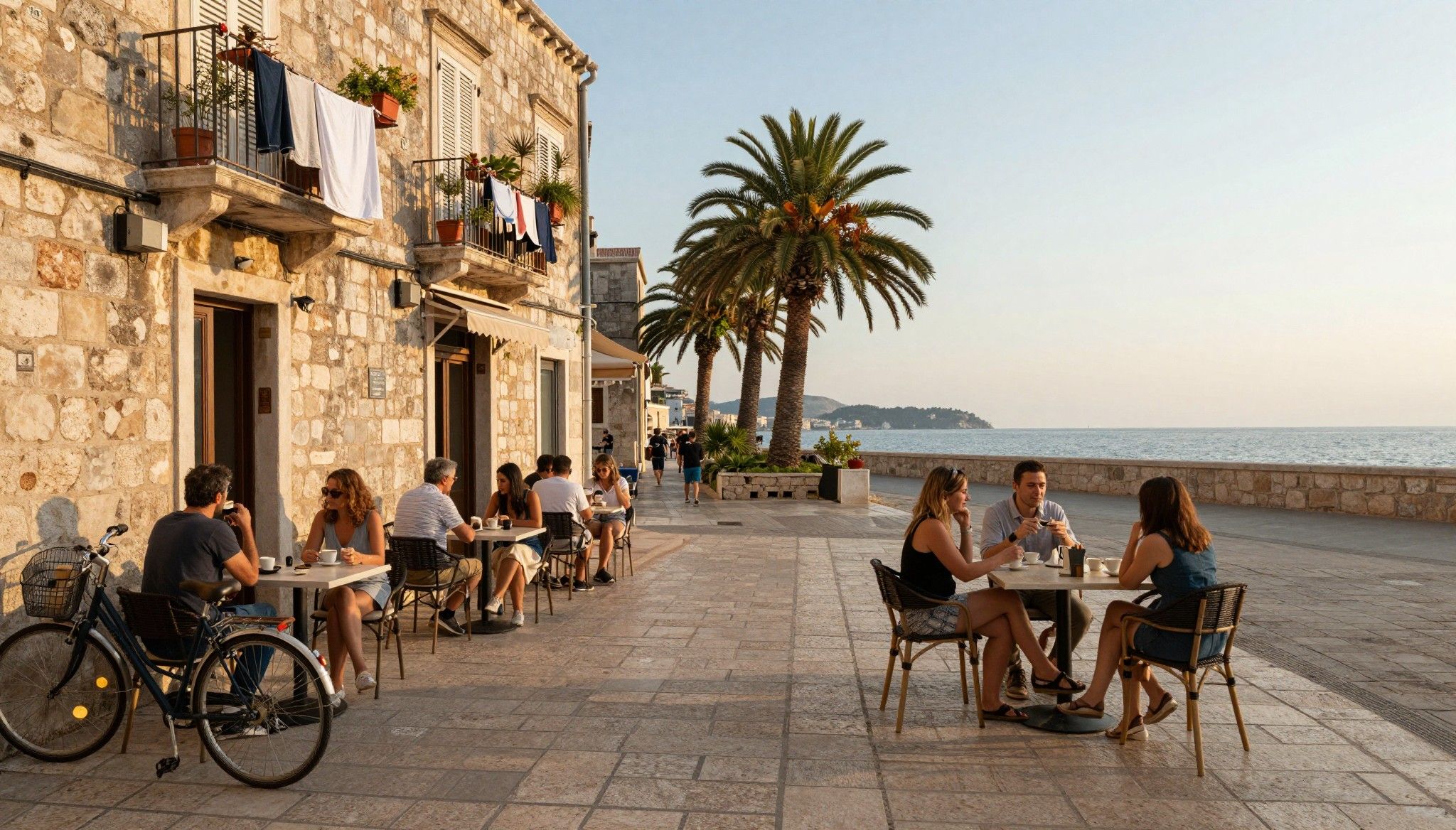
 Moss & Hearth
 MoveSettleGo