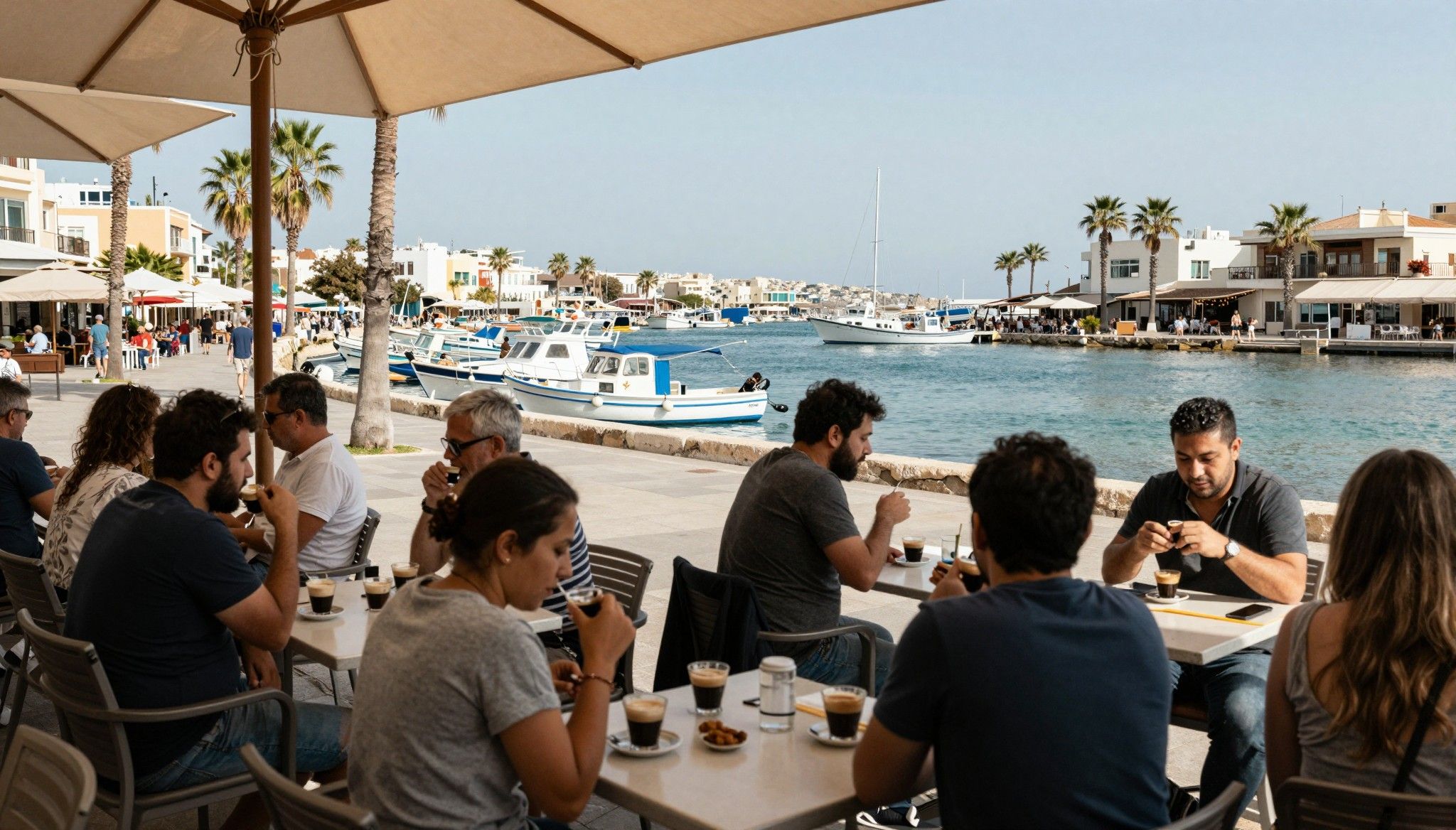
Cyprus: Slow Seasons, Solar and Stone — A Sustainable Start
A sensory, sustainability-minded introduction to buying in Cyprus—pair lifestyle rhythms with market data and practical, eco-focused steps backed by official sources.
 Moss & Hearth
Imagine sitting at a sun-warmed table on Anexartisias Street, sipping a strong Cypriot coffee while bougainvillea dusts the pavement with magenta. In the distance, the sea shimmers and a neighbour hangs laundry in a rhythm that has carried through generations. Cyprus offers that small‑moments magic—daily life shaped by markets at dawn, tavernas at dusk and a tempo that honours the seasons. For international buyers who care about sustainability, it's a place where rooftop solar, stone masonry and shade‑loving gardens feel as native as the citrus trees.
Living Cyprus: light, sea and village rhythms
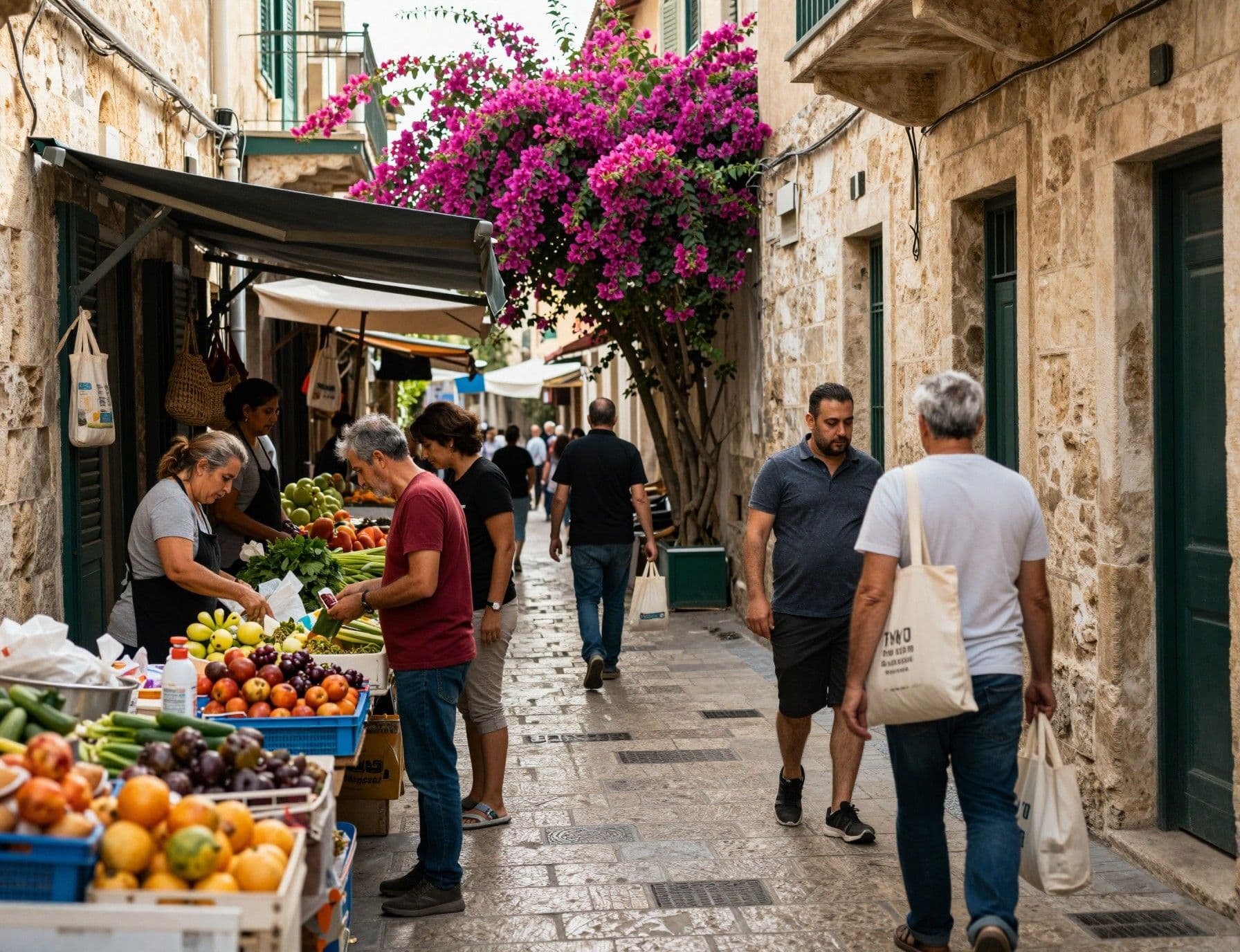
Cyprus lives on sunlight and slow mornings. Coastal towns pulse with café life—Limassol’s narrow lanes hum with espresso machines and yacht conversations, Larnaca’s palm-lined Finikoudes promenade mixes stroller crowds and fishermen, while Paphos whispers history between mosaics and harbour tavernas. Inland, Troodos villages trade the sea breeze for pine scent and stone stairways. Each place shows a different note of Cypriot rhythm; together they compose a life whose architecture, food and habits are designed around the climate and landscape.
Limassol and its understated green edges
Limassol often appears on buyers’ radars for its marina and international schools, but the real delight is in pockets like Agios Nikolaos and the old port where peeling façades meet shady courtyards. Walk the side streets off Franklin Roosevelt and you’ll find family bakeries, tiny hardware stores and courtyards sprouting fig trees—spaces that reward a slow, stewardship-minded life. For an eco-minded buyer, these areas make retrofit projects satisfying: thick stone walls, high ceilings and courtyards lend themselves to passive cooling and small-scale, tasteful solar additions.
Paphos, Larnaca and the quieter coasts
Paphos keeps one foot in legend and another in modern villa life—harbourside cafés and archaeological parks sit beside low‑rise developments with olives and carob trees. Larnaca is quietly practical: flat plots, easy access to the airport and a calming promenade. If you dream of mornings at a market and evenings at a family taverna, these coasts offer a life that blends local routine with manageable upkeep—ideal for buyers who want a sustainable base without the maintenance frenzy of large estates.
Making the move: lifestyle-led choices that survive market swings
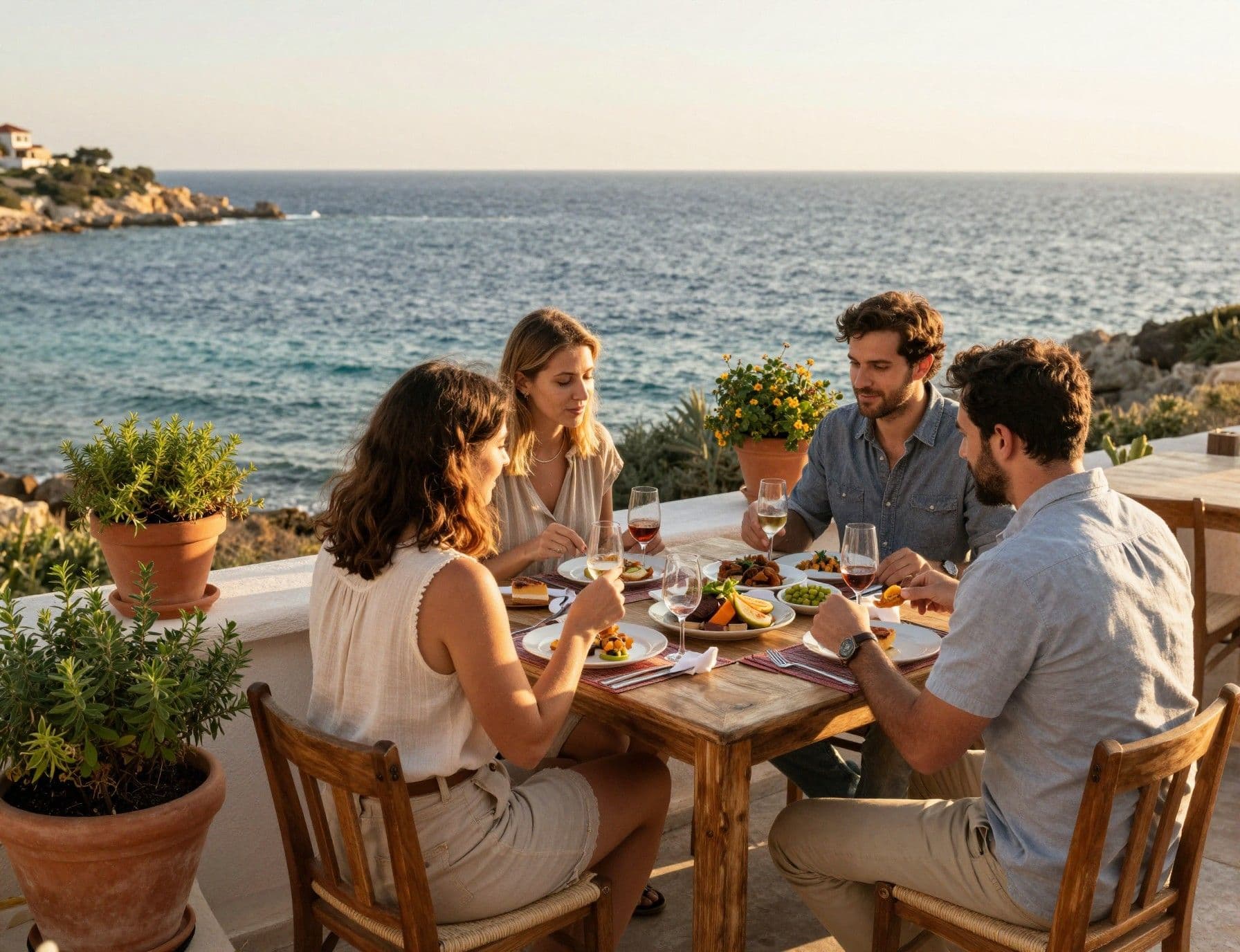
Dreams meet due diligence in Cyprus. Recent indices show steady price growth—buyers should pair lifestyle priorities with market reality. That means: identify the daily rituals you can’t live without (market mornings, coastal swims, mountain trails), then shortlist property types and micro‑locations that support them while offering green advantages like passive design, solar potential and native landscaping that reduces water needs.
Property styles that fit a nature‑first life
Stone village houses deliver thick thermal mass that cools interiors naturally; narrow townhouse plots lend themselves to shaded terraces and edible pocket gardens. New low‑rise builds often include insulated envelopes and pre‑wired PV options—prioritise homes with south‑facing roofs, deep eaves and courtyards that encourage outdoor living. Choosing the right shell saves energy and lets you spend more time enjoying the sea, not servicing a house.
Working with local experts who speak both language and landscape
A good local agent does more than show listings: they point out which streets keep shade in summer, which developments supply roof space for panels, where municipal water restrictions affect gardens, and who the craftspeople are for natural‑stone repairs. Seek agencies that can evidence past sustainable projects and who maintain relationships with local architects, engineers and ecologists—these networks make low‑impact living achievable from day one.
- Lifestyle + practical checklist when viewing properties in Cyprus:
- Inspect roof orientation and shading (south‑facing and unshaded is best for PV).
- Ask about building fabric: stone walls, insulation, and thermal mass.
- Check water supply arrangements and local drought measures for gardens.
- Confirm planning history and any restrictions on photovoltaic or water‑harvesting installations.
Insider knowledge: market signals, seasonal timing and a contrarian tip
Market signals are subtle in Cyprus: national indices reported modest but consistent gains in 2024–2025, buoyed in part by foreign buyers. But here’s a contrarian tip: avoid the high‑season frenzy. Late autumn and winter viewings reveal how a neighbourhood functions off‑peak—who shops locally, how wind and shade behave, and whether properties gain or lose light in winter. You’ll see the real rhythms behind the postcard summers.
What expats wish they’d known
Many expats arrive enchanted, then discover the everyday quirks: contracts use local legal terms, summer utility bills can spike without shading, and local maintenance rhythms differ from northern Europe. Recent official indices show continued price resilience, so pair romantic choices with checks on insulation, water systems and vendor transparency. Those practical steps preserve both comfort and value.
Longer view: energy and infrastructure shaping lifestyle value
Cyprus is investing in renewable capacity and better grid connections, including interconnector projects that will reduce energy isolation. That improves the case for investing in rooftop solar, battery storage and efficient cooling systems—features that increase liveability and hedge future costs. Look for properties where these options are technically and legally feasible, and prioritise homes where simple upgrades will deliver high lifestyle returns.
- Steps to an eco-conscious purchase in Cyprus
- Visit off-season to feel everyday life, not the summer postcard.
- Ask for energy and water usage records and recent renovations.
- Engage a local architect or engineer to assess PV, insulation and passive cooling upgrades.
- Work with an agent who can introduce trusted local craftsmen for low‑impact retrofits.
- Plan for landscape that uses native plants and greywater systems to cut irrigation needs.
Conclusion — you’ll know you’ve chosen well when your mornings feel rooted to place. A sustainable purchase in Cyprus isn’t only about panels and insulation; it’s about aligning the small rituals—cafés, market routes, shaded terraces—with a property that supports them quietly and economically. Start with seasonal visits, local experts, and a checklist that measures both beauty and resilience. When those pieces line up, you won’t just own a house in Cyprus—you’ll belong to a life here.
Moss & HearthNorwegian market analyst who relocated from Oslo to Provence; guides investors with rigorous portfolio strategy and regional ecological value.
Related Articles
More insights that might interest you
 Villa Curated
 The Yieldist
 The Yieldist

