Make an Offer in Croatia Without Losing the Lifestyle
Fall in love with Croatia’s daily rituals, then make offers that protect your lifestyle: neighbourhood choices, legal reciprocity and market timing backed by official data.
 MoveSettleGo
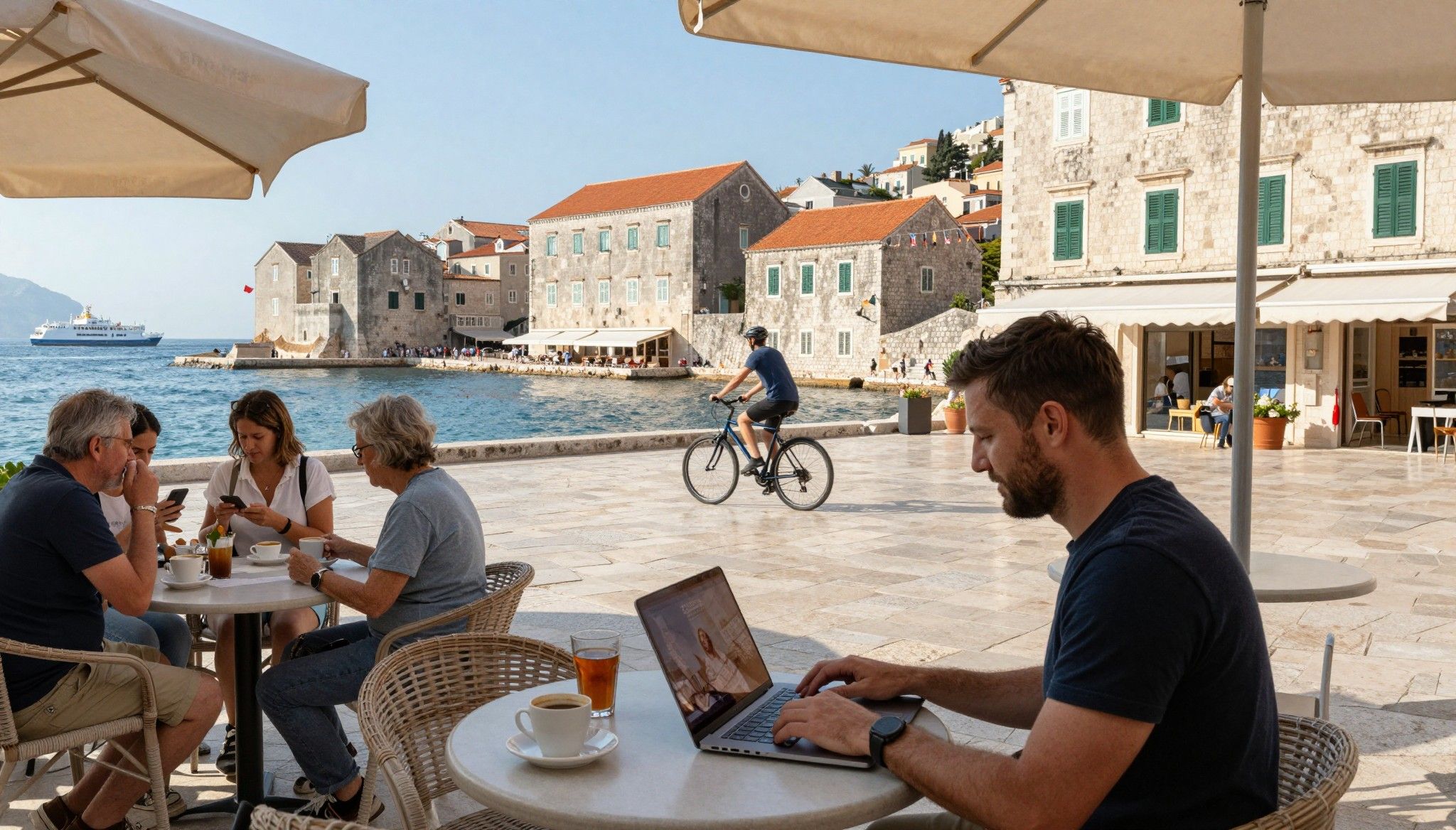
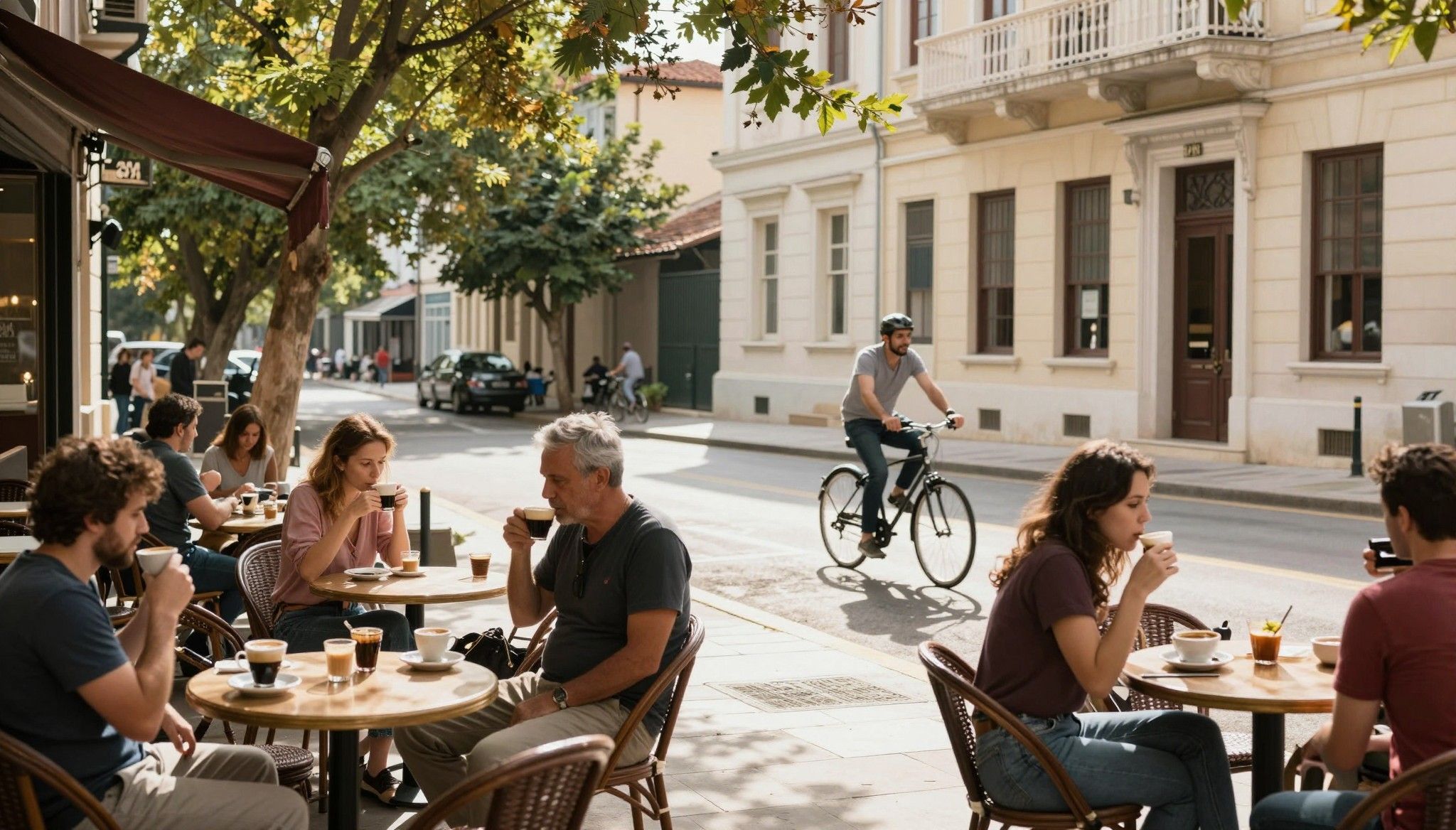
Imagine walking out of a stone‑paved café in Split at 8 a.m., laptop under your arm, espresso in hand, and deciding — right there on the terrace — to bid on a nearby apartment. Croatia feels small and warm like that: coastal mornings, lively markets, late dinners under jasmine, and neighbourhoods where locals still know your name. But romance and reality meet where offers are written and contracts signed. This guide shows how to make an offer that protects your dream life here — without losing the lifestyle that brought you.
Living the Croatian Dream
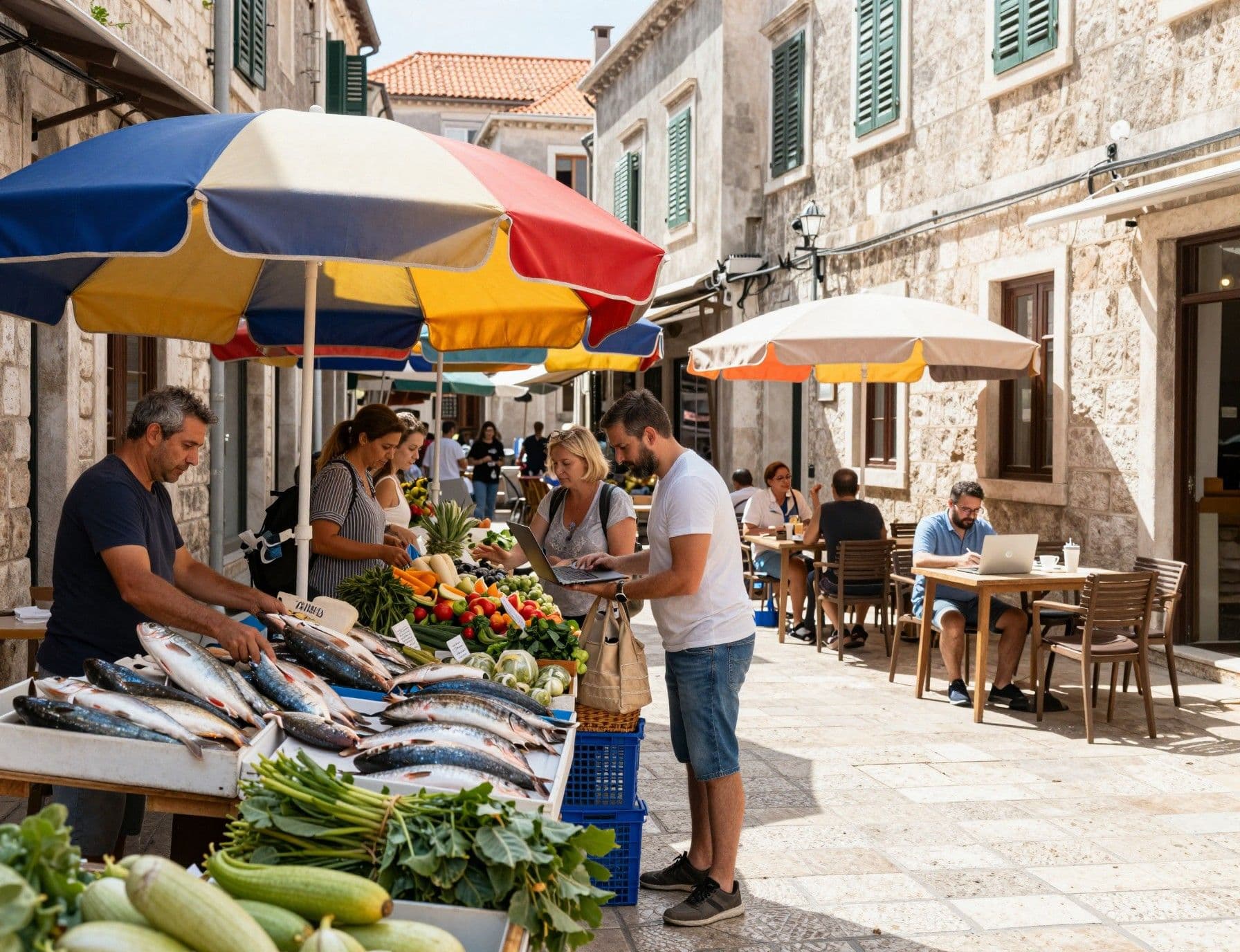
Croatia moves at two paces: slow coastal days and buzzy urban pockets. In Dubrovnik and Hvar summers hum with tourism; in Istria and continental towns like Zagreb, weekends are for markets and family taverns. For buyers, that rhythm translates into how you’ll use a property — a year‑round base in Zagreb feels different to a seaside bolt‑hole in Rovinj or an island stone house on Brač. Picture biking to an open farmers’ market in Split’s sustained morning light, or sipping raki at a tucked-away konoba as the sea cools — these are the small daily rituals that become the real ROI.
Neighborhoods that actually feel like home
Zagreb’s Tkalčićeva and Gornji Grad offer leafy streets, cafés, and coworking hides for remote work. In Split, Varoš and Meje are local, walkable and a five‑minute scooter from Diocletian’s Palace — perfect for coffee breaks between calls. Along the Adriatic, Rovinj’s old town is a poster for romance but also a tight-knit community where small shops rule. When you buy, think about morning routes: where will you walk, where will you work, and where will friends visit? Those routes shape which property types actually improve your daily life.
Food, markets and weekend rituals
Morning markets set the tempo: fish stands, olive oil sellers, and bakers still warm from the oven. Cafés become offices for nomads — and coworking hubs like The Works in Split offer reliable desks and community for remote days. Weekends are olive‑oil tastings in Istria, late‑night konoba crawls in Šibenik, and ferry trips to islands where terraces and sea breezes define life. Buy into the neighbourhood that includes these rituals; the best properties let you join, not spectate.
- Wake-up markets in Dolac, Zagreb; espresso and remote work at Split’s Riva cafés; evening konoba dinners in Trogir; island ferry runs from Split harbor; weekend bike rides in Istria; rooftop summer concerts in Zadar.
Making the Move: Practical Considerations
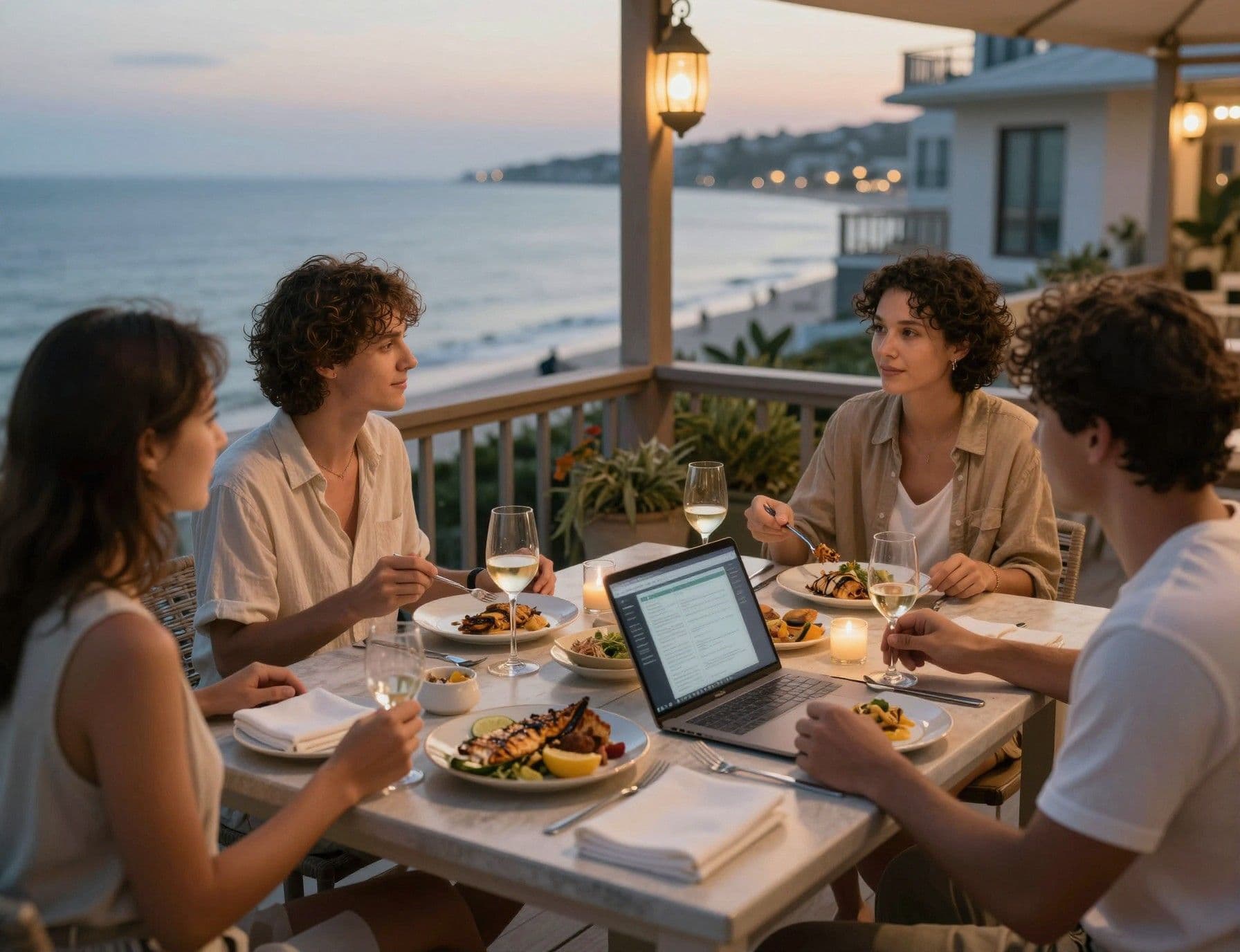
Turn the romance into a sound offer. Croatia’s market has seen strong house price growth recently, so timing and due diligence matter more than ever. Official indices show double‑digit annual growth in many coastal and city areas through 2024–2025, which means competition is real in hotspots and slower elsewhere. Before you write a cheque, know the legal landscape for foreign buyers, who can buy under largely equal terms if reciprocity rules are met, and which plots (notably some agricultural land) remain restricted. Use local sources to confirm applicability to your citizenship and the specific parcel you want.
Property styles and how they fit your life
Stone Adriatic houses with terraces are beautiful, but ask how you’ll actually live in them: is insulation enough for month‑long winters, is the internet reliable in that cove, and can a local agency handle maintenance when you’re away? Modern apartments in Zagreb give easier year‑round life, with stable utilities and fibre. New builds often promise low maintenance; old stone homes deliver character and tourist rental potential. Choose a type that supports your work rhythm (fast fibre, private workspace) and social life (terrace, local cafés, ferry access).
Working with local experts who know the lifestyle
- 1) Get a bilingual agent who knows neighbourhood rhythms and off‑market listings. 2) Hire a lawyer to confirm land registry, permits and any reciprocity requirements. 3) Use a notary for contract closing and consider an escrow arrangement when possible. 4) Inspect seasonal factors — parking, water access, and storm exposure — that affect living comfort and resale.
Insider Knowledge: What Expats Wish They'd Known
Expat buyers often underestimate three things: seasonal service gaps, community rhythms, and hidden costs. In summer hotspots you’ll love the buzz — and then discover higher utility and cleaning costs, tourist wear on streets, and seasonal noise. In less touristy inland towns you gain year‑round community but sometimes lose quick‑connect flights and coworking density. A practical local agent helps balance lifestyle tradeoffs against market signals so you buy a home that feels lived‑in, not like a postcard.
Cultural integration and daily life
Croatians value face‑to‑face relationships, local rituals and community ties. Learn a few phrases, show up at market stalls, and neighbours will become your support network faster than online groups alone. Digital nomads find meetups in Split and Zagreb through coworking spaces and Facebook groups; having local friends eases everything from repairs to invite‑only gatherings. Expect the pace to be warmer and more relationship driven than purely transactional.
Long-term lifestyle and property realities
- Plan for: reliable internet (fibre where possible), heating for shoulder seasons, property management if you rent or travel, reciprocity checks for land, and clarity on tourist‑season noise. These small details turn a beautiful buy into a sustainable life.
If Croatia’s light, markets, and coastline have captured you, take a breath and then move deliberately. Start by shortlisting neighbourhoods (visit in a shoulder season), hire a local bilingual agent, confirm legal reciprocity for your nationality, and structure your offer around realistic closing timelines and an independent inspection. With the right local team you’ll close on a place that’s not just a property, but a front row seat to everyday Croatian life.
MoveSettleGoDutch investment strategist guiding buyers to Greece and Spain; practical financing, tax, and portfolio diversification.
Related Articles
More insights that might interest you
 Villa Curated
 Villa Curated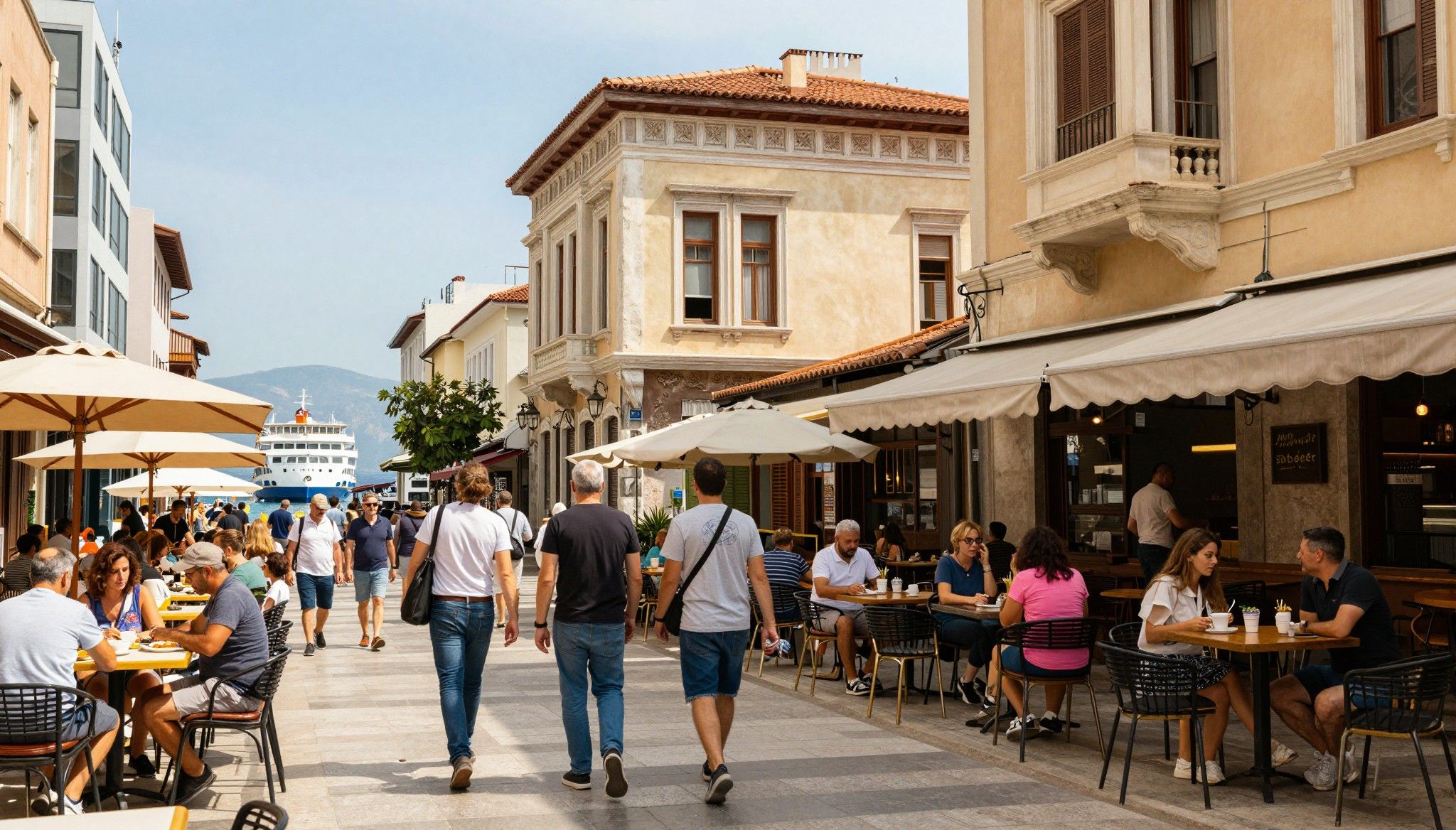
 The Yieldist

