When Croatia’s ‘Cheap Coast’ Helps Your Mortgage
Croatia’s charm can mislead buyers—regional financing rules, reciprocity and lender tests matter. Pair lifestyle choices with pre‑approval, local legal checks and realistic cash‑flow models.
 Villa Curated
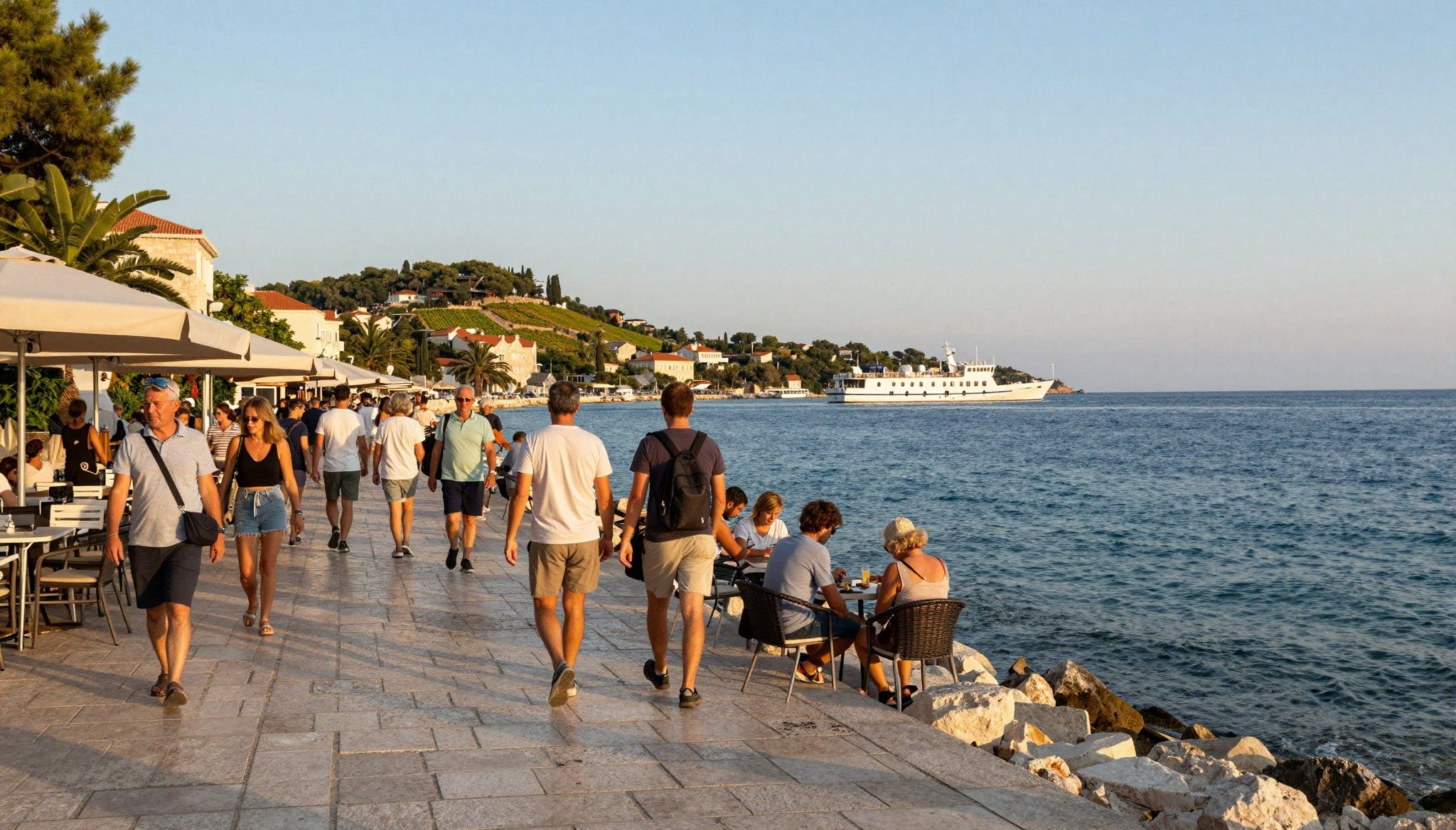
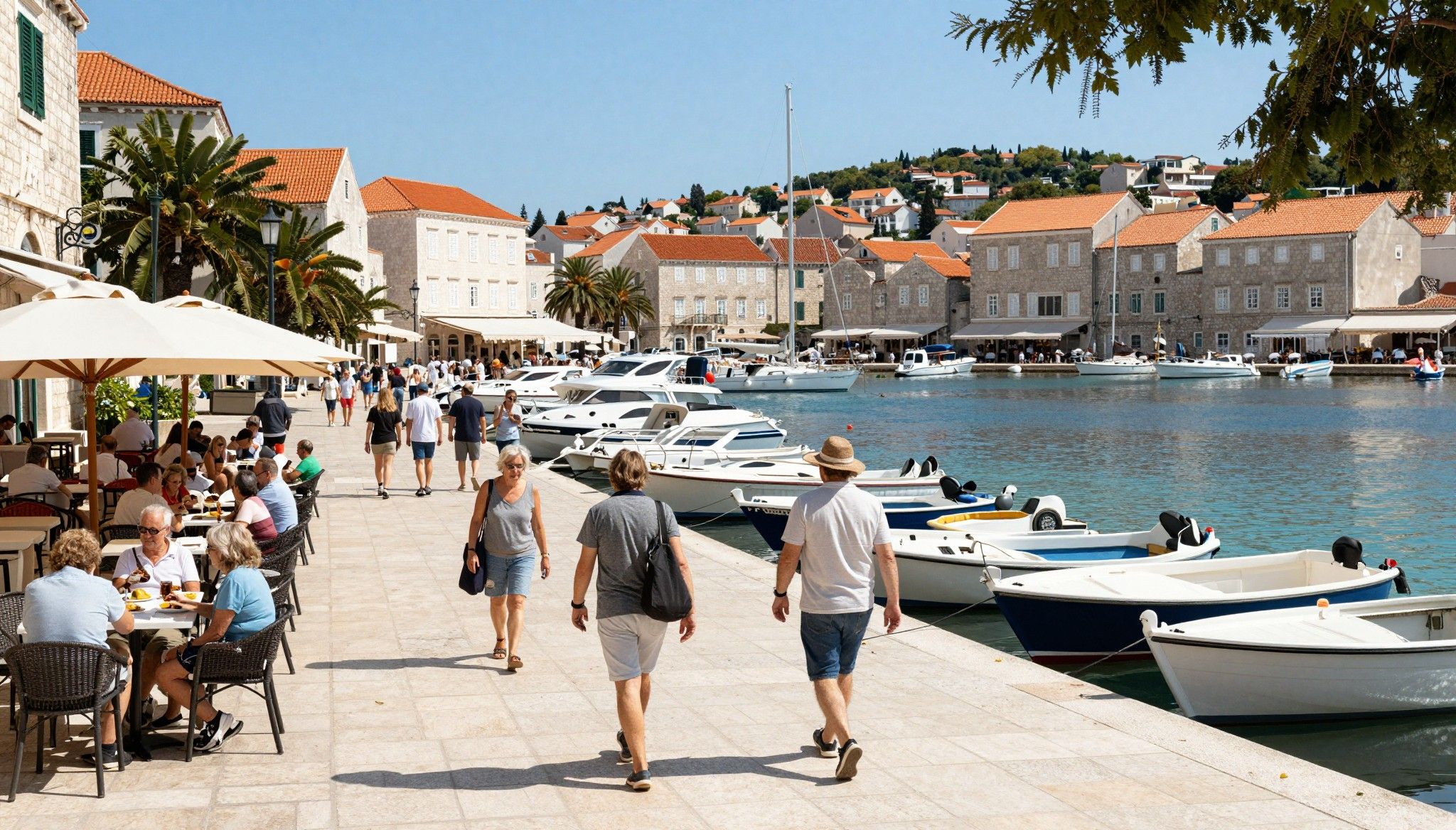
Imagine waking to the smell of fresh bread at Dolac market in Zagreb, then catching a late‑afternoon ferry from Split to a pebble cove where olive groves slope to the sea. Croatia keeps its old‑world rhythms—long coffees, coastal light, markets that close on time—yet beneath the limestone façades a modern property market hums with new rules, rising prices and lender conditions that will decide whether that seaside terrace becomes yours. Recent house price data show steady increases, but they also mask regional financing advantages that perceptive buyers can use to their benefit.
Living Croatia: the day‑to‑day that shapes where you buy
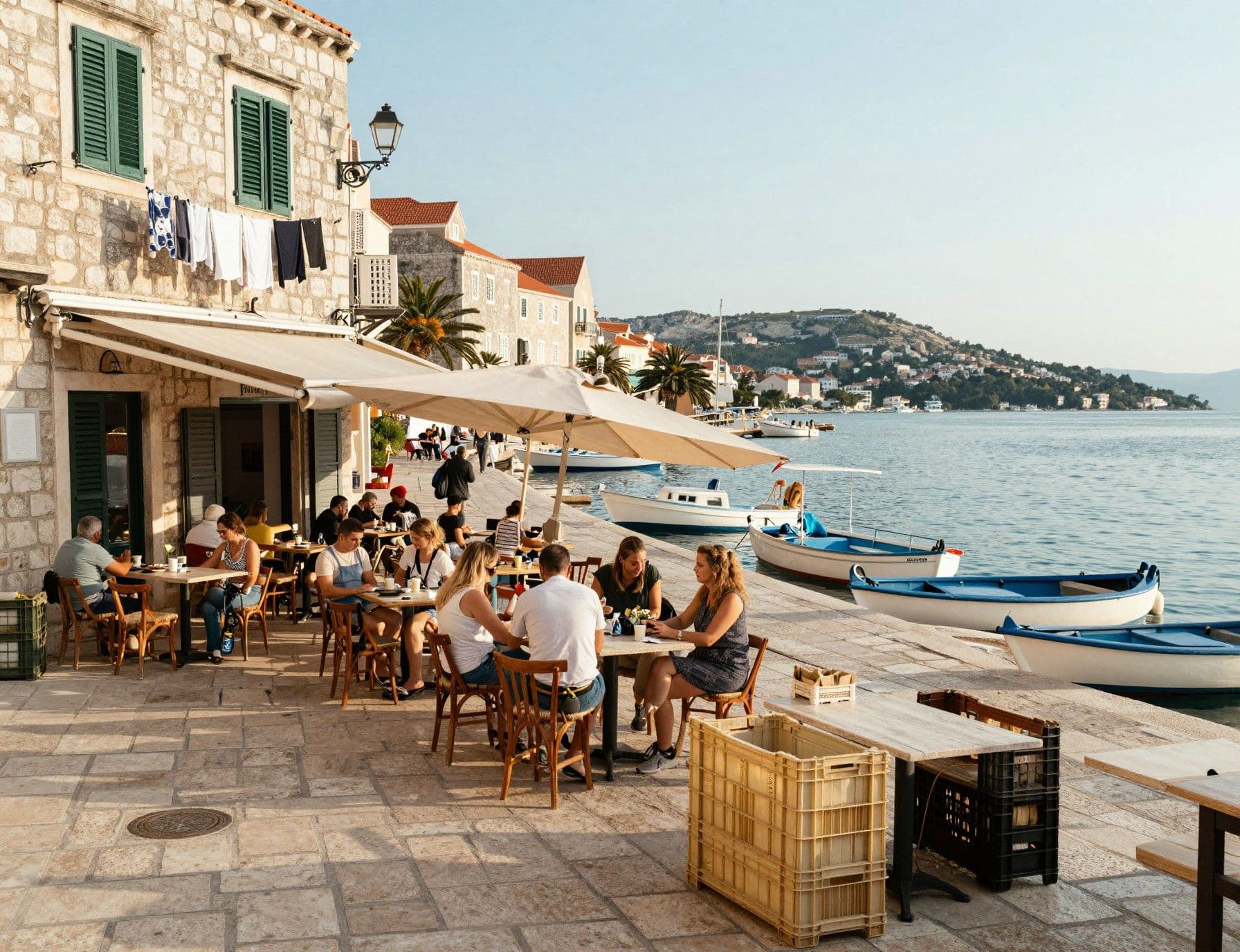
Life here is a composition of small certainties: early market runs in Rijeka, espresso by the Riva in Split, dinners that finish as the moon lifts off the Adriatic. These daily rhythms determine practical priorities—proximity to harbour life for sailors, ground‑floor access for market lovers, and well‑insulated interiors for quieter continental winters inland. Understanding those rhythms will inform the property type and financing structure you seek, and whether to pursue a shorter variable loan or a longer fixed mortgage tied to Eurozone rates.
Zagreb, Dalmatian coast, Istria: three very different lives
Zagreb offers leafy streets, co‑working cafés and a calendar of cultural institutions—ideal for buyers wanting year‑round life and conventional mortgage products from domestic banks. Istria trades on truffles, hilltop towns and villas with vineyards; here, lending is conservative but relationships with local banks and developers can secure preferential terms. On the Dalmatian coast, seasonal rental potential elevates yields but also complicates loan servicing during quieter months; lenders will test projected rental income and your contingency cash.
Lifestyle cues that alter financing needs
Short ferry commutes vs. daily driving, listed stone façades requiring specialist restoration, or an island property dependent on seasonal income—all change loan terms, insurer appetite and the valuation your bank will accept.
Making the move: finance realities you’ll meet in Croatia
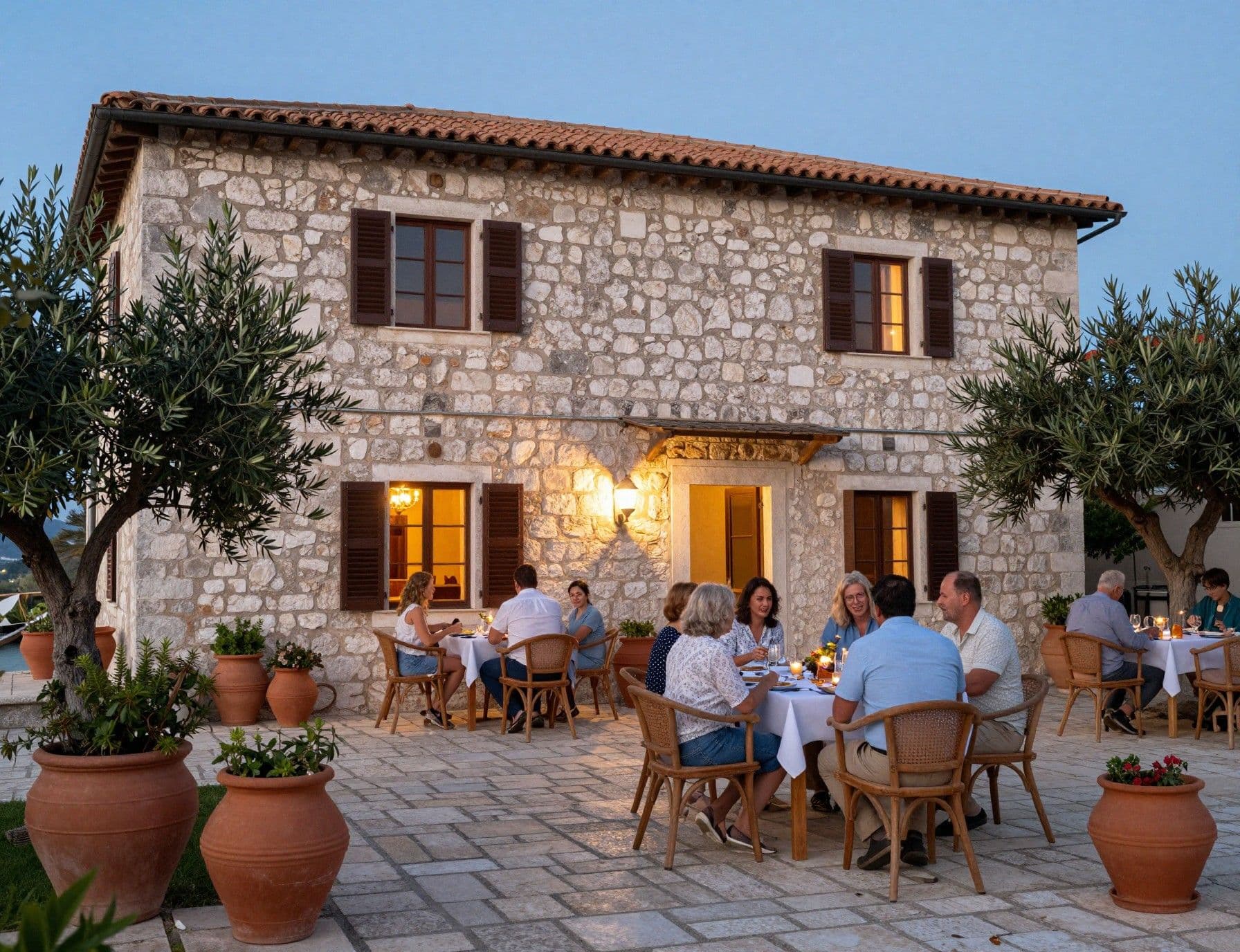
The romance of a Dalmatian terrace can distract from legal steps that affect lending. Croatia allows foreign ownership subject to reciprocity rules and, for non‑EU nationals, ministerial consent in many cases. Buying a home will not automatically grant residency, so lenders evaluate risk with that in mind. Before you submit an offer, confirm whether your nationality meets reciprocity, how the title will be held, and whether your intended use (primary residence, seasonal let, long‑term rental) changes the bank’s lending parameters.
Property types and how banks view them
Banks distinguish new construction in planned developments from restored stone houses. New builds with energy certificates and clear permits attract standard loan‑to‑value ratios; heritage restorations may require higher down payments and specialist valuations. Recent central bank guidance tightened loan ratios and affordability tests, so expect lower LTVs and more rigorous income verification than in past years.
Steps to a finance‑ready offer
1. Confirm nationality/reciprocity and whether ministerial consent is required; 2. Obtain a local valuation and pre‑approval from a Croatian bank or EU bank active locally; 3. Factor in transfer taxes, notary fees and insurance; 4. Build a 20–35% deposit buffer for restorations or lender risk margins.
Insider knowledge: what expats wish they’d known
Expats often discover the most important variable isn’t price per square metre but predictability of costs. A coastal village with lower purchase price may demand expensive infrastructural upgrades, higher insurance for sea exposure, or seasonal maintenance that erodes returns. Conversely, inland towns with stable year‑round communities can offer steadier financing terms and more predictable living costs. Recent analyses show nationwide price growth; your lender will want evidence the local micro‑market supports your plan.
Cultural realities that affect financing and ownership
Language, contract practice and local customs matter. Notaries and attorneys play a larger role in Croatia than in some markets; they will translate and certify documentation, assist with registry checks and shepherd ministerial consent if needed. Familiarity with these norms reduces friction with banks and speeds loan completion. Joining local expat groups or speaking with owners on streets such as Split’s Marmontova or Dubrovnik’s Ploče will reveal how residents handle seasonal rentals, utilities and maintenance.
Common red flags local buyers flag
• Unclear land status or overlapping rights; • Properties without valid occupancy permits; • Valuations that ignore seasonal rental volatility; • Sellers pushing rental‑yield forecasts without verifiable bookings; • Coastal plots with rising insurance premiums due to exposure.
If a bank requires extra cash reserves for seasonal properties, that is not an attempt to block you but a reflection of real cash‑flow risk. Treat those asks as an opportunity to reframe your purchase—lower LTV in exchange for more attractive rates is often possible if you accept a slightly higher deposit.
How local agencies become lifestyle translators
An agency that knows the local rhythm will: 1) present properties with complete permit histories; 2) connect you to appraisers who understand island markets; 3) introduce trusted lawyers for reciprocity and consent; 4) help model seasonal cash flow for lenders.
Working with specialists reduces surprises. Insist on an attorney familiar with foreign acquisitions, a valuer experienced in coastal restorations and an agent who can show recent comparable transactions rather than aspirational asking prices.
By reconciling the life you want—market mornings, island summers, village neighbours—with realistic financing, you protect both the dream and its long‑term stewardship. Start with reciprocity checks, then secure pre‑approval and commission local experts to stress‑test the numbers.
Ready to take the next step? Have a Croatian attorney check reciprocity for your nationality, ask two banks for pre‑approval (one domestic, one EU), and request a restoration estimate if you are buying an older stone property. These three actions alone will transform romance into a replicable plan.
Conclusion: Croatia rewards buyers who pair feeling with due diligence. The Adriatic offers mornings of market‑fresh produce and evenings of quiet sea light; the banks reward clarity and realistic cash‑flow planning. With the right local team, your terrace is not an aspiration but a responsibly financed future.
Villa CuratedNorwegian with years in Florence guiding clients across borders. I bridge Oslo and Tuscany, focusing on legal navigation, cultural context, and enduring craftsmanship.
Related Articles
More insights that might interest you
 Villa Curated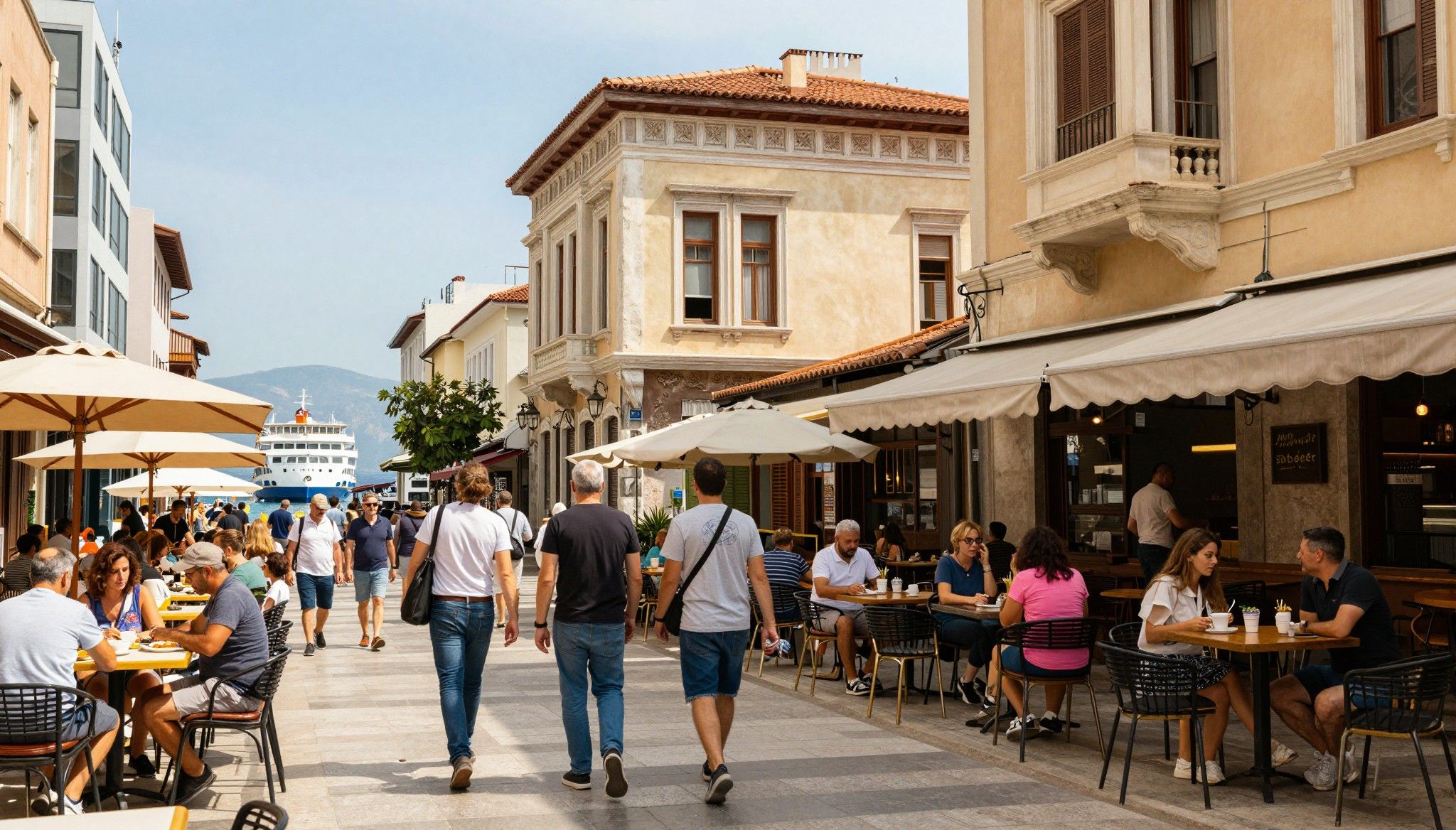
 The Yieldist
 The Yieldist


