Croatia: Lifestyle Hotspots vs. Yield Realities
Coastal price gains outpaced transactions in 2024–2025; match Croatian lifestyle hotspots to yield targets and build a local team before buying.
 The Yieldist
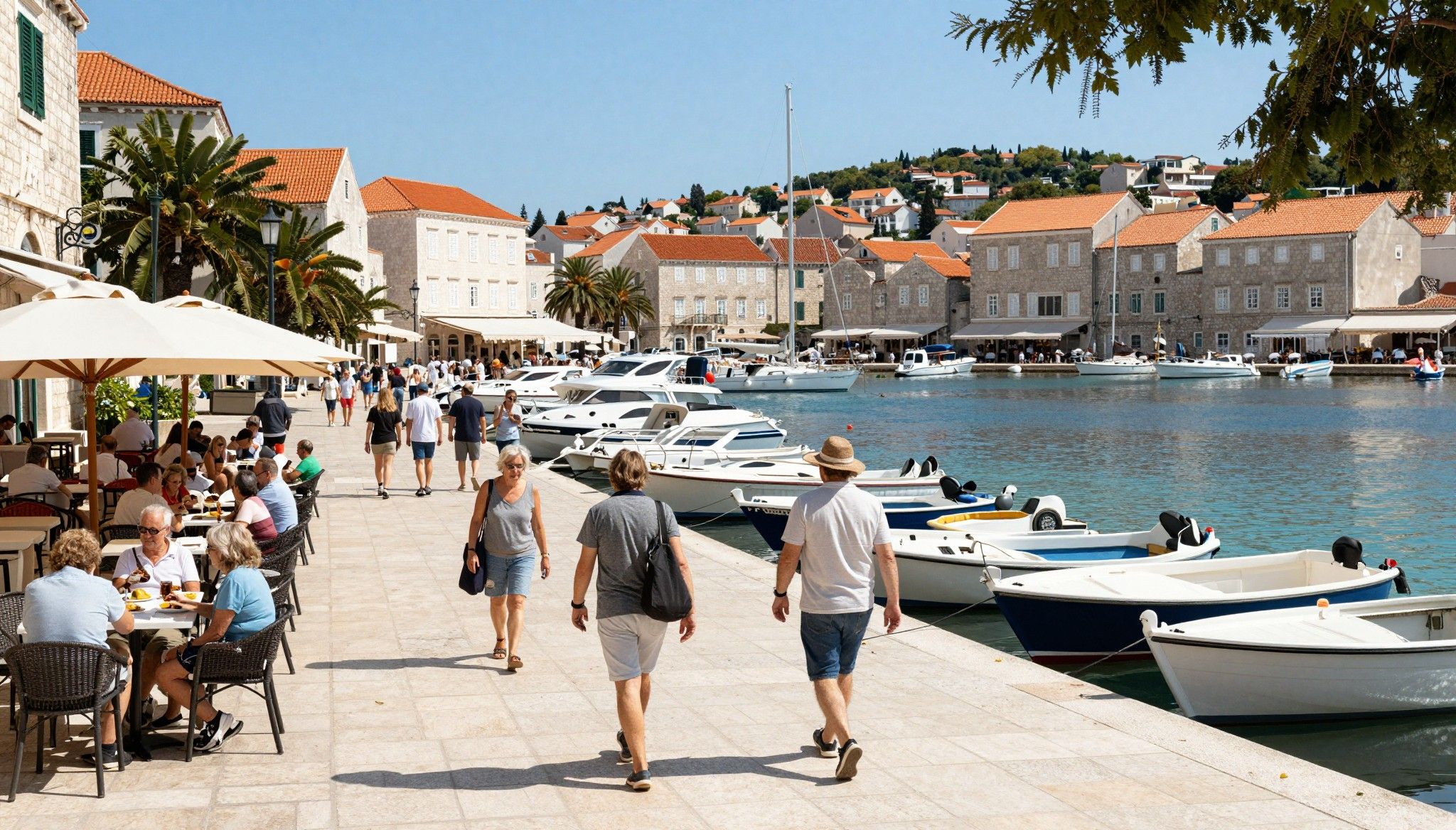
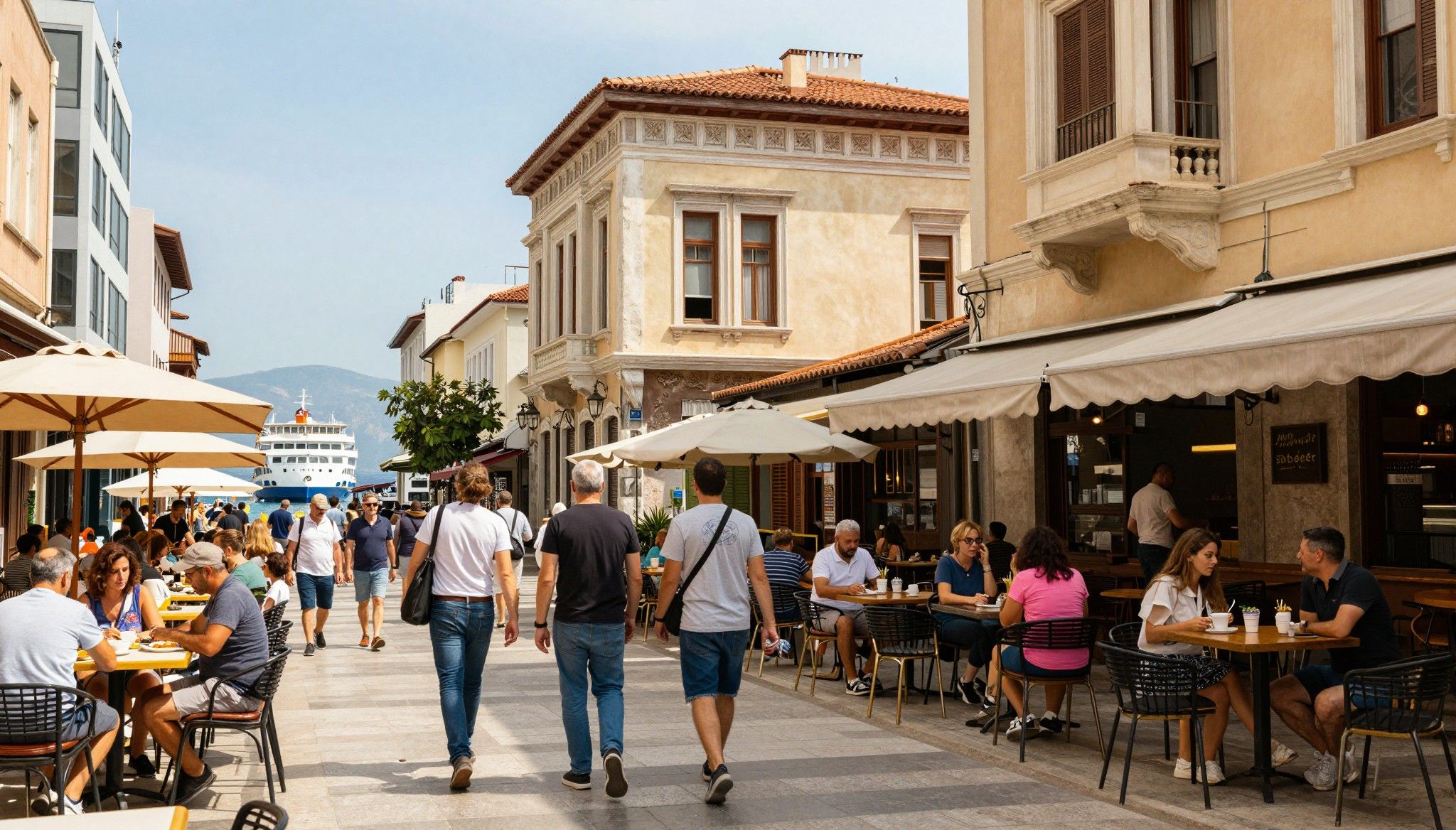
Imagine sipping espresso on Split’s Riva while a ferry horn marks the afternoon — then, the spreadsheet. Croatia’s Adriatic rhythm seduces buyers; the numbers make them cautious. Recent market analysis shows rapid coastal price gains that have outpaced transactions, creating a split between lifestyle appeal and investable yield. This guide pairs the warmth of Croatian life with the cold light of returns so you can fall in love without losing the plot.
Living the Croatia lifestyle
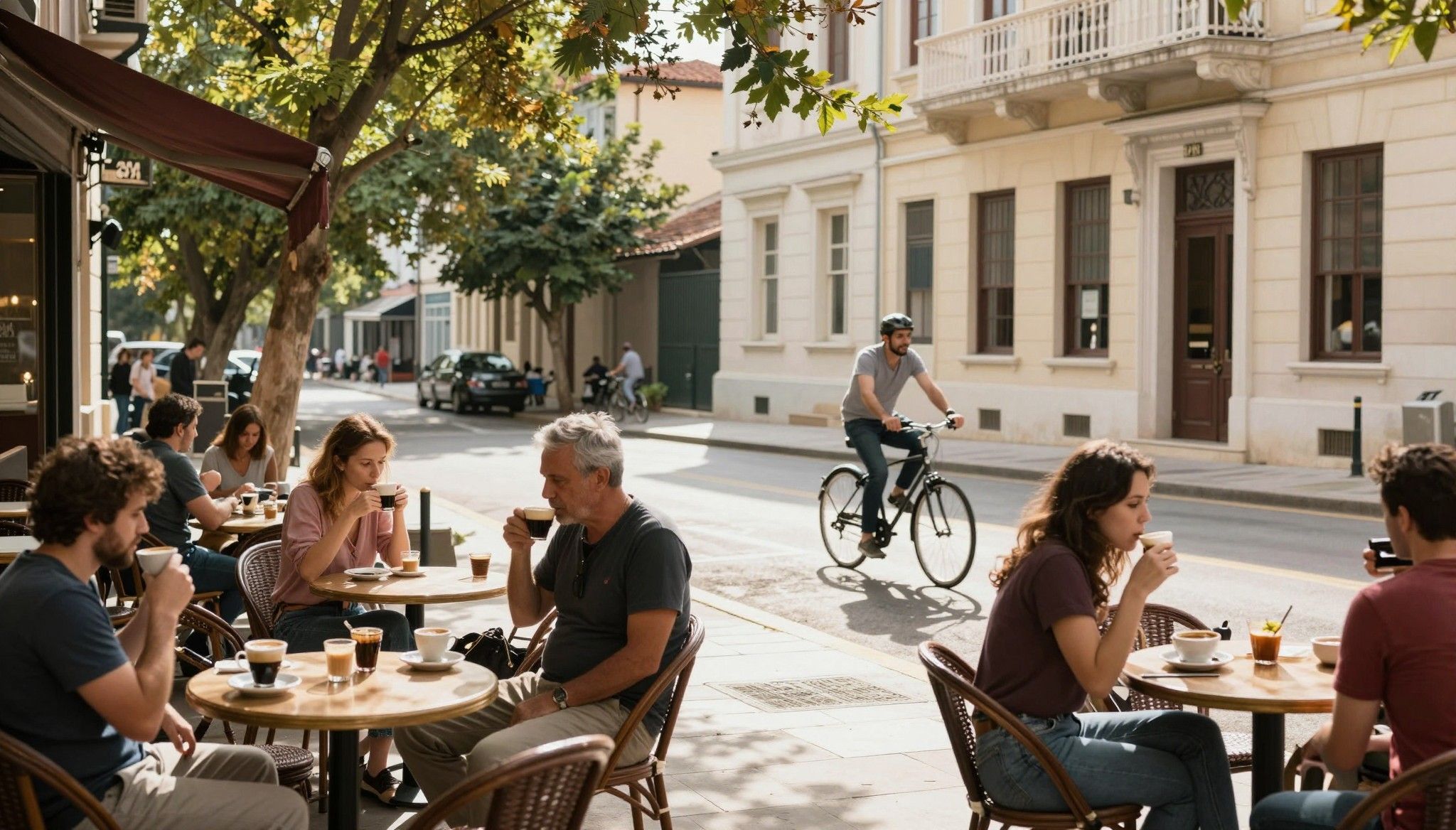
Coastal mornings are an everyday luxury: pebble beaches, outdoor markets, and late dinners that stretch into warm nights. Cities like Split, Dubrovnik and Zadar offer a mix of UNESCO‑listed old towns and café culture; Zagreb supplies the urban amenities and year‑round rental baseline. But don’t confuse charm with uniform value — asking prices on the coast rose markedly in 2025, concentrating capital growth where lifestyle demand is highest.
Neighborhood spotlight: Split’s Old Port and Veli Varoš
Picture winding limestone alleys, local konobas (family taverns) and terraces that look onto fishing boats. In Split, neighbourhoods such as Veli Varoš and the Old Port combine short‑stay tourist demand with resident communities — strong seasonality but persistent summer yields. Dubrovnik’s premium pricing concentrates capital appreciation; buyers should expect lower gross yields but significant long‑term scarcity value in fortified old‑town properties.
Food, markets and weekly rhythms
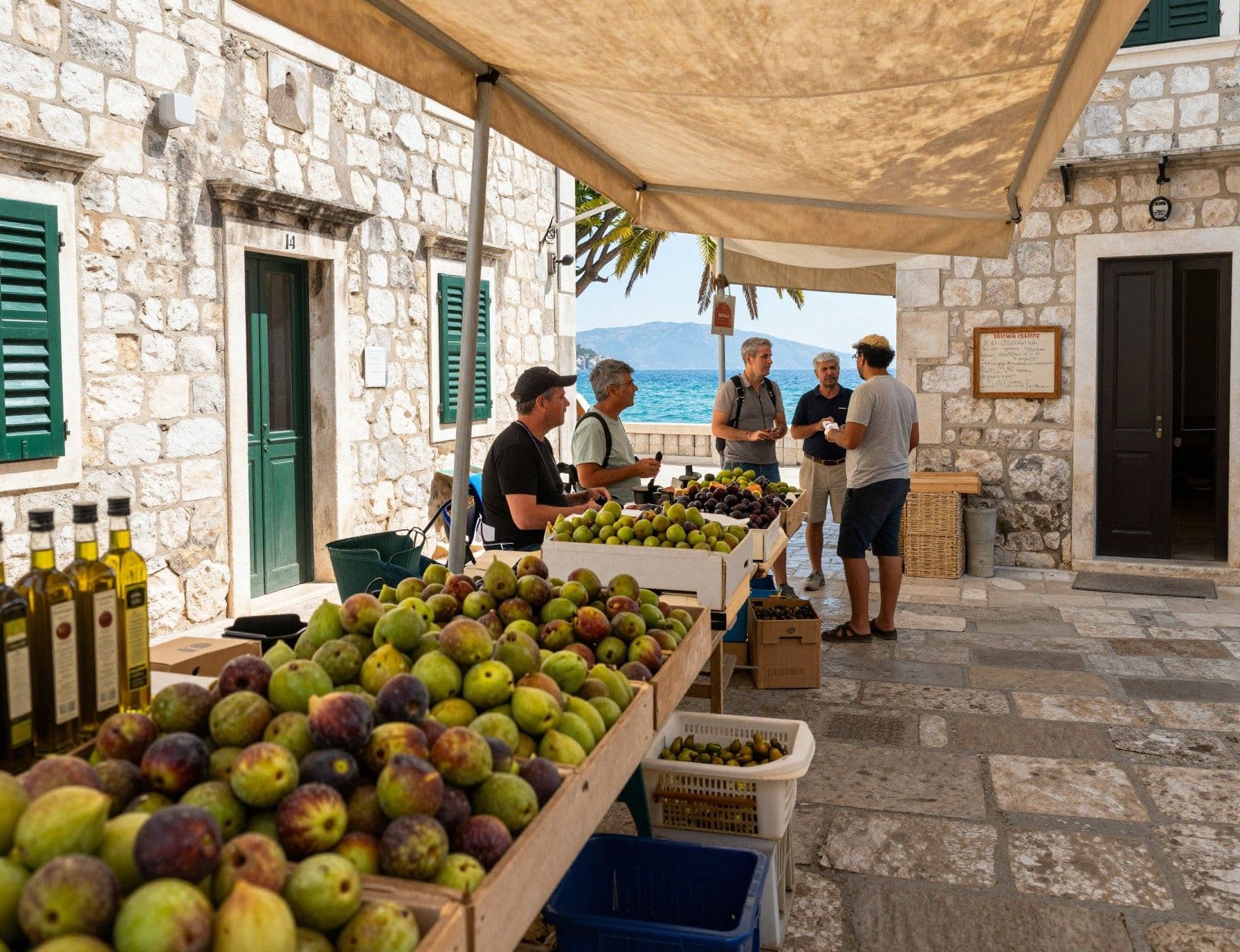
Saturdays are for farmers’ markets: fresh figs, prsut (air‑dried ham), olive oil and conversation. Coastal towns pulse in summer with festivals and yachting visitors; inland towns offer quieter year‑round life. For property choices, that means terraces and outdoor kitchens sell lifestyle — but rental viability depends on proximity to transport and the seasonality profile of that market.
- Market‑defining lifestyle highlights: Split Riva promenade; Hvar’s harbor cafés; Zagreb’s Dolac market; Zadar’s Sea Organ; Brac’s Zlatni Rat beach; local konobas in Vis.
Making the move: practical considerations
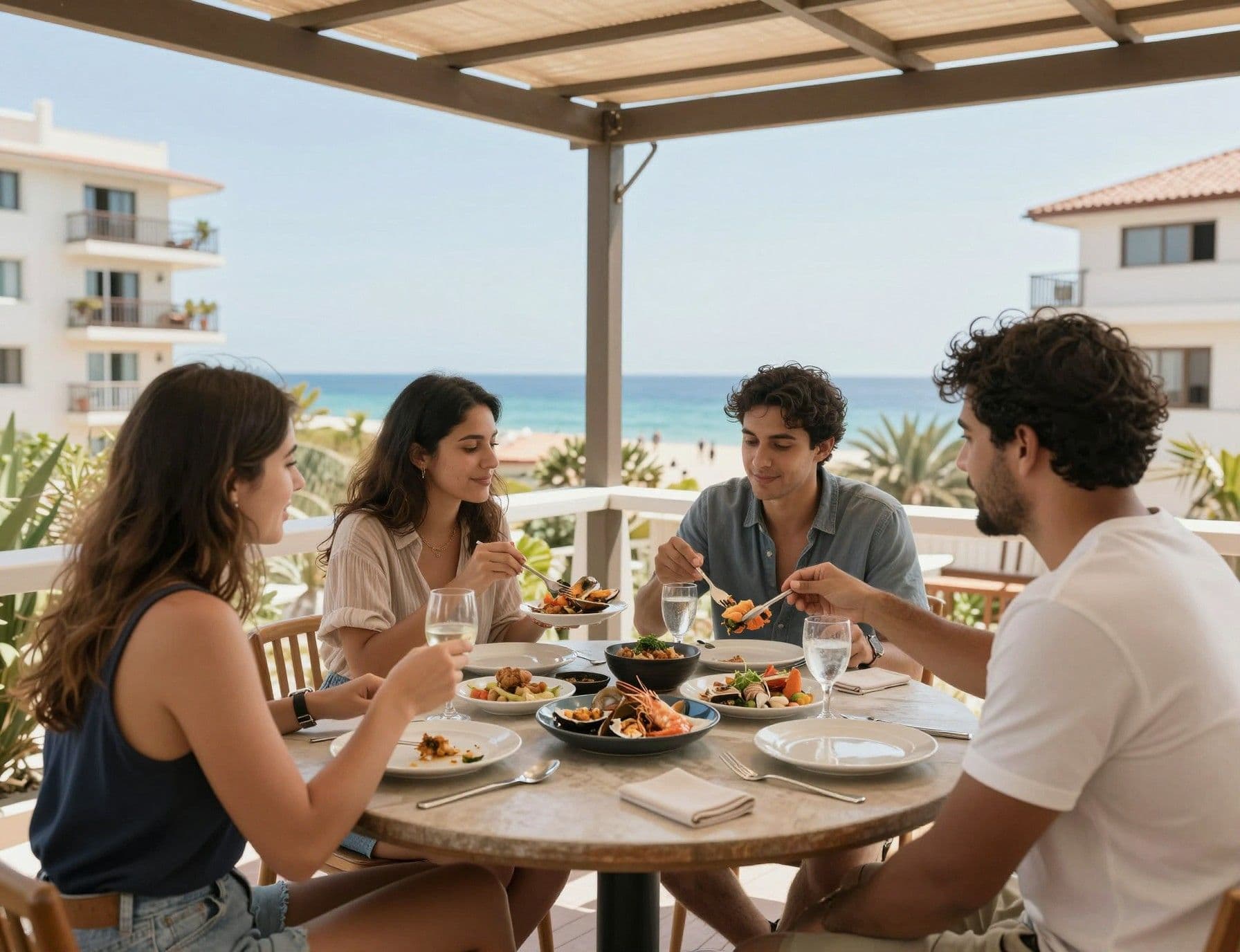
Romance meets reality at the signing table. Prices climbed through 2024–2025 — official indices show consistent quarter‑on‑quarter increases — while transaction volumes fell, signalling liquidity tightening. That dynamic raises three investor questions: will you prioritise capital gains (coastal scarcity), rental yield (urban long‑let demand), or a blended total return? Each choice points to different neighbourhoods and due diligence priorities.
Property styles and what they mean for life (and yield)
Historic stone apartments in old towns command premium per‑m2 but carry renovation and preservation constraints; new builds near Zagreb or Split’s outskirts offer modern systems and steadier rental months. For short‑stay strategies, investable features are outdoor space, sea views and low maintenance; for long‑lets, proximity to transport, schools and supermarkets matters more. Match the physical asset to the tenancy profile you expect.
Working with local experts who know both life and law
- 1. Hire a Croatian notary and an English‑speaking lawyer early — they flag title encumbrances and zoning nuances. 2. Use local agencies experienced in your preferred market (coast vs inland) for off‑market access. 3. Budget for realistic management: coastal rentals often require 8–12% management fees and seasonal vacancy assumptions. 4. Insist on an energy certificate and recent inspection report — historic buildings often need HVAC and structural upgrades.
Insider knowledge: what expats wish they'd known
The common surprises: seasonality is deeper than pictures suggest, running costs rise in winter for seaside homes, and rapid coastal price growth has created negotiation margins that favour patient buyers. Many expats underestimate paperwork lead times and local holiday schedules that slow service delivery. Practically, prepare for a longer transaction timeline and for earnest negotiation rather than instant acceptance.
Cultural integration and daily life realities
Croats value personal relationships and small‑business networks; learning basic phrases and frequenting local markets accelerates trust. Expect slow‑paced bureaucracy but warm neighbourly networks. For investors, community integration reduces tenant turnover: regular patronage of local cafés and employing local services pays off in smoother property management.
Conclusion: fall in love with the place, buy with the numbers. Croatia offers a living experience few countries match — from island summers to city winter life — but capital preservation and rental returns require matching neighbourhood micro‑cycles to strategy. Start with clear return targets (net yield, expected appreciation), verify seasonality with local agents, and build a local team before making offers. The lifestyle is for keeps; the investment should be defensible.
The YieldistDanish relocation specialist who moved to Cyprus in 2018, helping Nordic clients diversify with rental yields and residency considerations.
Related Articles
More insights that might interest you
 Villa Curated
 Villa Curated
 The Yieldist


