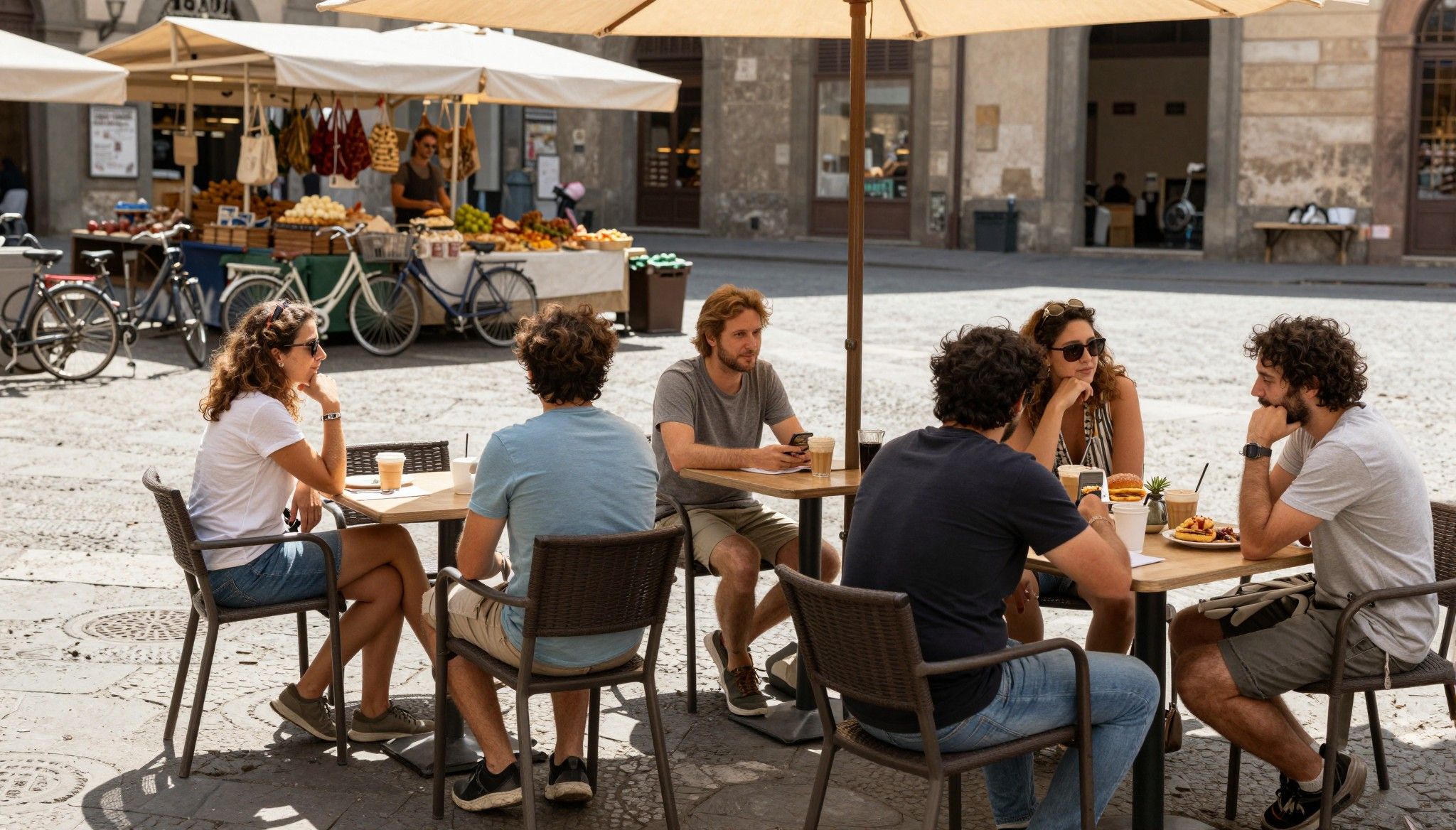
When Italian Summer Hides the Smartest Buys
Summer crowds hide realistic bargains: match neighbourhood rhythms to market data (ISTAT, Immobiliare.it) and buy where locals live, not where tourists flock.
 Blueprintera
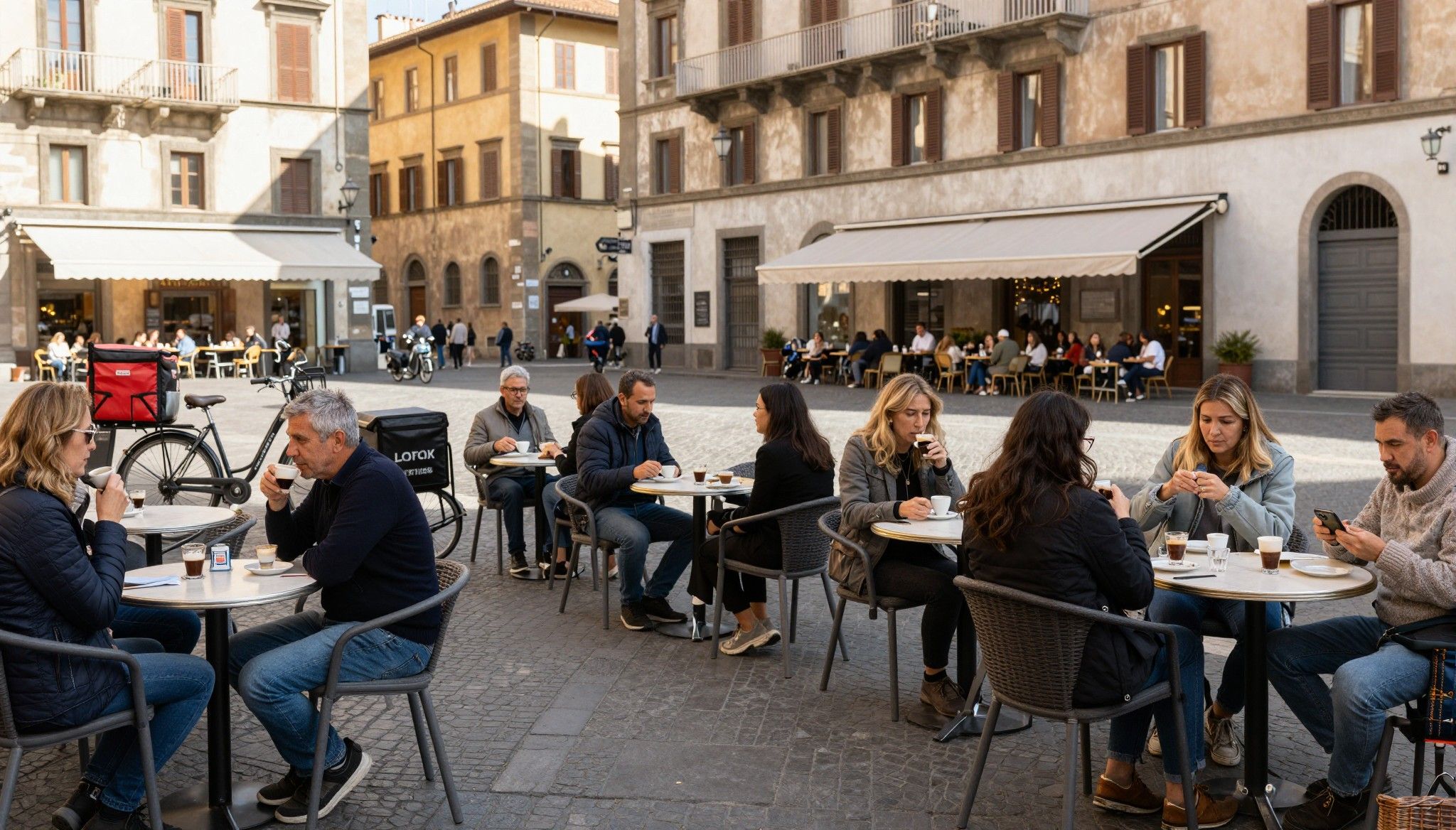
Imagine sipping a morning espresso on Via dei Coronari in Rome, then swapping the mid‑day bustle for an afternoon passeggiata along a Ligurian seaside promenade. Italy folds centuries of street life into everyday routines — cathedral bells, neighbourhood markets, café chairs pulled close to gossip — and for many international buyers that rhythm is the point.
Living the Italy lifestyle: more than a postcard
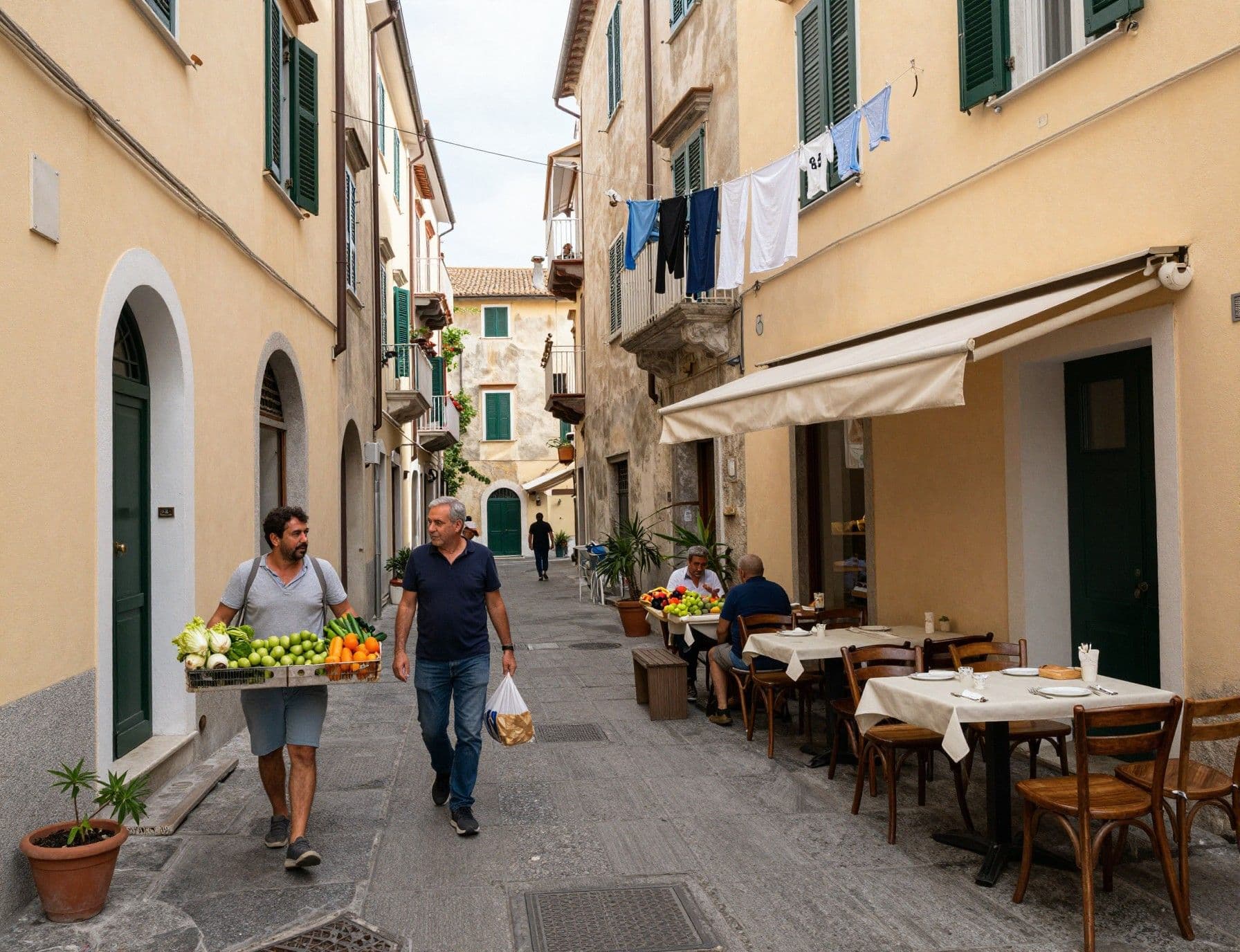
Italy’s daily life varies wildly by region. In historic centres like Florence and Bologna you’ll wake to market calls and the scent of fresh focaccia; along the Amalfi Coast and Liguria the day is organised around outdoor dining, water access and a slower pace; in Milan life tilts toward design, afternoon aperitivo and efficient public transport. The sensory map — food, sound, light — shapes where you’ll want to live, not only where prices look attractive.
A neighbourhood trio to know
Pick three contrasting places and you see Italy’s range: Trastevere (Rome) for late‑night trattorie and narrow stone lanes; Oltrepò Pavese for vineyard solitude and value within an hour of Milan; Santa Margherita Ligure for compact coastal town life with reliable ferry links. Each delivers a distinct daily rhythm and different property types — medieval flats, rustic farmhouses, compact seaside apartments.
Food, markets and seasonal life
Markets are social infrastructure: Mercato Centrale in Florence, the fish market at Rialto in Venice, Palermo’s Ballarò. Seasonal cycles — truffle season in Piedmont, citrus blossom in Sicily — reshape neighbourhood life and short‑term rental demand. Understanding annual rhythms helps you choose a property that matches how you’ll actually use it across a year, not just during two weeks of summer.
- Lifestyle highlights: mornings at local markets, afternoon passeggiata, seasonal festivals (e.g., Palio di Siena), beach towns with year‑round communities, wine routes in Tuscany and Piedmont.
Making the move: practical considerations that preserve lifestyle
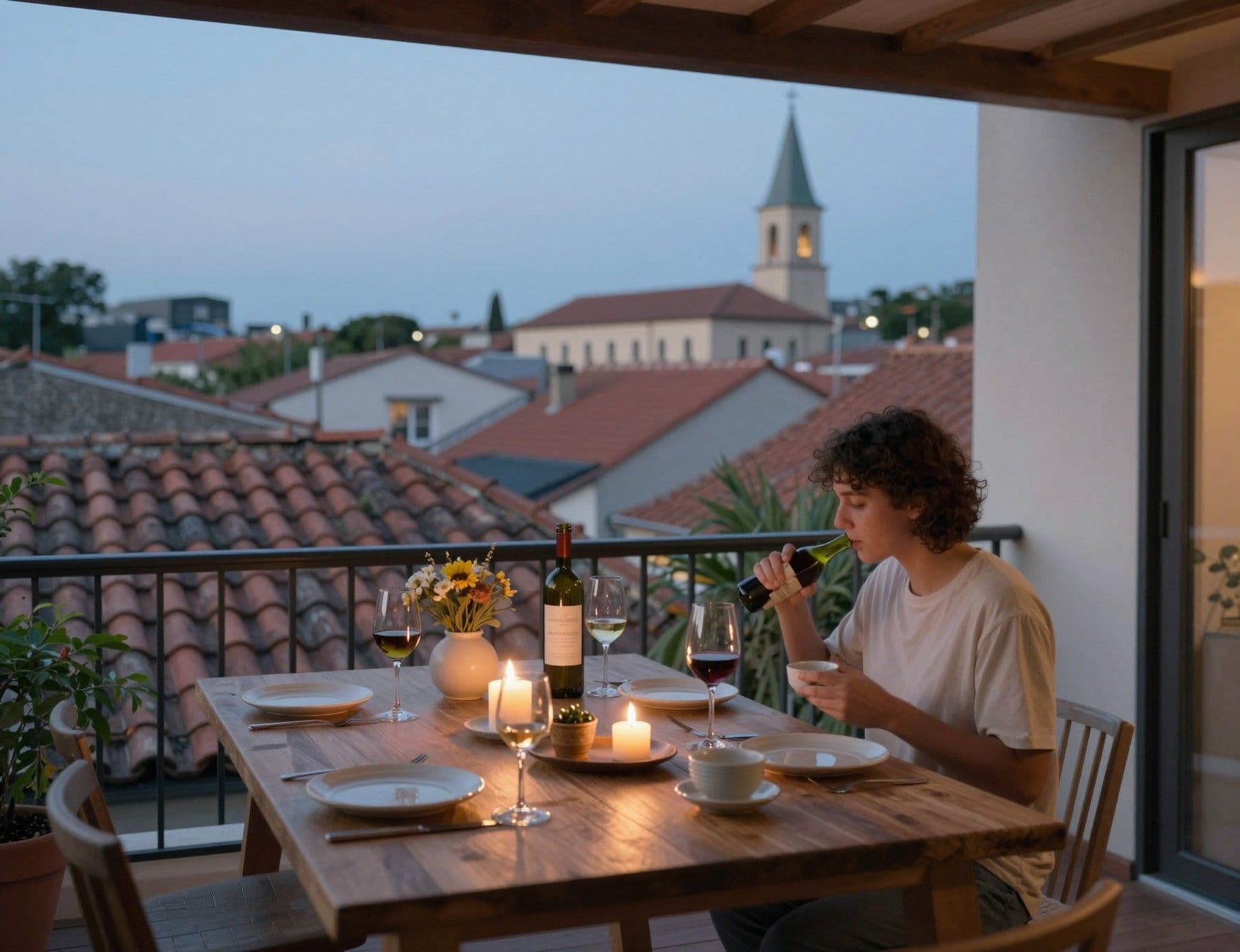
Turning that imagined life into an address requires practical choices. Italy legally welcomes foreign buyers (reciprocity rules apply for some nationalities), the notary finalises title transfers, and different regions favour different property types. That’s why lifestyle and transaction decisions must move in tandem: choose neighbourhood first, then the contract structure that protects your use and resale options.
Property styles and what they mean for living
From compact historic apartments (low maintenance, central access) to rural agriturismi (space, land, renovation work), each style dictates the lifestyle tradeoffs: upkeep, heating needs in winter, accessibility in shoulder seasons. Recent market indices show renewed price stability in 2025–2026, which matters if you plan short‑term rentals during festivals or long‑term living year‑round.
Local experts: agencies, notaries and architects
- 1. Retain an agent who specialises in your target neighbourhood — they know which streets keep value and which are tourist traps. 2. Engage a notary early to surface cadastral and title issues; this avoids late surprises. 3. Hire a local architect before bidding on older homes: renovation cost estimates materially change offer strategy. 4. Use an agent that provides verified comparables and rental‑demand reports for the immediate area.
Insider knowledge: the things expats wish they'd known
Two surprises often surface after moving: (1) Italy’s broad price dispersion — a coastal town thirty minutes from a popular hub can be materially cheaper — and (2) seasonality affects both life and liquidity. National indices (ISTAT) show modest growth in house prices in recent quarters while platforms such as Idealista document renewed interest from international buyers in 2025–2026. Use local data, not national headlines, to set expectations.
Cultural integration and daily rhythm
Language matters for everyday life: shopkeepers, municipal offices and utility contracts operate in Italian. Joining a language class, volunteering with local associations or frequenting the same café builds quick social capital. Expect slow administrative timelines — permits and registrations can take weeks — and plan for that in your moving timetable.
Long‑term lifestyle and investment sustainability
Consider how your life will change in five to ten years: will you want a second bedroom for visiting family, easier public transport, or lower maintenance? Regions with diversified local economies (university towns, provincial capitals) often provide steadier rental markets than seasonal resorts. Balance dream‑location with structural demand if you care about resale or rental income.
- Red flags and quick checks: unclear cadastral records, disproportionately high community fees, properties without approved holiday rental registration in hot markets, terraces with unregistered expansions, and neighbourhoods that are all short‑lets and empty off‑season.
Conclusion: Italy is sensory, seasonal and surprisingly local — buy for the rhythm you want, not the headline price. Start with neighbourhood reconnaissance, verify local data (ISTAT and reliable portals), and work with agents, notaries and architects who can translate street‑level life into a resilient property choice. When you match rhythm to bricks, Italy stops being a postcard and becomes your everyday.
BlueprinteraDanish relocation specialist who has lived in Barcelona since 2016. Helps families move abroad with onboarding, schooling, and local services.
Related Articles
More insights that might interest you
 Villa Curated
 The Yieldist
 The Yieldist

