Greece: Season, Street Life and the Real Property Trade
Greece offers Mediterranean daily life and varied investment profiles; recent 2024–25 data show rising prices and policy shifts—visit in shoulder season and pair lifestyle vision with up‑to‑date legal advice.
 Blueprintera
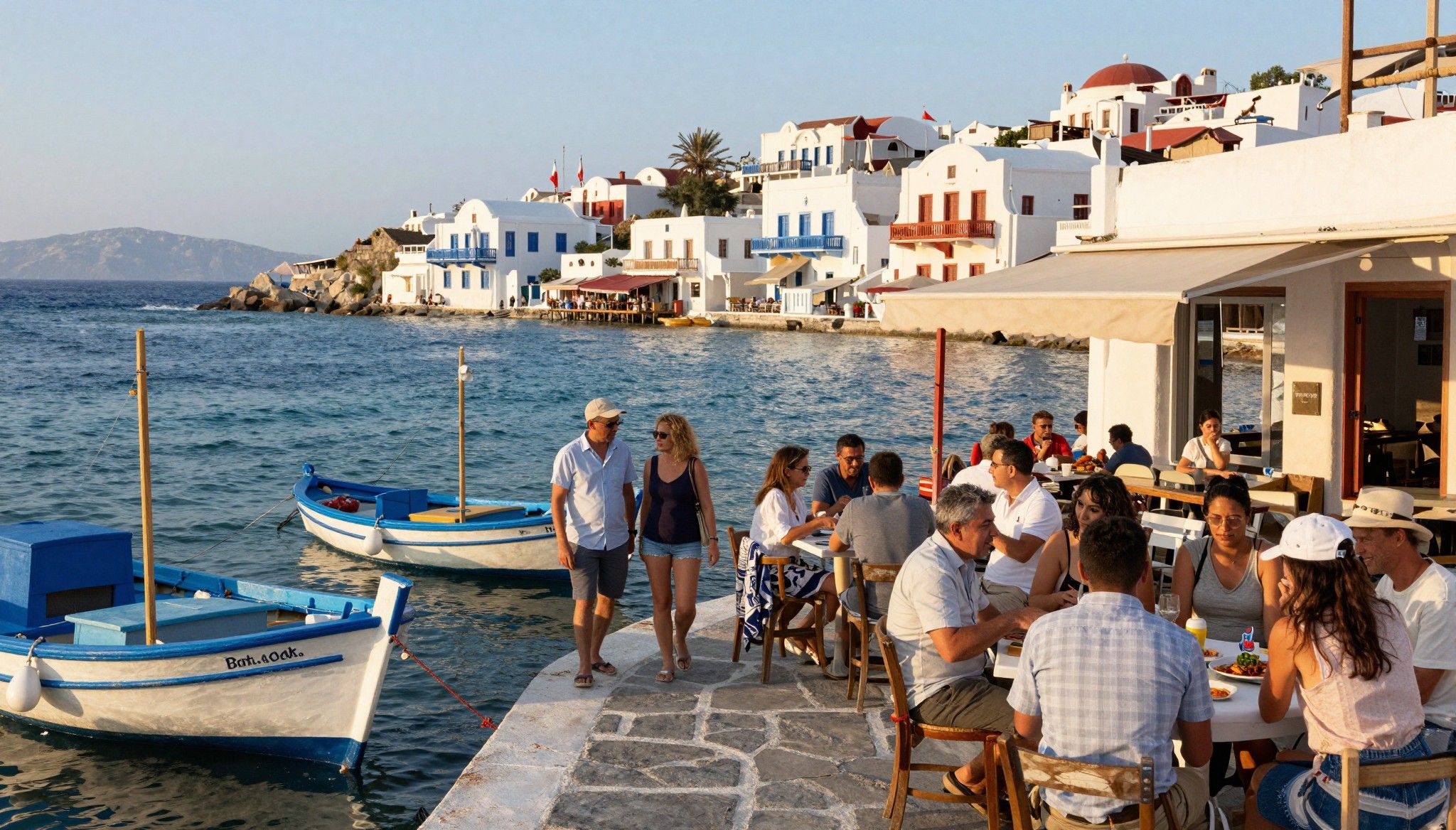
Imagine stepping out at dawn to buy tomatoes at Athens’ Varvakios Market, then catching a ferry in Piraeus for a late afternoon swim on Hydra. Greece feels lived-in: a patchwork of neighbourhood rituals, island time and metropolitan urgency. For international buyers that mix—food markets, short ferry hops, and urban cafés—Greece offers a tangible Mediterranean life, but the property choices and rules are as layered as its streets. Recent market indicators matter here; they reshape which neighbourhoods are bargains and which are priced for prestige.
Living the Greek lifestyle: day-to-day scenes
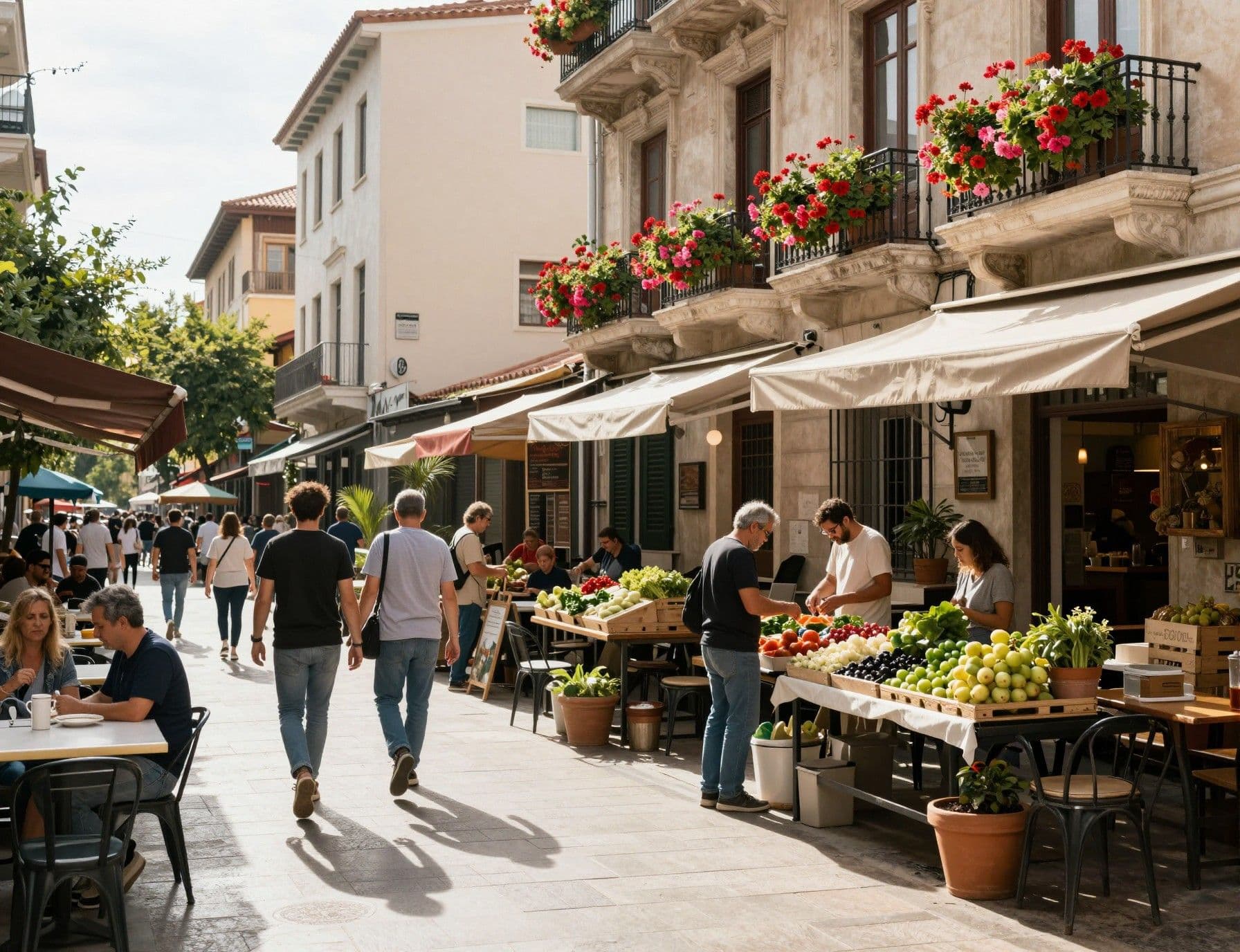
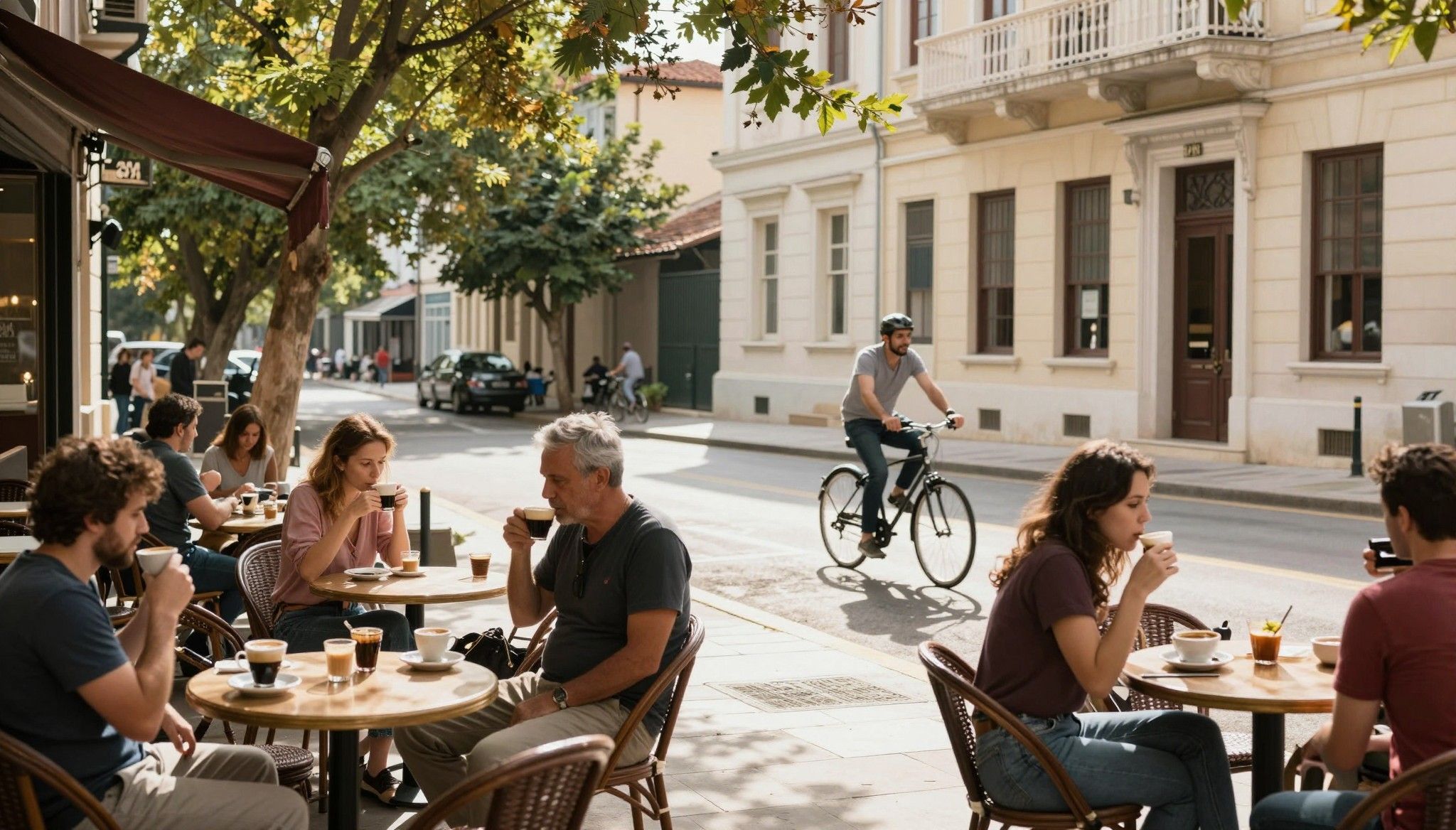
Life in Greece is sensory: coffee at a sun-bleached kafeneio, late dinners that stretch past midnight, and neighbourhoods rearranged by seasons. Athens’ Koukaki hums with parents, students and small tavernas; Plaka is museum-proximate but tourist heavy by day and quieter at dusk. On the islands, Mykonos and Santorini pulse in summer while Naxos, Paros and the Ionian islands hold longer shoulder seasons—important if you want income from rentals but crave quieter winters. These rhythms determine where a property will feel like home versus a seasonal asset.
Neighbourhood spotlight: Athens — Koukaki, Pangrati and Kolonaki
Koukaki: narrow streets, cafés spilling onto pavements and quick walks to the Acropolis; properties are a mix of renovated neoclassical apartments and sensitive new builds. Pangrati: a favourite among young families and creatives, where parks and small bakeries make daily life easy and market prices often undercut Kolonaki by 15–30% for similar commute times. Kolonaki remains Athens’ address for galleries and luxury boutiques; buy here for status and proximity to high-end services, not for a village feel.
Island life: where the seasons decide value
On islands, short-term rental demand can double summer income but compress off-season life. Bank of Greece indices show continued price growth across 2024, but growth slowed versus 2023—a signal that island hotspots are maturing rather than overheating. If you imagine morning swims and tavernas within walking distance, focus on islands with year-round services (Naxos, Corfu, Rhodes) rather than purely tourist islands where winter streets fall silent.
- Lifestyle highlights to look for
- Varvakios Market (Athens) — daily produce and neighbourhood cadence
- St. George beach (Naxos) — family-friendly waters and local tavernas
- Anafiotika lanes (below the Acropolis) — unexpected micro‑villages in a capital city
Making the move: practical considerations blended with lifestyle
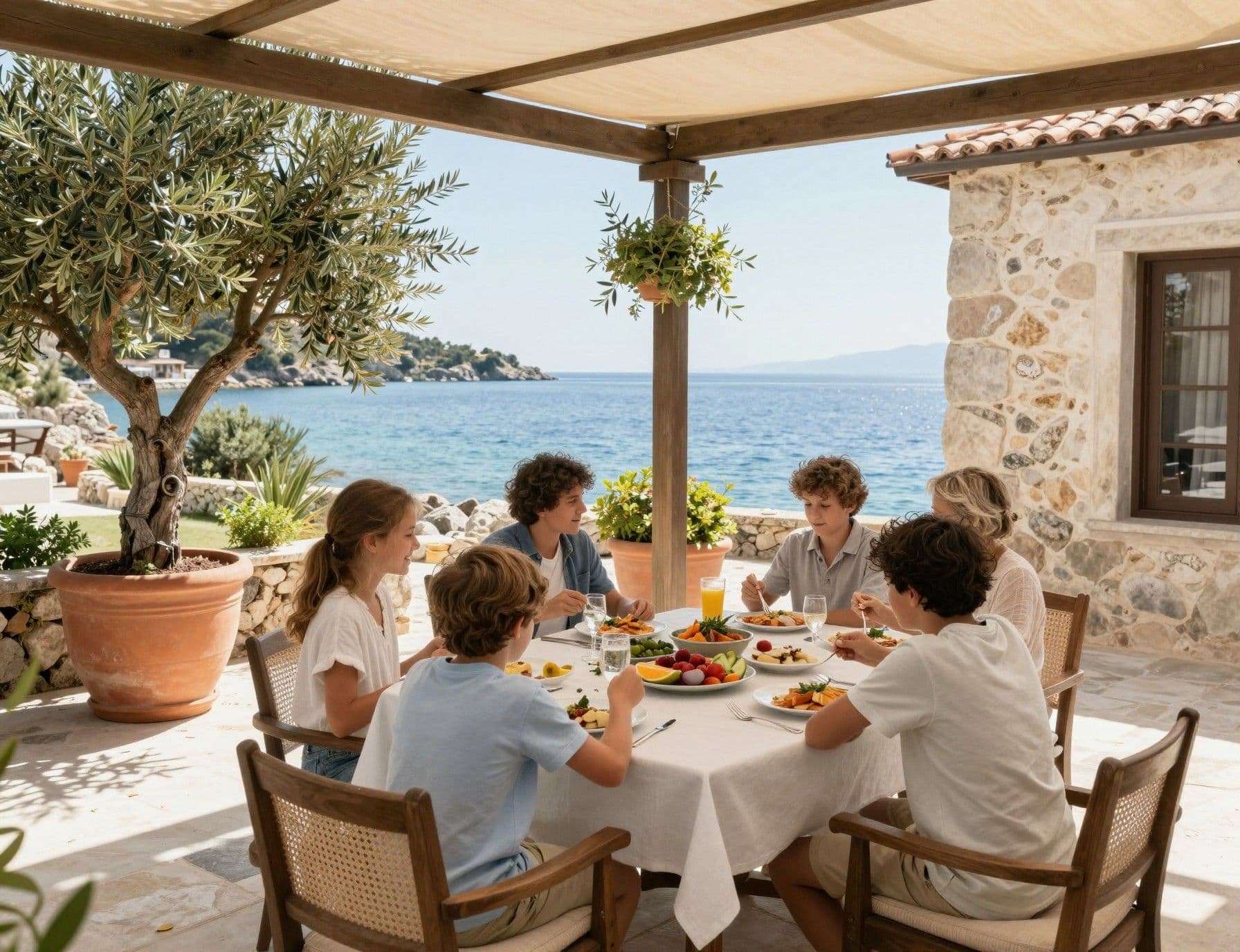
Dreams are easy: the harder part is matching the life you want with property mechanics. In Greece that means thinking about seasonality, building type (neoclassical vs. new build), and access to services off-season. Transaction patterns in 2024 show strong activity—rising sale prices and higher notarial deed volumes—so timing and local expertise matter more than ever when negotiating price and contract terms.
Property styles: what you’ll actually live in
Neoclassical flats in Athens deliver character and high ceilings; they usually need modern mechanical upgrades but reward with location. New-build apartments (2020s onward) offer lower maintenance, elevators and modern insulation—useful for year-round living and for buyers prioritising remote work comfort. On islands, look for properties with covered terraces and storage for off-season months; water supply and winter heating matter more than a view when you plan long stays.
Working with local experts who know how Greeks live
A local agent who lives the neighbourhood will point out off-season realities—where bakeries close, which streets flood in heavy rain, and which buildings have stable neighbours versus short-term lets. Legal and tax advisers familiar with recent residency-by-investment revisions are essential: thresholds and permitted asset types changed in 2024, so an adviser keeps you from assuming older rules still apply. Use agents who can show recent comparable sales and explain municipal regulations affecting rentals or renovations.
- Practical steps to marry lifestyle and process
- 1. Visit in shoulder season (April–May or September–October) to test daily life without summer crowds.
- 2. Ask for last 12 months’ utility and community fees for any apartment to judge true running costs.
- 3. Request a neighbourhood walk‑through by your agent focused on services (pharmacy, clinic, baker) and winter accessibility.
Insider knowledge: what expats wish they'd known
Expats often say the surprise was less about language and more about rhythm: shops close for a few hours mid‑day, civic bureaucracy needs patience, and neighbourhood social life is where trust builds. Data shows transaction volumes rose in 2024 with increased notarial deeds, but average price per square metre varies sharply between Athens, Thessaloniki and island districts—so national headlines rarely help you pick the right block.
Cultural integration and community practicalities
Learn basic phrases, attend local markets and join a neighbourhood association or gym; these are common routes to friends and neighbours who will tell you which plumbers and builders actually show up. Schooling and healthcare in urban centres are straightforward for expat families; island life often requires ferry or air access plans for specialist care. Expect friendships to form slowly but to be deep—this affects everything from property upkeep to invitations for Sunday lunch.
Long-term lifestyle and investment considerations
If your purchase is both a home and an investment, plan for maintenance cycles and for the market to fluctuate with tourism seasons. Recent policy shifts to residency-by-investment criteria and the steady increase in average sale prices underline the need for up-to-date legal counsel. Over five to ten years, properties with reliable year-round demand—near hospitals, universities or stable local economies—consistently outperform purely seasonal holiday assets.
- Red flags to watch for before signing
- Missing recent utility bills or community fee statements.
- Unclear ownership history or unverifiable building permits—especially on islands where records may be fragmented.
- Agents reluctant to show recent comparable sales in the same street or block.
Conclusion: live like a local, buy with clarity
Greece rewards buyers who prioritise lived experience over postcards: test a neighbourhood in shoulder season, match property type to year‑round use, and work with advisors who keep up with policy changes and local transaction data. If you can picture weekday coffees in a favoured kafeneio and know who repairs the roof by Tuesday, you’re not just buying a property—you’re buying a life. Start with a short scouting trip, request recent deed and utility records, and ask your agent for three recent sales on the same street as evidence.
BlueprinteraDutch investment strategist with a Portugal-Spain portfolio. Expert in cross-border financing, rights, and streamlined due diligence for international buyers.
Related Articles
More insights that might interest you
 Villa Curated
 Villa Curated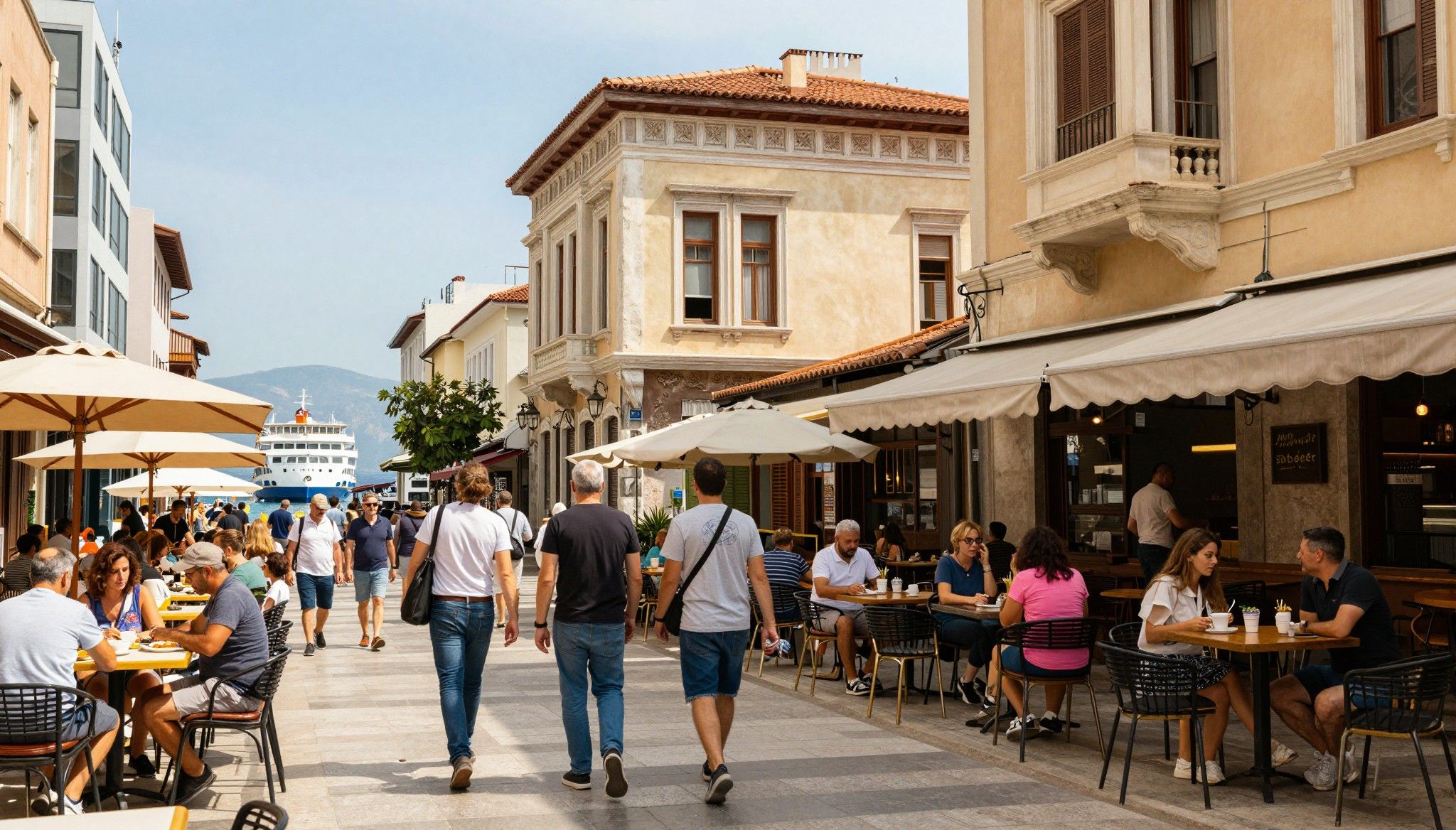
 The Yieldist

