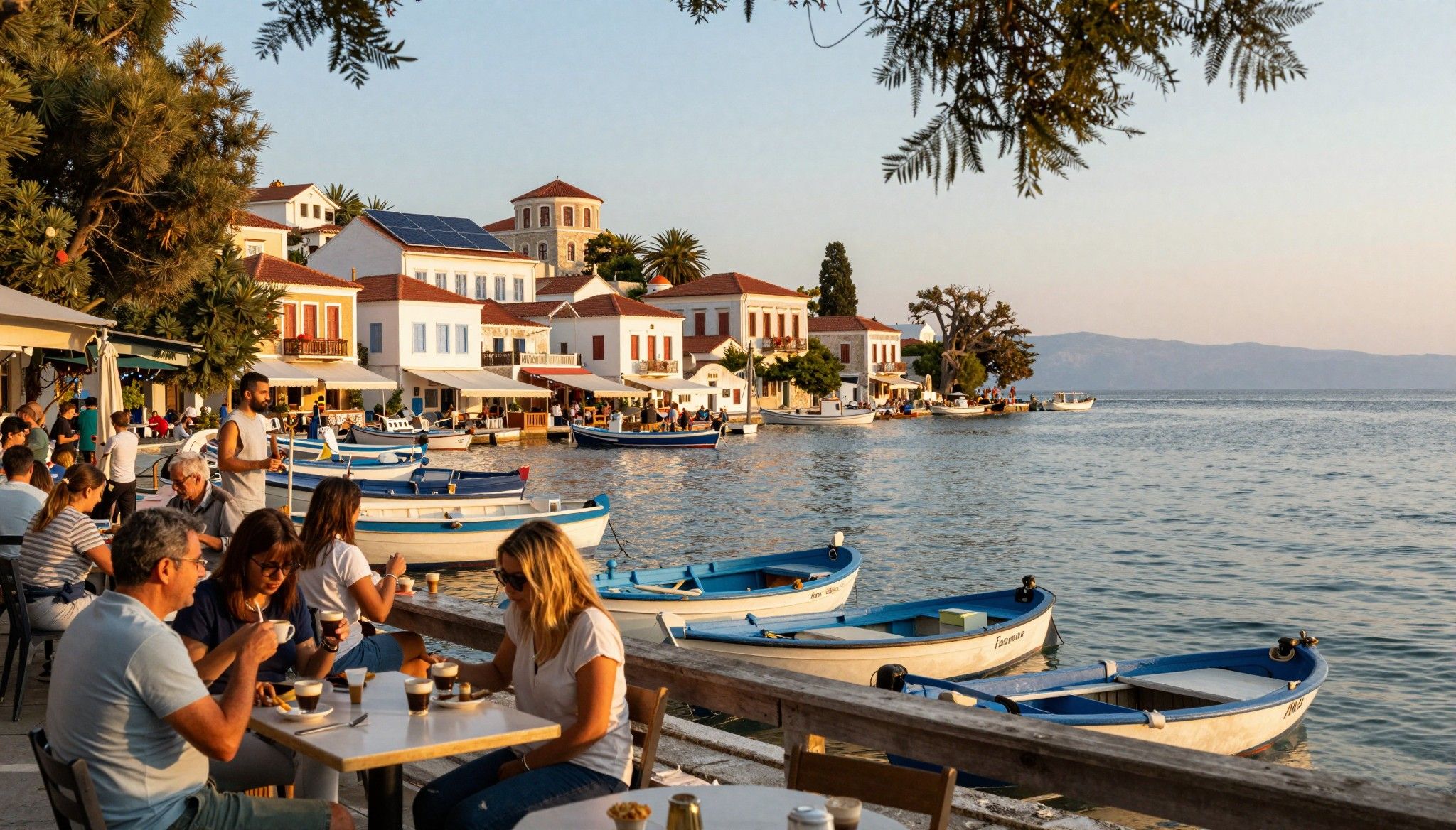
The 'Island Premium' Myth — Greece's Green Grid Pays Off
Greece’s rising renewable grid and new residency rules recast the ‘island premium’ as a lifestyle asset—learn how green infrastructure protects daily life and long‑term value.
 Moss & Hearth
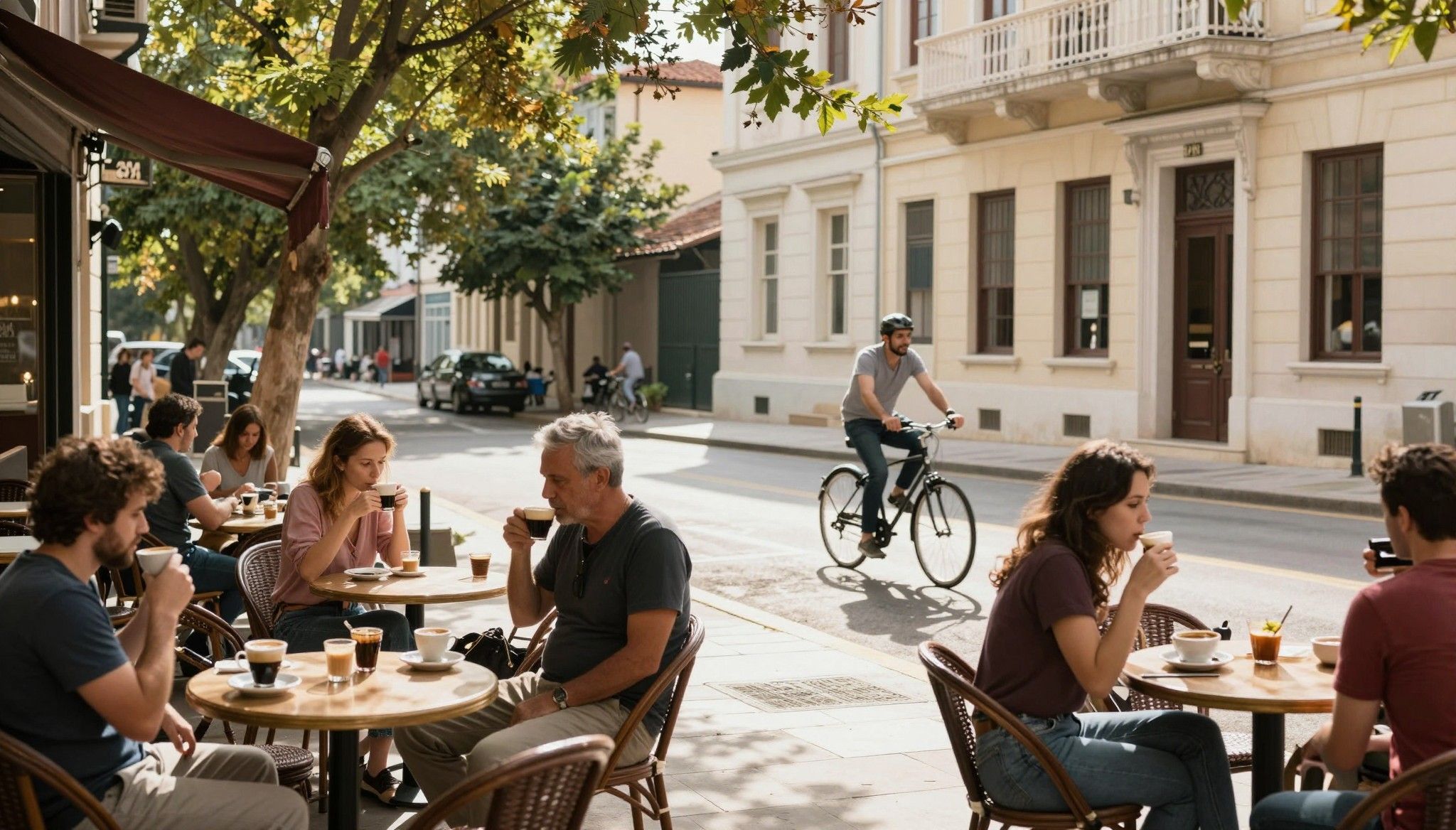
Imagine waking to sea-salted air, then cycling past terraced olive groves to a café on an island lane where the espresso steams and the roof panels quietly feed the village. In Greece, those small everyday acts—grocery runs to the morning market in Chania, late-afternoon swims at Votsalakia beach in Sifnos, or an evening of rebetiko in Athens' Psyrri—are increasingly powered by local renewables and neighbourhood-scale green infrastructure. This piece looks beyond price headlines to show how Greece’s rapid shift to renewables, changing residency rules and local know-how recast the so‑called “island premium” as a lifestyle and stewardship advantage for international buyers.
Living the Greece lifestyle: sunlight, sea and quiet stewardship
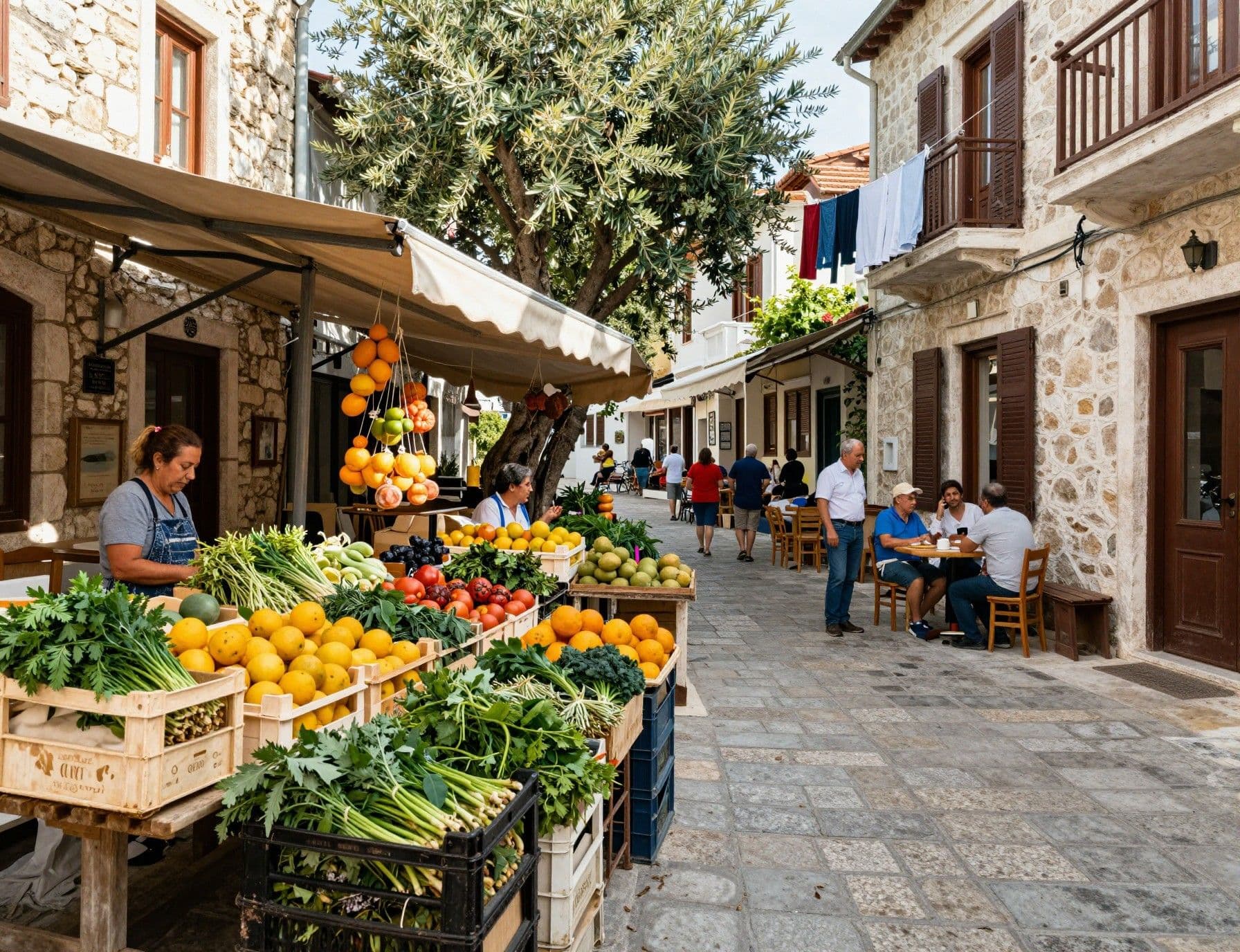
Greece feels like a sequence of small rituals: a market visit for horta and wild fennel, late‑day dips interrupted by children shrieking with delight, and neighbours pruning bougainvillea under the slow, forgiving light. Those rituals now sit beside practical, visible signs of green change—roof‑top PV, village battery storage and solar carports—so daily life is quieter, cleaner and often cheaper to run. EU data shows Greece crossed a meaningful renewables threshold recently, and that shift matters not only for bills but for the way homes integrate with the landscape and community. (See energy share reference.)
Island lanes and coastal towns: micro‑grids and slow mornings
Walk the old port of Naxos or the back streets of Nafplio and you’ll notice solar panels layered with centuries‑old stone: pragmatic, unshowy, regenerative. Rooftop PV and small wind installations are no longer exotic; they’re part of everyday upgrades owners make to cut summer loads from air conditioning and to charge e‑bikes. That visible infrastructure signals community resilience—less reliance on noisy backup generators, and a calmer rhythm to daily life. Recent capacity figures show renewables taking a larger role in Greece’s grid, a local trend that shapes neighbourhood value and livability.
Food, markets and seasonal rhythms
Seasonality is the country’s pulse. Spring brings farmers’ markets heavy with citrus and arugula; summer reorients life outdoors—balconies become dining rooms, terraces host sleepovers beneath bougainvillea. For buyers, that means outdoor living spaces, shaded pergolas, and rainwater capture are as valuable as square metres. Seek properties with mature gardens, cisterns, shady courtyards and east‑west orientation—features that make daily life comfortable while reducing energy dependence.
Making the move: practical considerations that protect lifestyle value
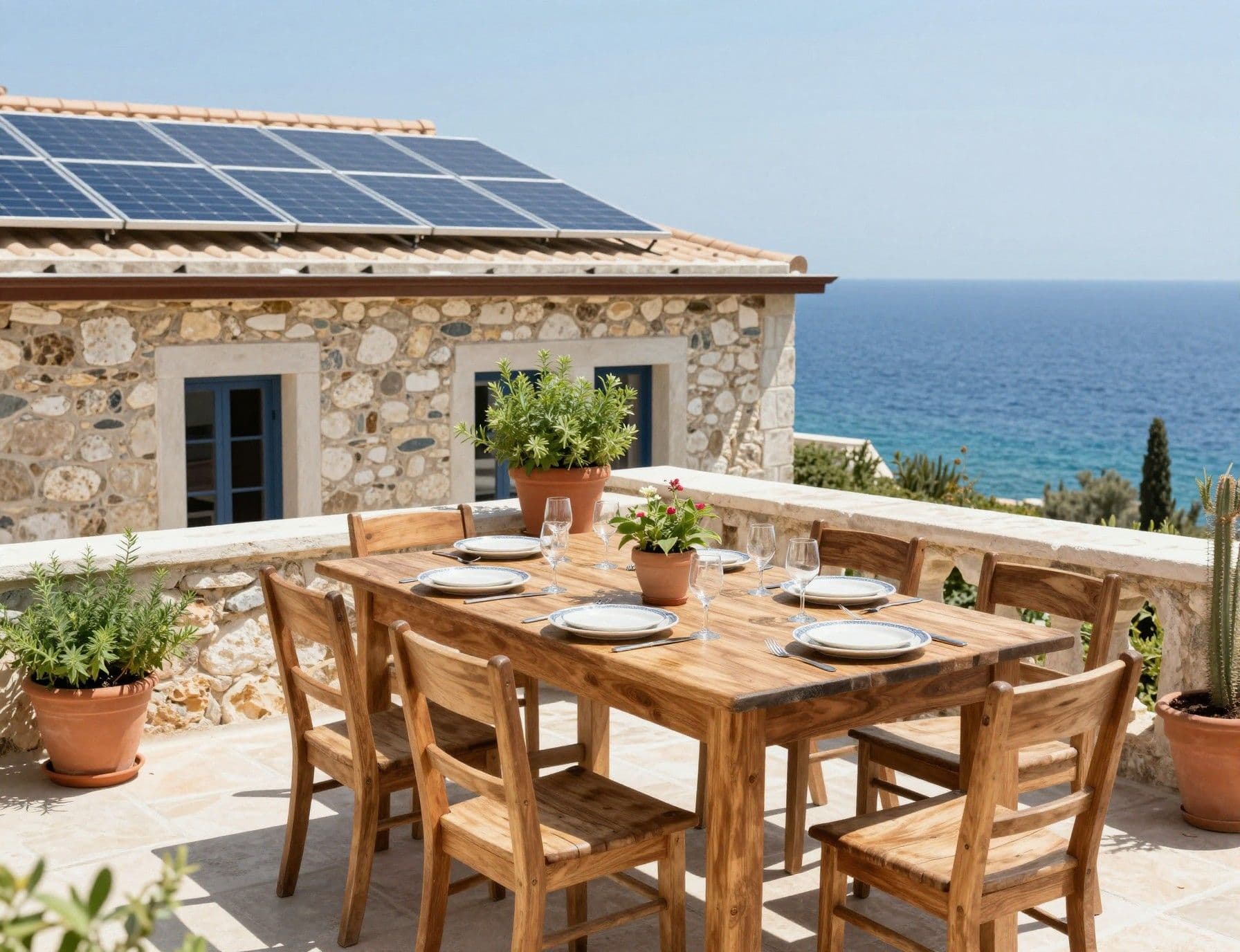
Dreams meet documents: the same light that makes Greek terraces irresistible also changes how a property functions across seasons. International buyers should marry lifestyle wants with practical checks—grid connection quality, rooftop PV legality, water rights, and recent permits for extensions or conversions. Local legal guides and market reviews highlight rising prices in urban hubs and continued foreign interest, so early clarity about permits and green upgrades saves time and preserves the life you imagined.
Property types that match a green life
From stone village houses with thick walls (excellent for passive cooling) to modern island villas with rooftop PV and battery storage, different property types support different green lifestyles. If you crave community markets and small‑scale gardening, a restored kamara house in Peloponnese or Crete is ideal; if you want low‑maintenance, look for turnkey builds with energy certificates and solar already installed. Ask sellers for recent energy performance attestations and maintenance records—these are practical clues to how a home will perform across seasons.
Working with local experts who care about life, not just sale price
Choose agents and architects who know seasonal living: they’ll recommend building orientations, shade solutions, thermal upgrades and modest PV systems that protect both the pocket and the view. A good local team also knows where rising infrastructure—port upgrades, new grid links, or planned desalination—will change neighbourhood life. Treat your agency as a long‑term steward: they’ll help you find homes already aligned with the lifestyle you want, not just the highest yield.
- Practical checklist before bidding (lifestyle + technical)
- Confirm roof ownership and PV permits; review recent electricity bills to spot seasonal spikes
- Ask about cisterns, irrigation systems and water access—garden life matters in summer
- Check local waste‑collection and recycling services; community programmes can make daily stewardship easier
Insider knowledge: myths, residency rules and what expats wish they’d known
Here’s the sharper truth many expats learn after six months: the ‘island premium’ is not only about tourists or overpriced cafes. It often reflects scarce, climate‑resilient homes—properties with mature gardens, good shade, and reliable local infrastructure that keep island life comfortable. Similarly, recent legal changes to investor residency mean you must check whether a purchase still qualifies for residence pathways or whether thresholds have shifted. Local lawyers and agents with recent experience are indispensable.
Residency rules and the 'Golden Visa' landscape
Law changes in 2023–2024 adjusted thresholds and regional rules for investor residence permits, especially in Attica, Thessaloniki and major islands. That shifts the calculus for buyers who previously relied on low‑threshold investments; today, location and property type matter more than ever. Always verify current thresholds with a local immigration lawyer before committing to a purchase that depends on residency outcomes.
What expats wish they’d known: integration and community
Expat communities form around markets, sailing clubs, language cafés and volunteering at local festivals. Learn a handful of Greek phrases, join a weekly taverna table, and you’ll be welcomed. Practical tip: look for neighbourhoods with year‑round populations (small fishing ports, university towns) if you want deeper social ties; resort towns can feel lively but seasonal and less integrated outside summer.
- Step-by-step: blending lifestyle aspiration with a practical purchase
- 1. Visit in off‑peak season to experience true rhythms (March–May or October).
- 2. Commission an energy and water systems audit before making an offer.
- 3. Work with a local notary and lawyer to confirm permits, grid status and any conversion history.
- 4. Build modest budget room for green upgrades (PV, battery, insulation) as part of negotiation—these raise comfort and resale value.
Conclusion: Greece rewards buyers who see a home as a place within an ecosystem. The “premium” many warn about often buys quieter streets, mature gardens, and infrastructure that keeps summer manageable and winters gentle. If your dream is to live lightly—on a sunny terrace, in a village where neighbours share surplus tomatoes, with the grid increasingly braided to sun and wind—start with lifestyle visits, insist on energy and water checks, and choose local advisers who protect both your dream and the place that nurtures it.
Moss & HearthSwedish advisor who left Stockholm for the Costa Brava in 2019. Specializes in sustainable, sea‑view homes for Scandinavian buyers and green finance insights.
Related Articles
More insights that might interest you
 Villa Curated
 Villa Curated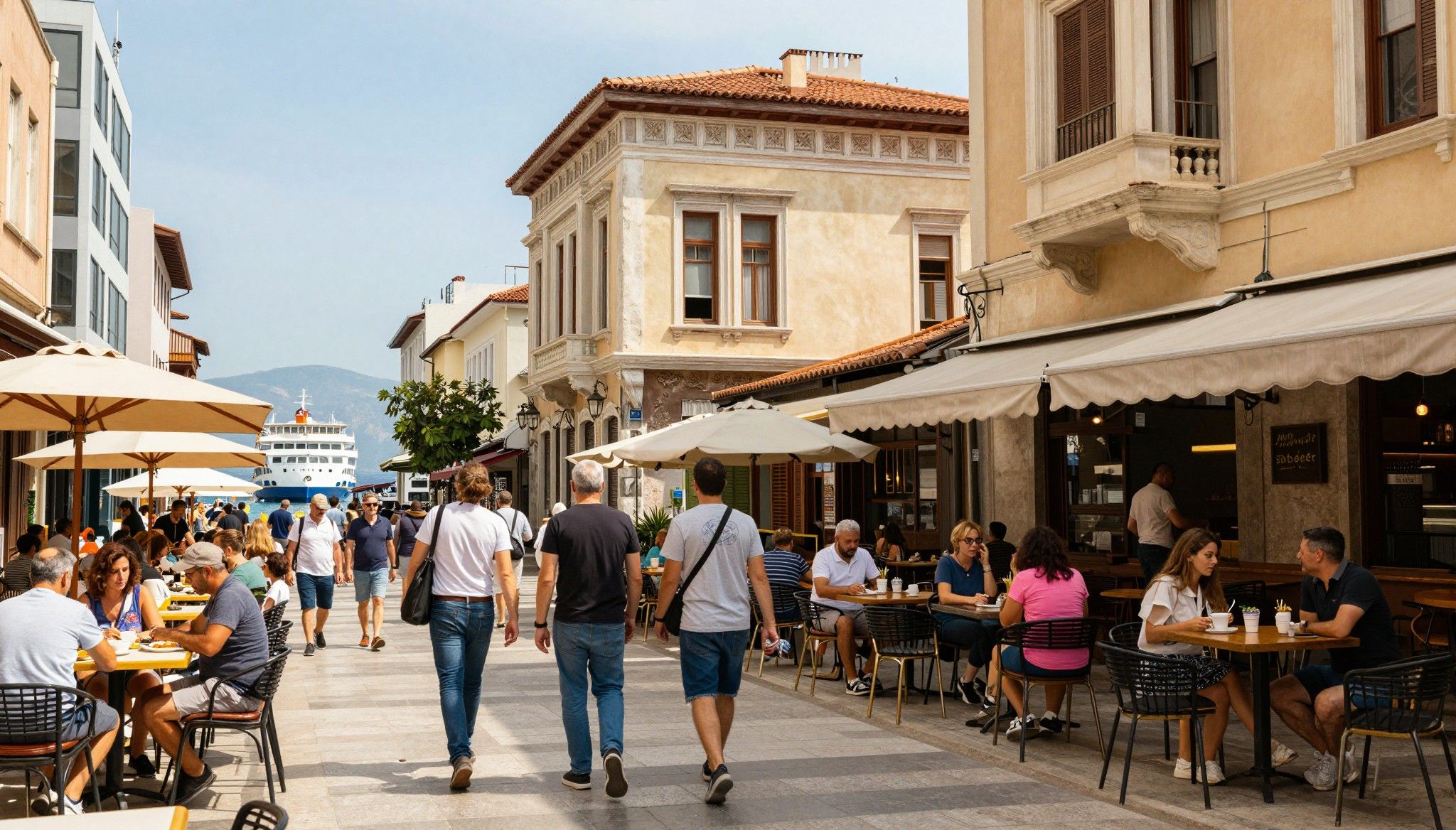
 The Yieldist

