Buy Off‑Peak: How Greece's Seasonal Rhythm Reveals Value
Greece’s true property value shows in seasons — shoulder‑season house‑hunting, traditional crafts and green stewardship reveal better buys than summer showings alone.
 Moss & Hearth
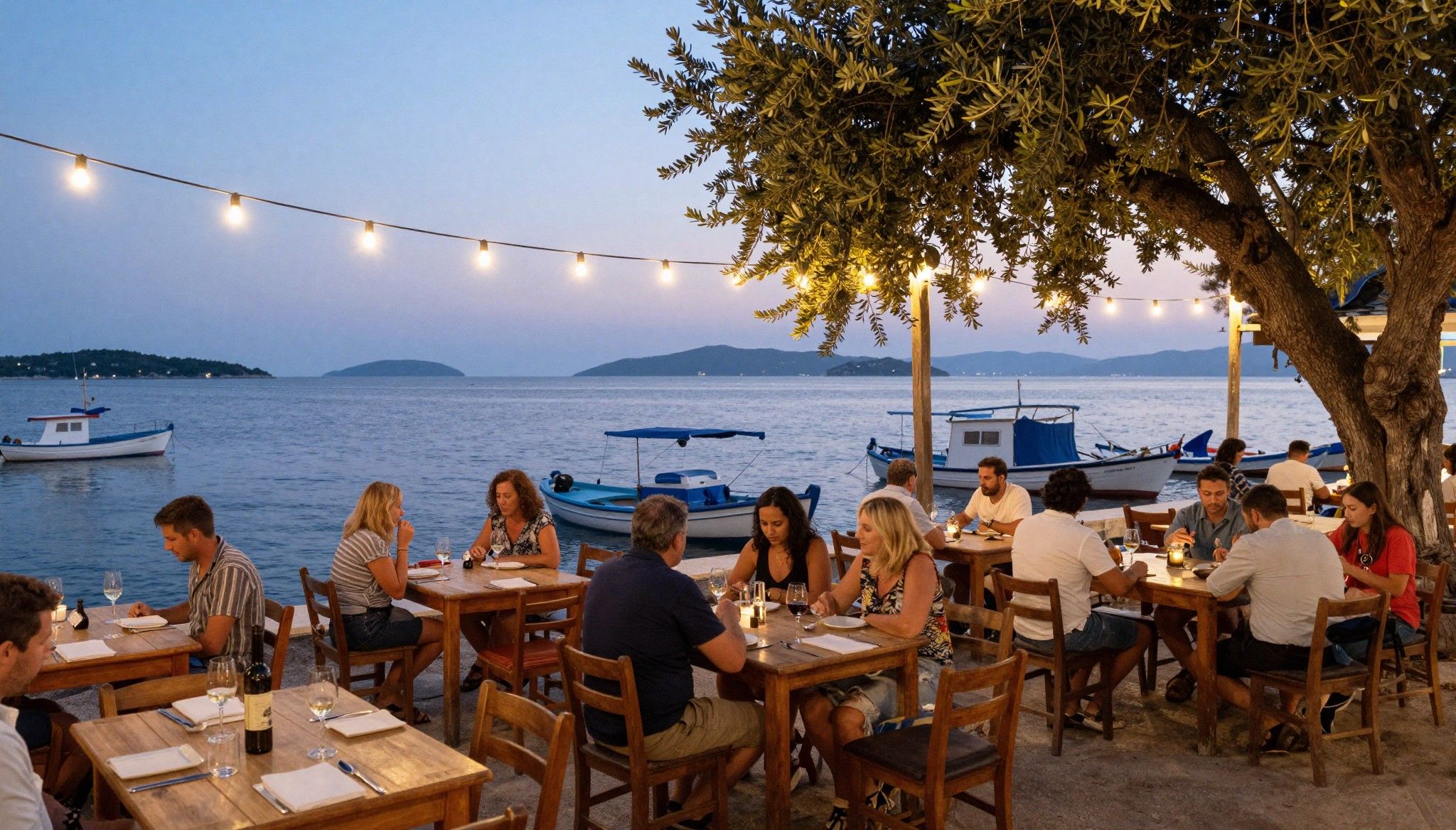
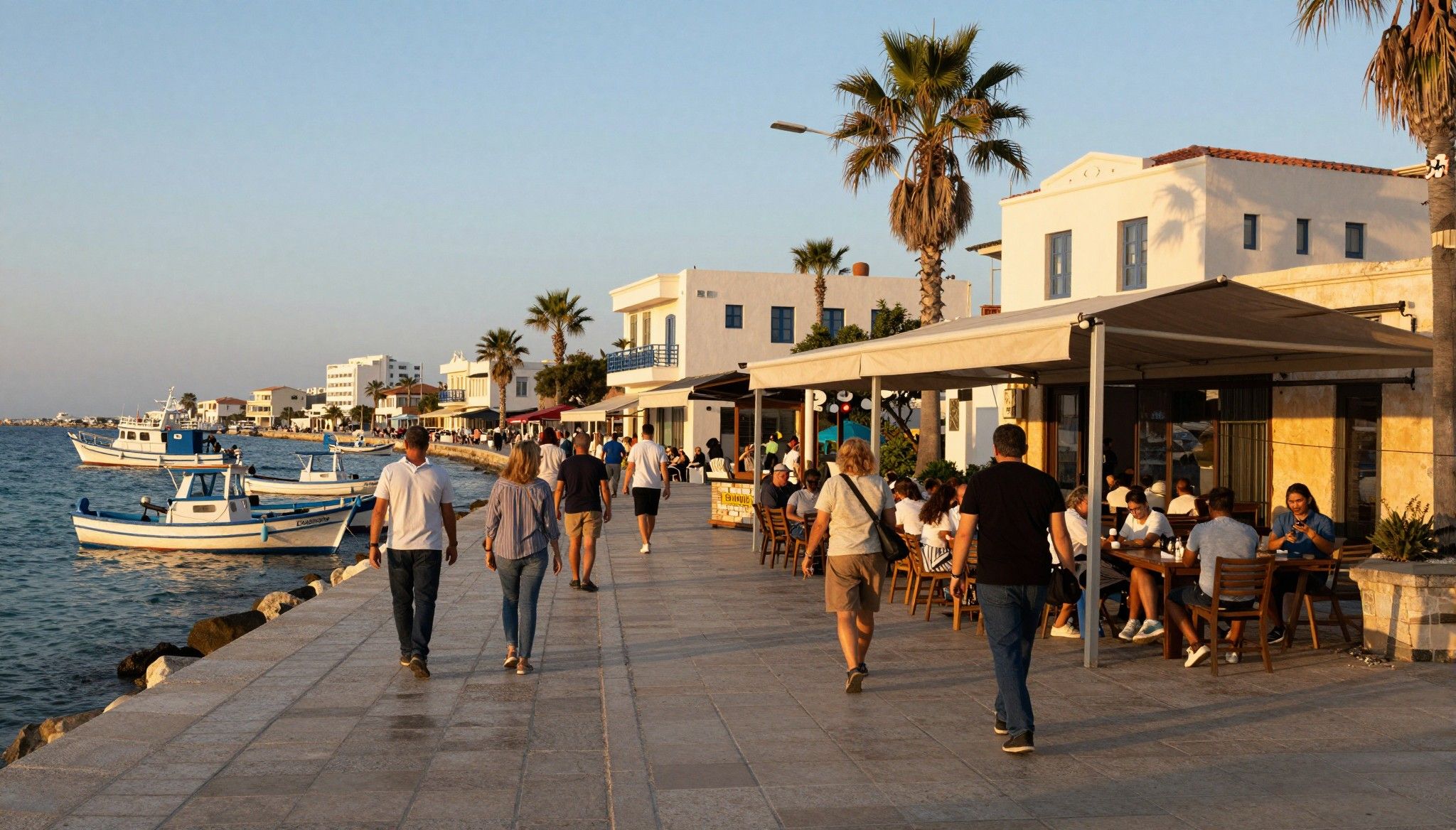
Imagine waking to the smell of baking koulouri on a sunlit lane in Chania, wandering a Saturday market in Koukaki for herbs and sea-salted feta, and slipping into a twilight swim off a near-empty pebbled cove. That sense of slow, seasonal abundance is Greece’s real property magnet — but the best entry points for international buyers are often hidden in the calendar and the rhythms of island life, not the headline price tags.
Living the Greek lifestyle: daily rhythms and seasonal texture
Greece moves in cycles: an exuberant high season that reshapes coastal towns from May to September, a mild shoulder season of harvest and market life in October and April, and a quieter winter where inland villages hum with local craft and authentic routines. For an international buyer, that seasonal cadence determines how a place feels — and how a property actually performs across the year.
Neighborhood spotlight: Athens’ Koukaki, Chania’s Topanas, and Naxos villages
Koukaki (Athens) is a coffee‑first neighborhood where morning terraces, village‑scale bakeries and narrow streets keep life intimate; Topanas (Chania, Crete) has stone alleys, sea breezes and artisans who restore Venetian doors; interior Naxos villages prize orchards, local cheeses and slow rhythms. Each micro‑place offers a different seasonality — one hums in summer, another reveals its heart in winter markets.
Food, market life and the green craft tradition
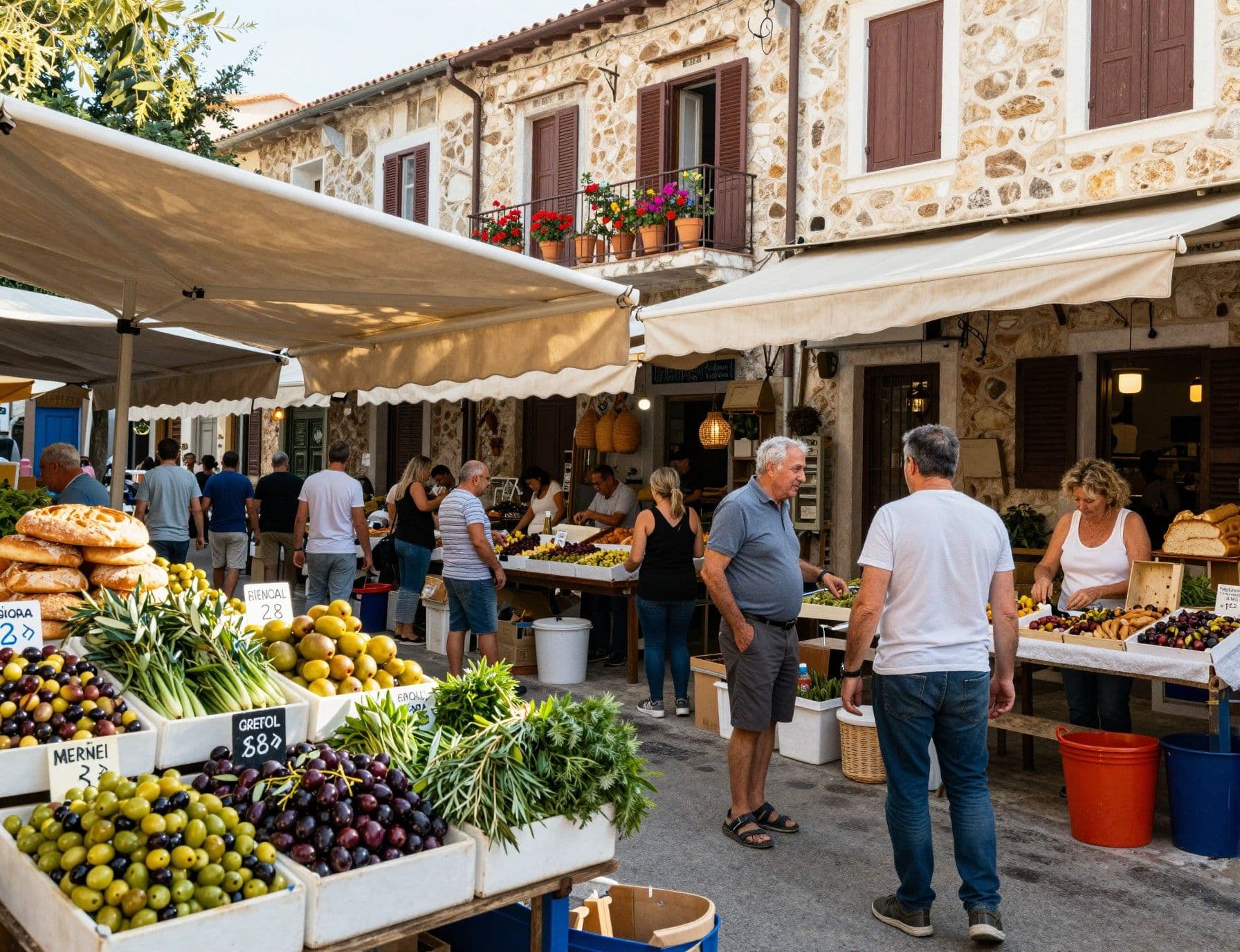
Food ties you to place here: morning fish stalls near the port, afternoon olives pressed at family mills, and neighborhood tavernas sourcing from community gardens. Traditional crafts — stone masonry in Mani, hand‑woven textiles in Lesvos, terracotta roof restorations across the Peloponnese — not only shape the look of homes but offer low‑impact, long‑lasting repair options that suit buyers interested in ecological stewardship.
- Lifestyle highlights: local places and seasonal experiences
- Early morning espresso at Little Kook in Koukaki; farmers’ tables at Chania’s municipal market; Sunday souvlaki nights in Nafplio’s old town; foraging walks for wild oregano on Ikaria; winter olive‑press festivals in the Peloponnese.
Making the move: timing, property types and the practical rhythm
Lifestyle is seductive — but smart buyers map that desire onto hard seasonality and market data. Recent national indices show steady price growth, yet pockets of value persist in off‑peak seasons and less touristed island villages. Tying your house‑hunting to the local calendar (post‑harvest inspections, late‑autumn property checks, or winter viewings) reveals repairs, community life and genuine running costs that summer open‑house visits hide.
Property styles and how they shape life
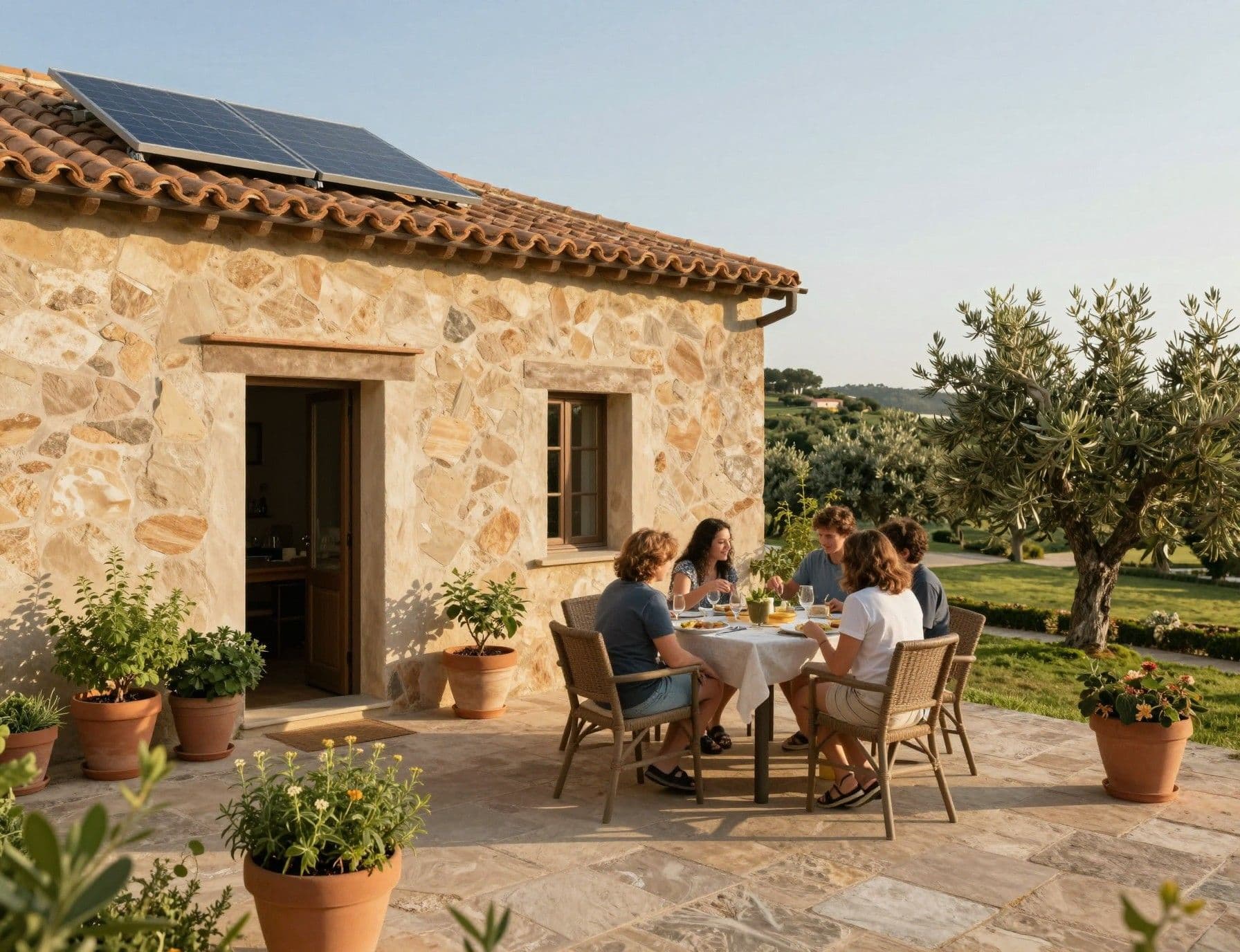
Stone village houses offer thick walls and passive cooling, perfect for low‑energy living but often needing masonry expertise; modern island villas promise solar opportunities and rainwater capture but carry higher upkeep. Match the property’s materiality to your seasonal use: thick‑walled homes suit winter stays; lightweight timber or whitewashed island homes make sense if you’ll live there mostly in spring and summer.
Working with local experts who steward lifestyle value
A stewarding local agent — fluent in municipal permit culture, familiar with traditional craftsmen and versed in energy retrofits — is invaluable. They’ll introduce you to masons who know how to ventilate stone walls correctly, solar technicians who size arrays for seasonal loads, and municipal officers who can clarify build‑limit nuances in protected olive groves.
- Steps to marry lifestyle and practical due diligence
- Schedule a winter or shoulder‑season visit; commission a seasonal running‑cost audit; meet local craftsmen and see recent restorations; check municipal restrictions and utility connections; ask an agent about long‑term community plans and visitor seasonality.
Insider knowledge: what expats wish they’d known
Real buyers tell the same story: seasonality reveals maintenance bills, and islands that shine in August can feel abandoned in November. Official indices from the Bank of Greece and national statistics show consistent price growth, but they also underline a key point — local liquidity and rental demand are highly seasonal, so expected yields and costs vary more here than in continental markets.
Cultural integration, language and neighborhood fit
Learning simple phrases, attending a taverna’s name‑day celebration, or shopping weekly at a local market opens doors. Choose neighborhoods where community life matches your tempo: lively coastal squares for social calendars, or inland hamlets for quieter stewardship and garden projects.
Long‑term stewardship and seasonal upkeep
Think beyond purchase: olive tree management, winter rainproofing, and hiring a local custodian for off‑season care preserve value and reduce surprises. Green investments — solar PV sized for shoulder seasons, cisterns for summer gardens, and native landscaping — often pay back in resilience rather than immediate yield.
- Red flags and realistic tradeoffs
- Properties sold only in summer viewings with vague winter photos; buildings without local masonry records in seismic zones; lots marketed near “future marina” projects without municipal approvals; listings that tout high rental yields without seasonal occupancy data.
If you love Greece for its seasonal textures, let the seasons choose you back. Visit in the shoulder months, favour homes with durable, ecological materials, and work with agents who measure value by lived experience as much as headline returns. When your home is part of the local cycle — harvesting, repairing, celebrating — it keeps both its value and its soul.
Moss & HearthBritish expat who traded Manchester for Mallorca in 2017. Specializes in guiding UK buyers to luxury Spanish estates with clear navigation of visas and tax.
Related Articles
More insights that might interest you
 Villa Curated
 Villa Curated
 The Yieldist

