Stone, Sea & Season: Living and Buying in Malta
Malta combines honey‑stone streets, vivid seasonal life and steady price growth—visit different seasons, prioritise breathable stone repairs and work with eco‑minded local experts.
 Moss & Hearth
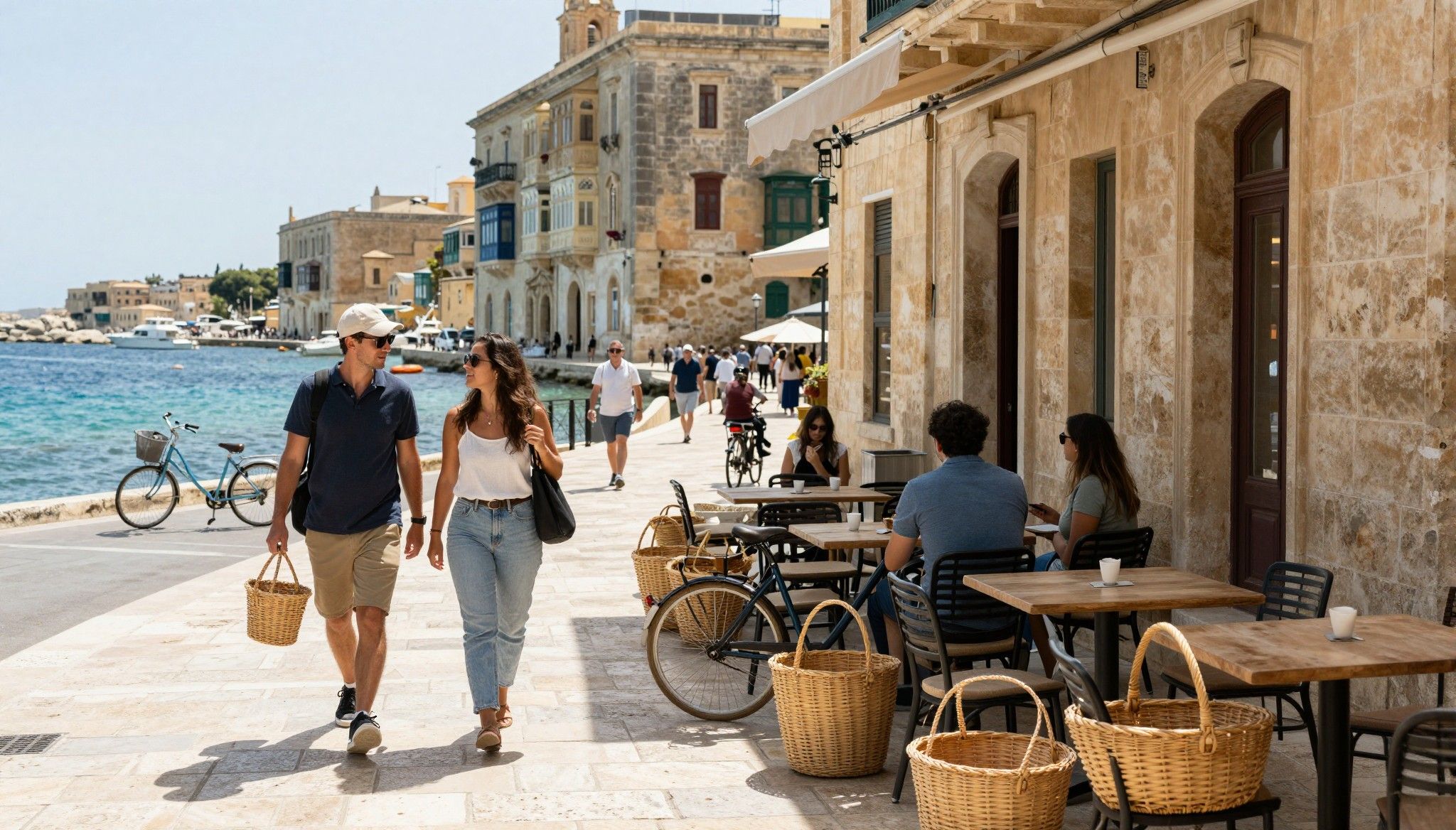
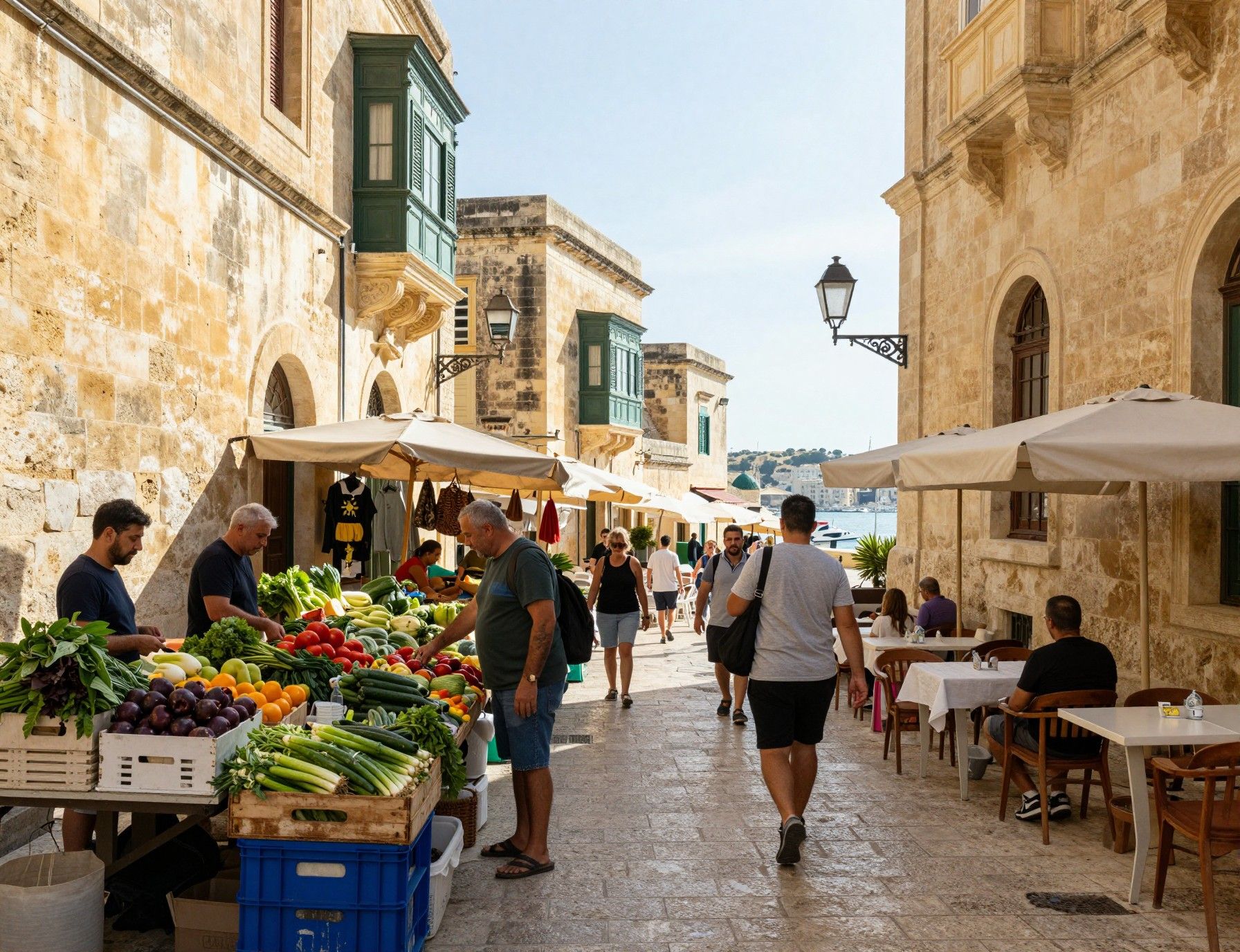
Imagine stepping out at dawn to buy ricotta-filled pastries on Triq il-Merkanti in Valletta, then drifting toward the sea as light fills sandstone facades. Malta feels small enough to learn the rhythm of neighbors and large enough to keep discovering new coves, neighbourhood cafés and hidden workshops where traditional lace and limestone carving are still practiced.
Living the Malta life: stone, sea and seasonal ritual
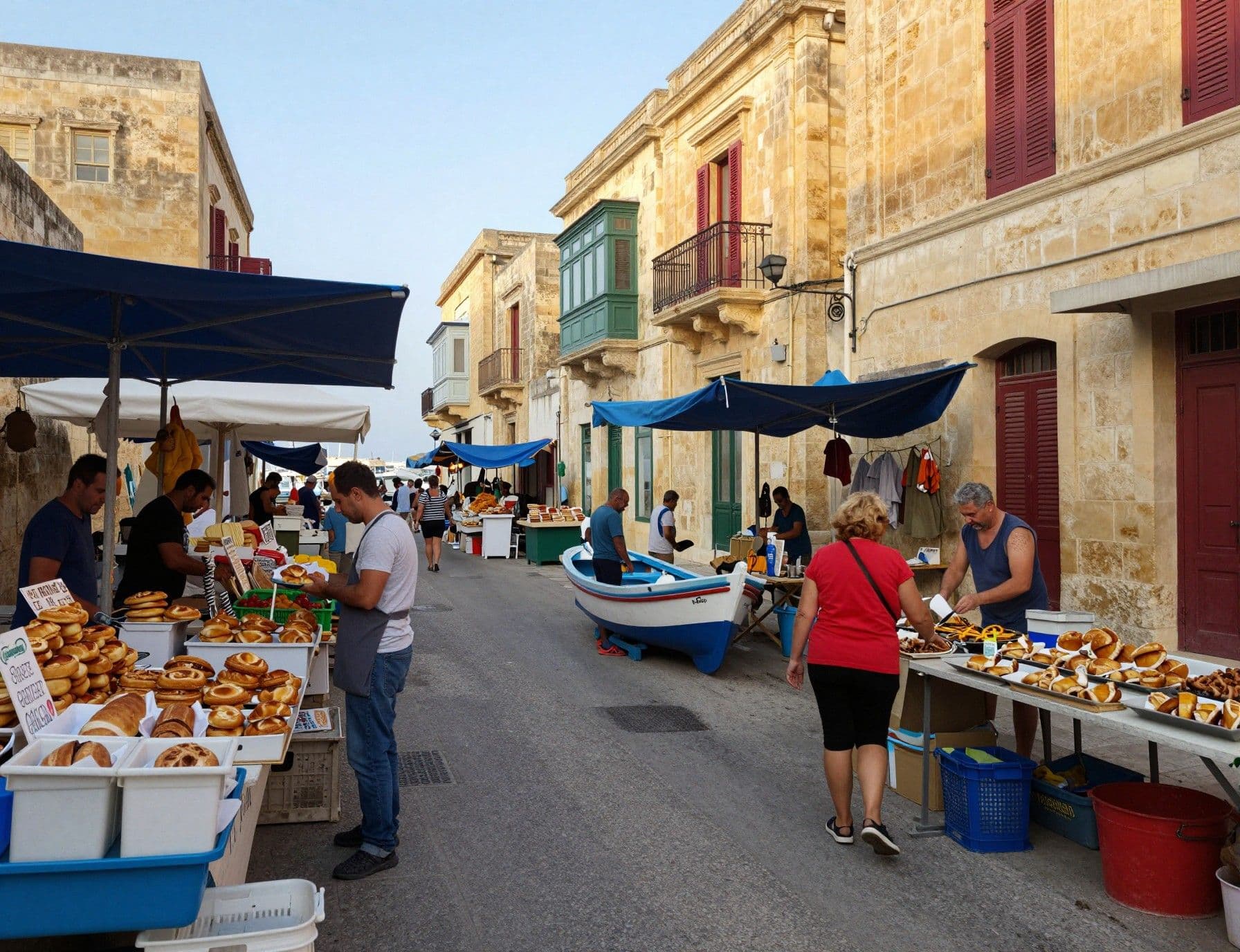
Day-to-day life in Malta balances a slow Mediterranean cadence with practical modern comforts. Mornings mean espresso at local cafés, children on narrow streets, and fishermen sorting the day’s catch in Marsaxlokk. Afternoons are for lazing on bays like Għajn Tuffieħa or walking the promenade from Sliema to St Julian’s. Evenings bring family-style dining, long conversations over lampuki pie, and neighbourhood festivals where lanes glow with festoon lights.
Valletta, Sliema and the capital fringe: lived-in elegance
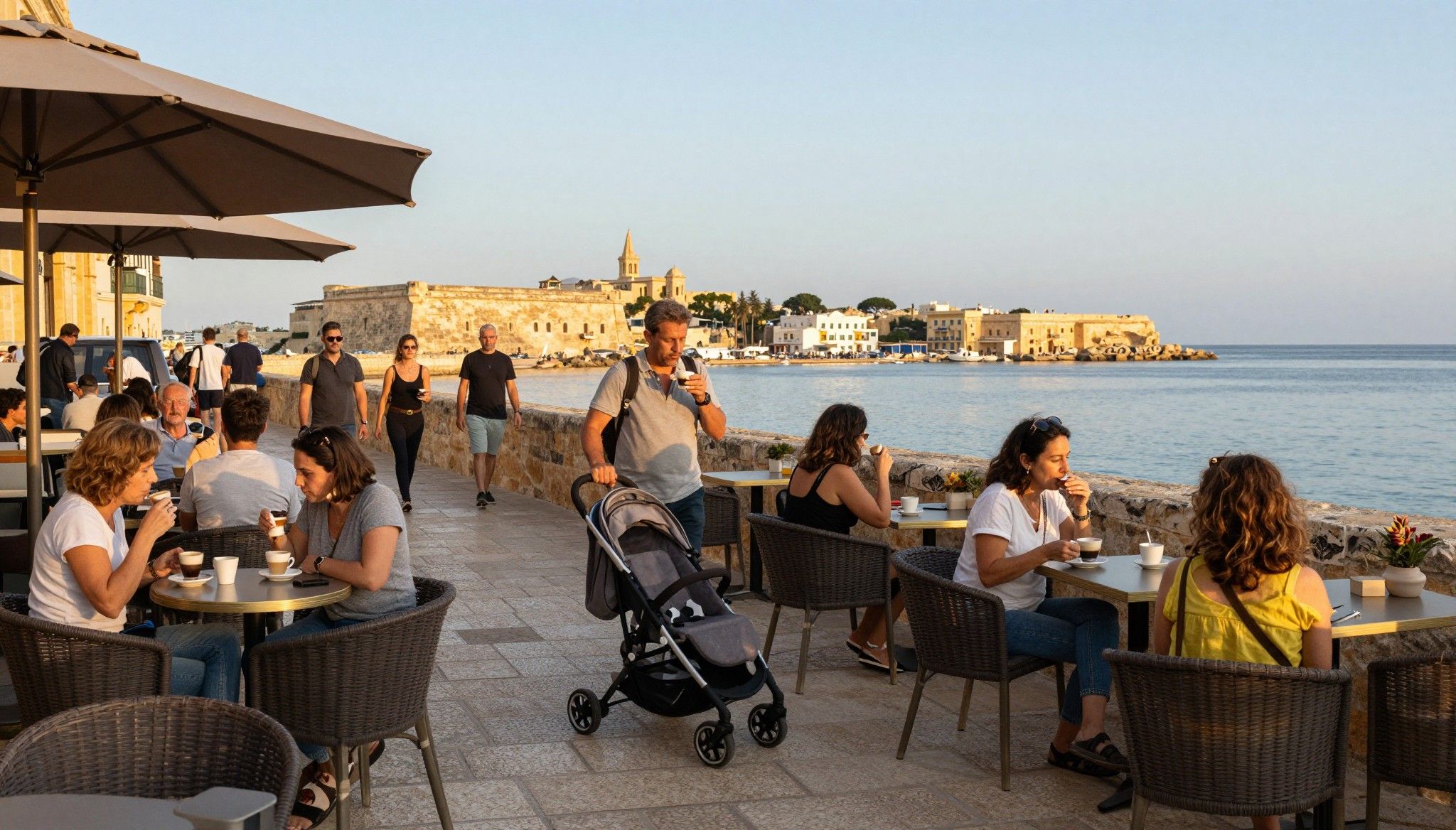
Valletta’s honey-coloured streets hold a daily mix of office workers, students and retirees. Cross into the capital fringe—Fort Tigné, Ta' Xbiex and Msida—and you find quiet terraces, second‑hand bookshops and hidden roof gardens. Sliema and St Julian’s offer the sea‑view promenade energy: cafés open early, small galleries on backstreets and an easy social scene for expats who want both convenience and community.
Rural pockets and coastal towns: where crafts and ecology thrive
In Żebbuġ, Rabat and the north‑west villages you’ll hear church bells, find artisan stonemasons and spot kitchen gardens hugging old farmhouses. Mellieħa and Golden Bay are where beach life meets birdwatching—migratory paths cross here in spring and autumn—and small cafés serve foraged greens and simple seafood plates. These pockets preserve a quieter, more seasonal Malta.
- Lifestyle highlights
- Morning espresso and pastizzi in Valletta’s Strait Street
- Sunday market breakfasts at Marsaxlokk harbour
- Hikes and birdwatching around Buskett and the Dingli Cliffs
- Evening festas (village feasts) that knit communities together
Making the move: practical considerations that protect the lifestyle
The dream of living above a café or restoring a limestone townhouse must be balanced with market realities: Malta’s residential prices have risen steadily in recent years, driven by limited land, tourism-linked demand and strong economic growth. National statistics and international reports show continued price resilience, so planning around timing, renovation costs and rental rules matters if you want the lifestyle without surprises.
Property styles and how they shape daily life
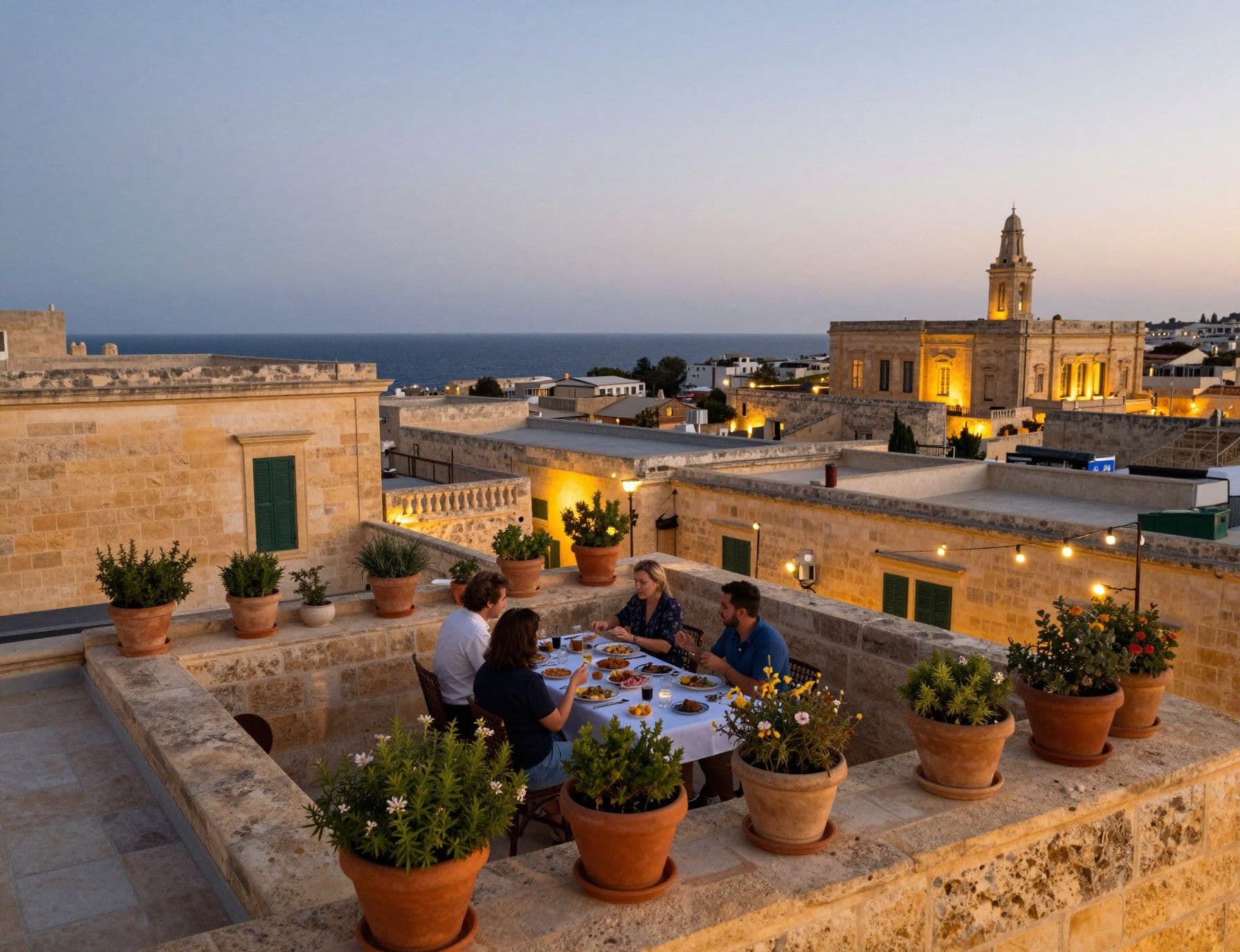
Townhouses and ‘houses of character’ invite domestic life on multiple floors, rooftop terraces and internal courtyards—perfect for gardening in pots and installing solar hot water. New apartment blocks offer elevators and easy maintenance but less outdoor private space. If you value a garden for herbs and pollinators, target houses with terraces or choose ground‑floor units in quieter villages.
Working with local experts who care about place
A good Maltese agent is more than a salesperson: they read permit limits, know which streets flood in heavy storms, and can introduce you to trusted stonemasons and PV installers. Seek agents who share eco‑minded values—those who can point to energy retrofits, lime‑mortar repairs and local craftspeople who understand heritage stone perform best with breathable materials.
- Steps to balance lifestyle and purchase (a practical checklist)
- Visit neighborhoods at different times (weekday mornings, festival evenings) to feel real rhythms
- Prioritise simple green upgrades: solar water heaters, rainwater harvesting barrels, and native plant terraces
- Ask agents for recent RPPI or advertised vs transacted price comparisons and check national statistics before offers
- Budget for limestone repairs and breathable finishes—these preserve comfort and prevent long‑term costs
Insider knowledge: expat truths, seasonal surprises and what locals won’t always tell you
Expats often arrive enchanted and then learn small realities: July’s peak tourist pulse fills promenades and raises noise, while winter’s quiet reveals how close communities truly are. Many say the single biggest adjustment is learning the festa calendar and how neighbours use shared terraces. Practically, rental rules and increasing short‑let activity have reshaped neighbourhood markets—stay informed about local regulations before assuming rental income will be steady.
Language, community and cultural rhythms
English is widely spoken and an official language, which smooths daily tasks and paperwork for internationals. Yet Maltese and Italian cultural threads run deep; learning basic Maltese phrases and attending village festas opens doors. Community life often centers on family, food and faith‑linked events—participation, not distance, builds local ties.
Long-term lifestyle and stewardship
If residency or investment was part of your plan, note major policy shifts in recent years: citizenship-by-investment schemes have been curtailed and residency paths now emphasise genuine ties and due diligence. Think long term: choose properties and upgrades that reduce energy use and preserve limestone heritage—small stewardship choices amplify enjoyment and market resilience.
- What expats say they wish they knew
- How loud and social July–August can be near popular bays
- That a simple rooftop water tank and solar heater can halve running costs
- Which streets flood during rare heavy storms and which roofs need breathable lime mortar
Conclusion: Malta as a lived landscape—and the next step
Malta rewards those who come with curiosity and patience. If the idea of small streets, limestone roofs and a morning market excites you, start with a few focused reconnaissance visits in different seasons, bring local experts who value green retrofit solutions, and prioritise properties that let you live outside as much as inside. That way, the island’s sun and stone become part of a gentle, sustainable routine rather than a postcard dream.
Moss & HearthBritish expat who traded Manchester for Mallorca in 2017. Specializes in guiding UK buyers to luxury Spanish estates with clear navigation of visas and tax.
Related Articles
More insights that might interest you
 Villa Curated
 The Yieldist
 The Yieldist

