Why Summer Viewings in Greece Create Bad Buys
Summer viewings in Greece flatter the eye but often hide long‑term costs and seasonal realities; visit in low season, budget for eco retrofits, and use local experts.
 Moss & Hearth
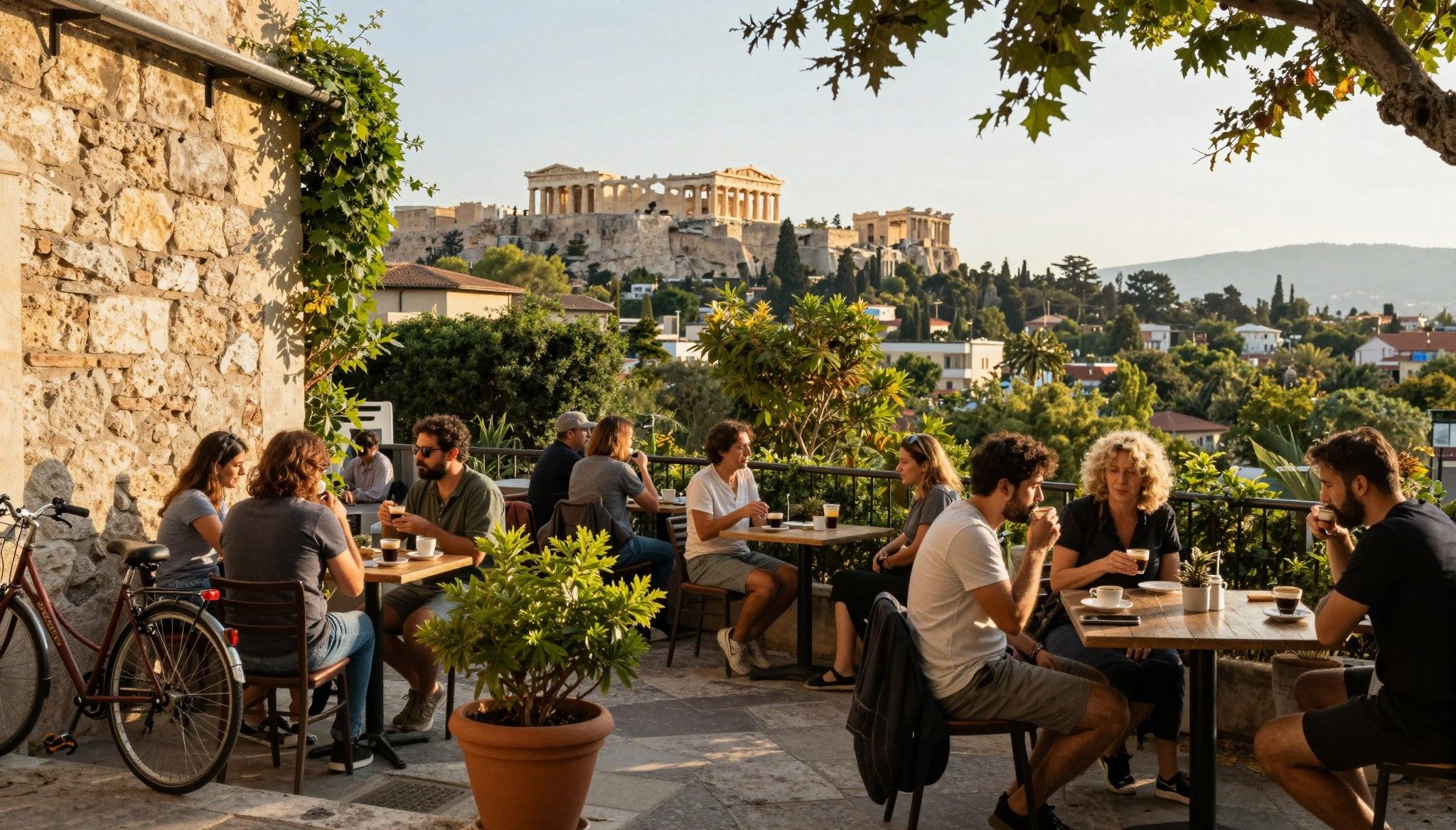
Imagine arriving in Greece on an August afternoon: the alleys of Plaka shimmer, terraces pulse with tourists, and every seafront villa is shown under the golden hour. It feels like an irresistible time to buy—the light, the life, the availability of viewings. But that heat and movement mask important realities about price transparency, seasonal distortions, and what a house will actually feel like in winter. In this piece we flip a common assumption: summer viewings in Greece often lead buyers to overpay and misread long‑term lifestyle fit.
Living the Greece life: more than sun and postcards
Greece’s appeal is sensory and social: morning espressos at neighborhood kafeneia, the smell of grilled fish drifting from seaside tavernas, and the slow late‑afternoon rhythm where shops close for siesta and life moves outside. Beyond the postcard image, urban and island life differ sharply—Athens hums with culture and supply constraints, while islands like Naxos or Evia offer a quieter, nature‑first tempo. The recent market momentum has attracted many international buyers, but how you experience community, services and seasons will shape whether a property becomes a sanctuary or a costly holiday rental. Notice how contexts shift between tourist‑heavy months and the quieter, revealing off‑season; that difference is where good buying decisions are made, not under summer's flattering light. ([bell.global](https://bell.global/greece-real-estate-market-2026/?utm_source=openai))
Neighborhood spotlights: Athens to the Ionian coves
Walk from Koukaki’s artisan bakeries to Glyfada’s pine‑lined promenades and you feel the range of Greek living. Koukaki offers restorative city life near the Acropolis, Glyfada the seaside suburb with marinas and international schools, and the Ionian coast—around Paxos and Lefkada—delivers dense greenery and dramatic sea cliffs. Prices and availability reflect these differences: central Athens neighbourhoods and premium islands show stronger demand, while lesser‑known coastal towns retain more value for green‑minded buyers. When you choose a place, name the exact street, café or beach you want to live beside—those micro‑details determine lifestyle, not broad labels.
Food, markets and rituals that anchor life
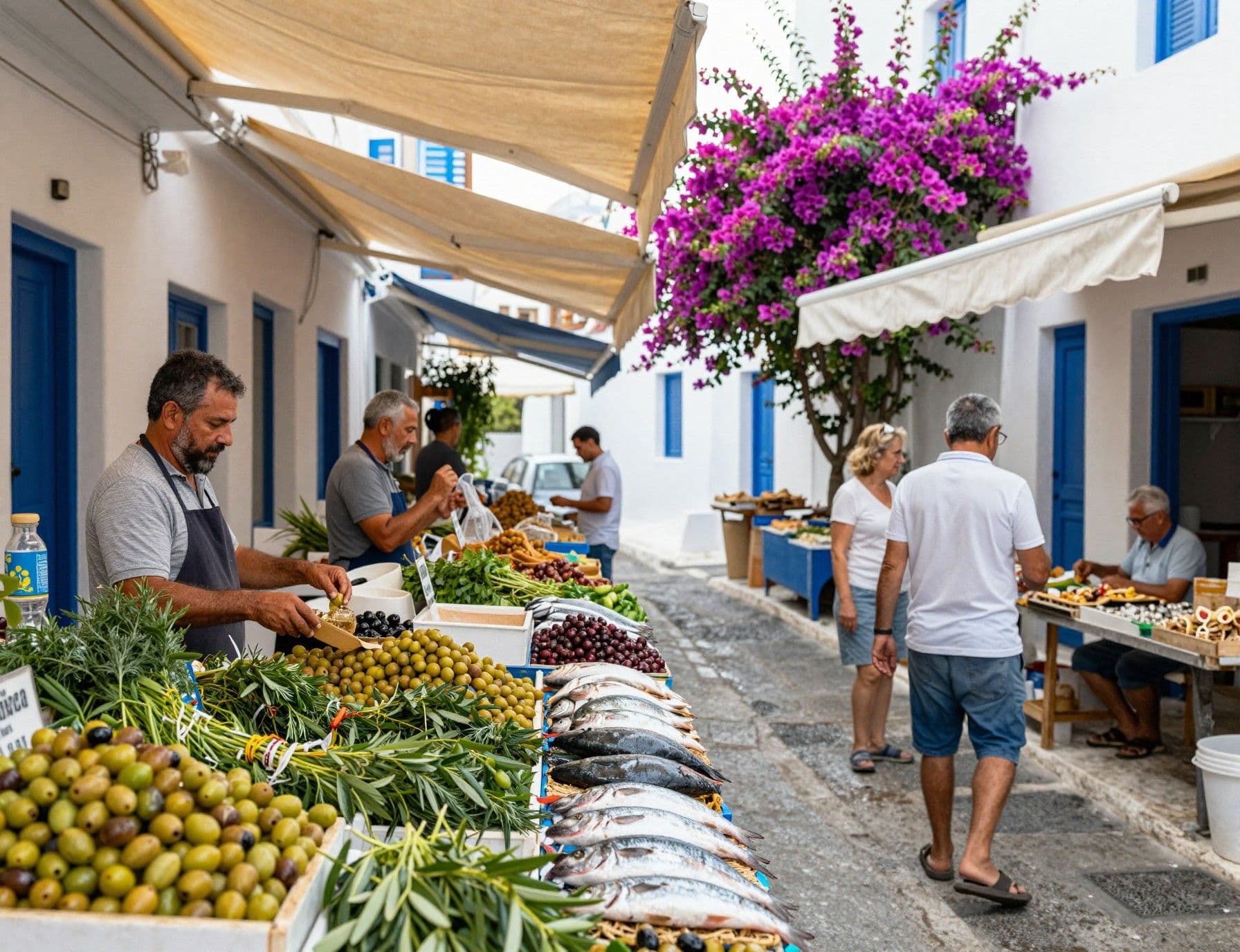
Daily life is defined by the market and the table: morning markets in Thessaloniki or Chania overflow with vegetables and seafood, neighborhood bakeries line up people for koulouri and coffee, and Sundays still bring family lunches that stretch. Seasonal festivals—olive harvests, wine events and local panigyria—shape community rhythms and connect buyers to place in ways that summer viewings rarely reveal. These rituals also indicate practical needs: kitchens sized for long meals, storage for preserves, and outdoor space for terraces and vegetable beds. If green living matters, look for properties with sunlight patterns, potential for rooftop solar, and soil for planting; those features are lifestyle multipliers, not extras. ([eurobank.gr](https://www.eurobank.gr/-/media/eurobank/business/business-academy/tourismos/ai-psifiakos-metasximatismos-stratigikes-anaptuksis/sete.pdf?utm_source=openai))
Making the move: practical considerations that respect lifestyle
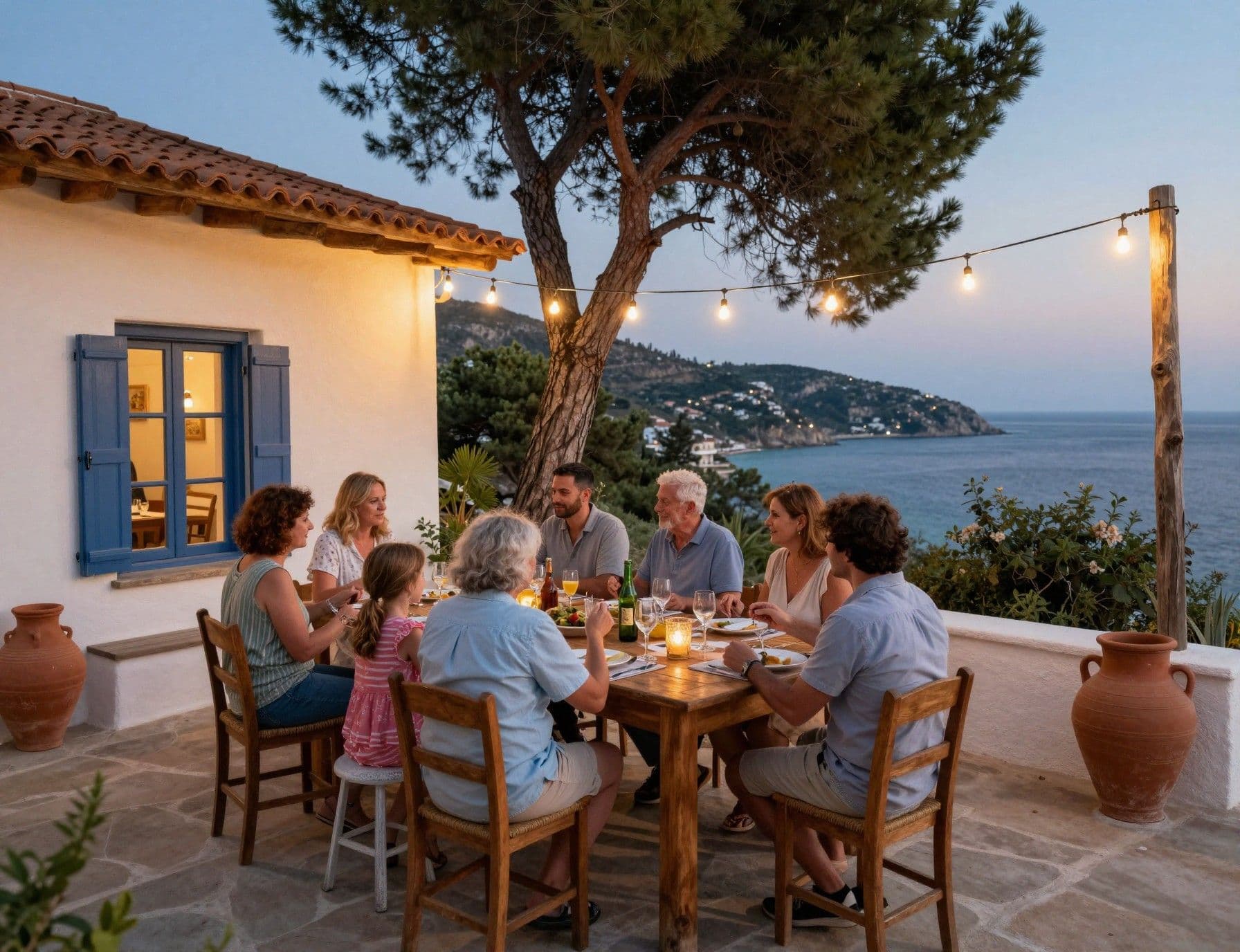
Turning a summer crush into a year‑round life requires a sober look at seasonality, services and regulations. Greece’s market has matured since Golden Visa reforms and price growth has moderated in places, meaning timing matters less than local intelligence. Work with experts who can show properties in low season, check winter accessibility, and verify running costs for heating, water and electricity. Remember: a home that feels perfect in August may have damp problems, limited heating, or empty streets in November unless you’ve checked the realities of off‑season life. ([buygreece.us](https://www.buygreece.us/blog/greek-real-estate-market-update-q1-2026?utm_source=openai))
Property styles and how they shape daily life
Traditional stone cottages on the mainland provide insulation and a deep connection to local craft, while coastal villas favour open plan living and cross‑breezes. Apartment living in Athens offers proximate services and winter warmth, but check insulation, window quality and communal heating rules. For eco‑conscious buyers, search for properties with south‑facing exposure, thick stone walls, existing solar panels or room for them, and gardens with native species that require little water. If Golden Visa pathways or investment thresholds are part of the plan, be attentive to recent legislative shifts that influence where and how much you must invest. ([gaganas.com](https://www.gaganas.com/news/golden-visa-greece-2025?utm_source=openai))
Working with local experts who know seasons
Choose agencies and lawyers who operate year‑round and who explicitly show you properties in low season. They’ll flag hidden costs—winter heating, uncommon water shortages, or delayed maintenance—and help negotiate seasonal discounts. A trustworthy agent can arrange winter viewings, connect you with local craftsmen for green retrofits, and verify community services such as healthcare and schools. These are the people who translate the lifestyle you loved in August into a sustainable life the other ten months of the year. ([ey.com](https://www.ey.com/content/dam/ey-unified-site/ey-com/en-gl/technical/tax-alerts/documents/ey-greece-implements-new-amendments-impacting-golden-visa-applicants-and-digital-nomads.pdf?utm_source=openai))
Insider knowledge: what expats wish they'd known
Expats often tell the same story: a summer romance with a place followed by surprise at the quiet, the logistics, and the community in low season. Many missed signs are simple—narrow roads that are impassable after storms, delivery services that stop for parts of winter, or neighbours who truly prefer solitude over hospitality. Others are financial: properties shown heavily in summer can carry hidden maintenance needs revealed only by winter weather. Learn from those who have lived it: ask to see the heating bill, rainwater drainage, and access during storm months before you sign.
Cultural integration and community realities
Greek social life is quietly generous but also rhythmical: tavernas close for a season, local councils have specific market days, and relationships build slowly over shared meals. Learning key phrases, joining a neighborhood association, or volunteering at a festival fast‑tracks belonging. Respect for local norms—quiet hours, recycling habits, and communal garden care—makes integration easier and enhances stewardship of your property and its landscape.
Long‑term lifestyle sustainability
Think past purchase: a property that supports renewable energy, water conservation, and native planting will cost less and feel better across seasons. Consider solar panels sized for winter use, greywater systems for gardens, and insulation upgrades that honour traditional materials. A modest retrofit can transform a summer showpiece into a resilient, low‑impact home that breathes with the landscape rather than fighting it.
- Lifestyle + Practical checklist before you bid
• Visit the property in low season to test access, services and neighbourhood rhythm. • Request winter and annual utility bills and maintenance records before offers. • Ask for recent surveys on insulation, damp and roof condition; budget for ecological retrofits. • Verify local planning rules for solar, rainwater harvesting and garden planting. • Meet potential neighbours, cafe owners and council reps—community fit matters as much as tile style.
- Step-by-step summer-to-winter buying process
1. Make a first visit in summer to scope lifestyle; note what the season masks. 2. Schedule a second visit in low season to test access, noise, and services. 3. Commission a winter‑focused survey and request utility histories. 4. Negotiate with season‑aware agents for price adjustments based on realistic year‑round costs. 5. Close with a plan and budget for eco‑upgrades that secure comfort across seasons.
Conclusion: love the light, verify the life
Greece offers a rare blend of sea, forest and village life that rewards careful stewardship and seasonal understanding. If you fall in love in August, pause and plan to test the place when the tourists have left; that second visit is where clarity lives. Work with local experts who show you properties year‑round, check Golden Visa or investment thresholds when relevant, and budget for ecological improvements that make a lifetime home instead of a summer fling. When you buy with seasons in mind, your home in Greece becomes an enduring place of quiet beauty and daily delight. ([buygreece.us](https://www.buygreece.us/blog/greek-real-estate-market-update-q1-2026?utm_source=openai))
Moss & HearthDutch property strategist who helped 200+ families find sustainable homes in southern Europe; expert in legal pathways and long-term stewardship.
Related Articles
More insights that might interest you
 Villa Curated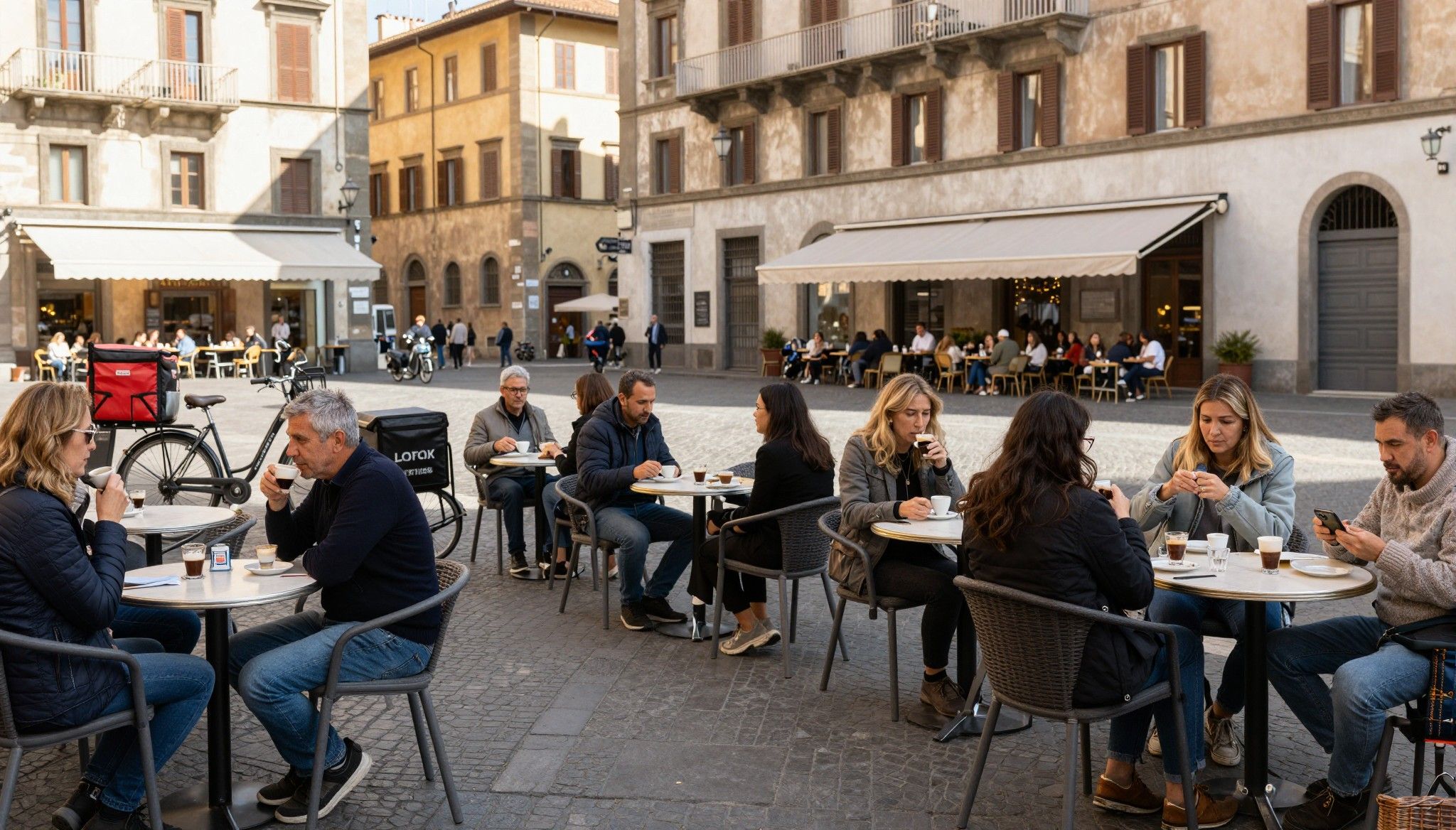
 The Yieldist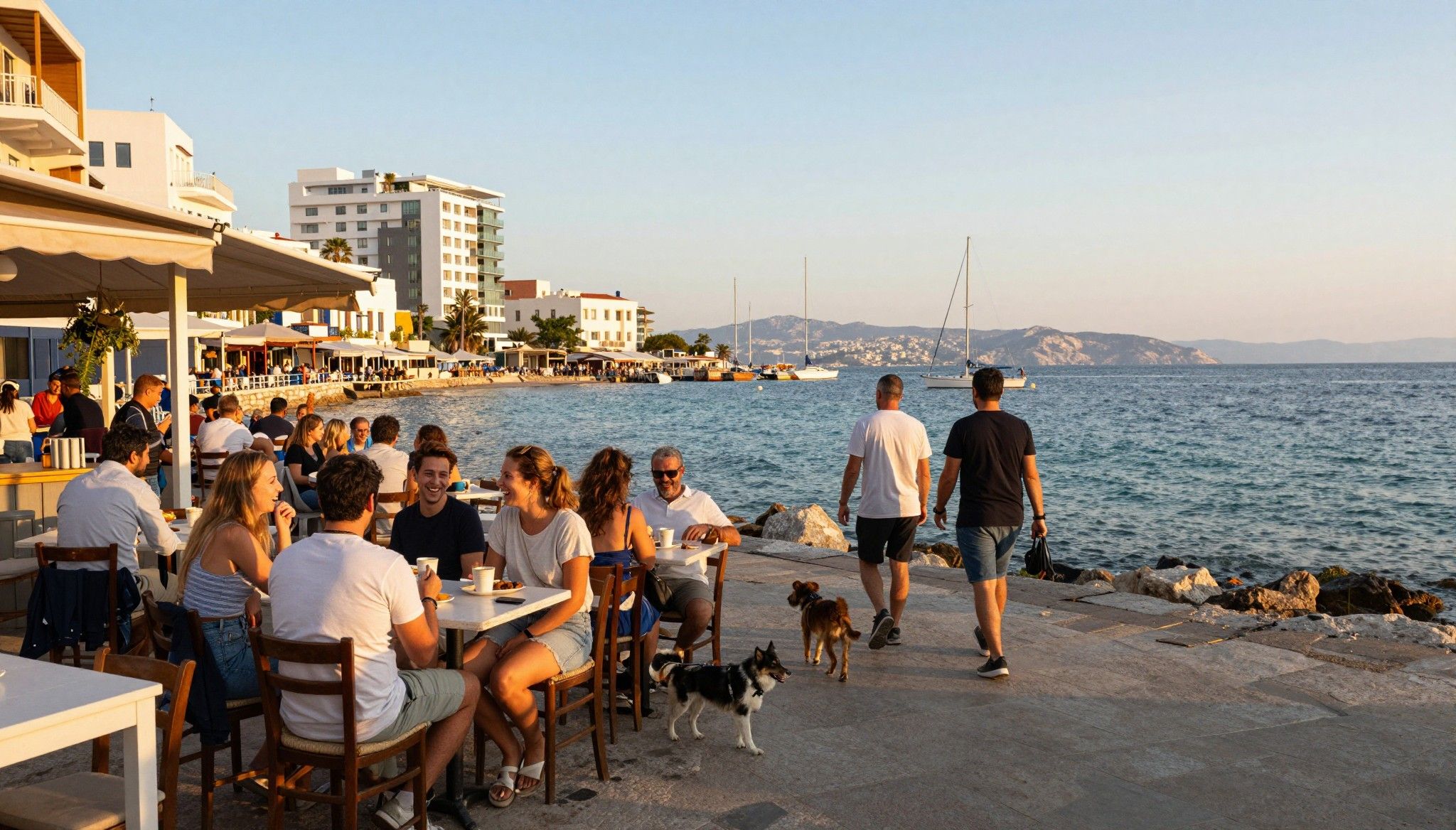
 MoveSettleGo
