Insurance as Stewardship: Protecting a Home in Greece
Greece’s recent tax incentives and low insurance penetration mean buyers should pair lifestyle choices—island living, neoclassical homes—with policies that protect value and enable tax breaks.
 Villa Curated
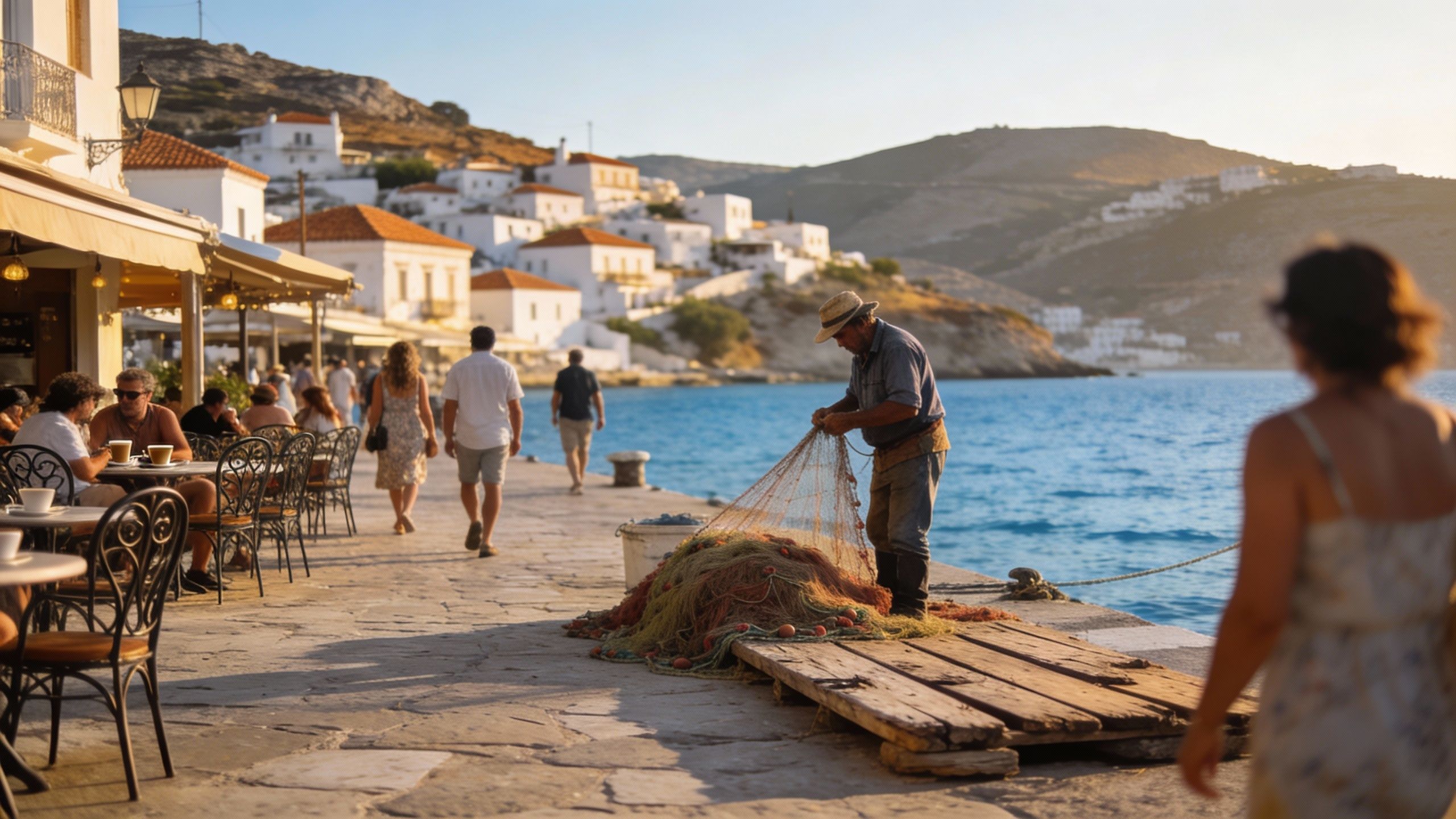
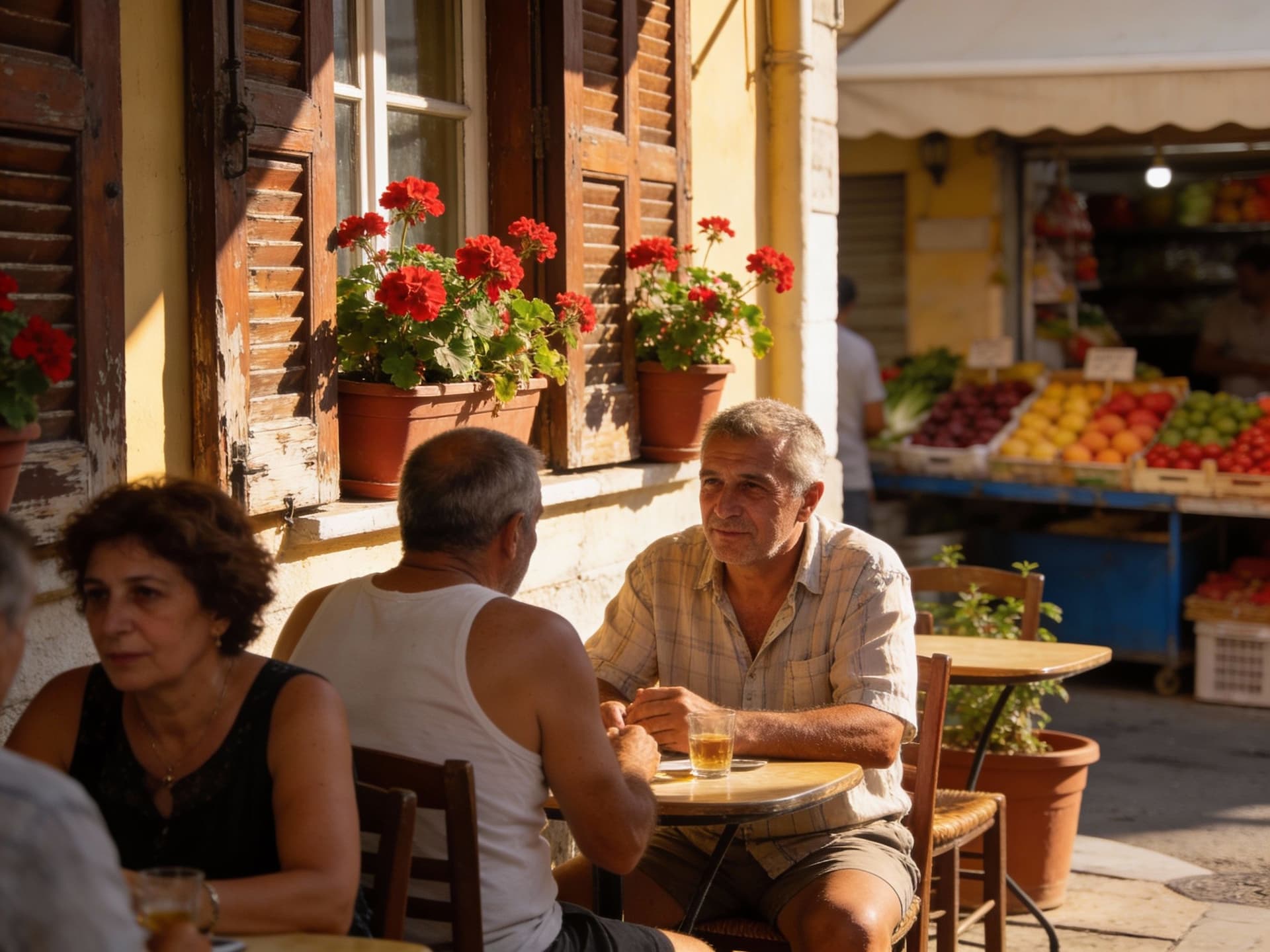
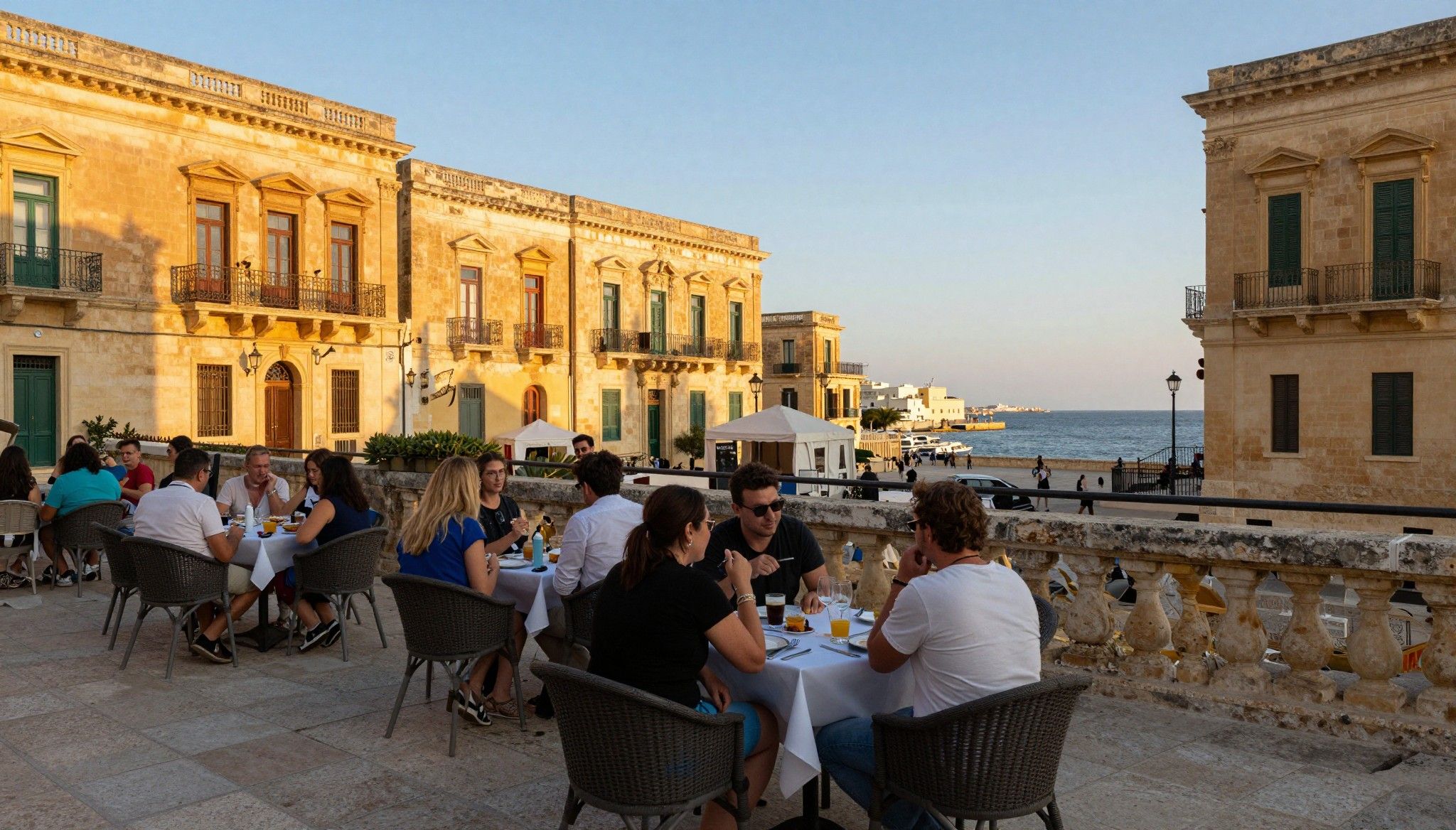
Imagine a late‑afternoon espresso on a shaded table in Plaka, the Acropolis pale and patient above you, while a neighbour repairs timber shutters and the scent of frying fish drifts from the taverna. Greece is a place where the daily rituals—market bargaining, island moorings at dawn, the hush of small‑town Sundays—shape the way houses are lived in and protected. That lived reality should inform how an international buyer thinks about insurance: not as an afterthought but as an act of stewardship for a life you intend to keep.
Living the Greek life: senses, seasons and streets
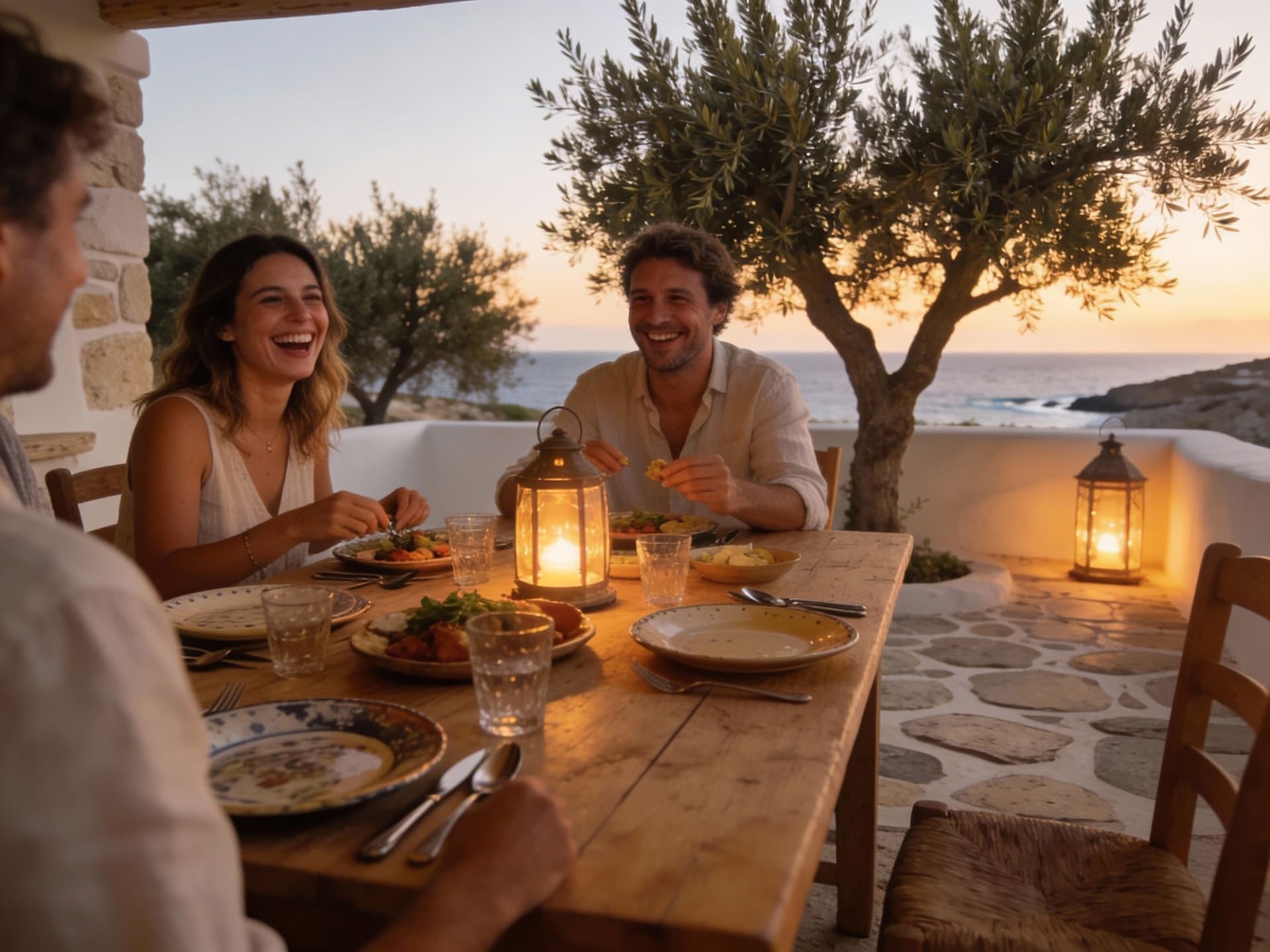
Greece arrives by sound and by light: church bells at dawn in Hydra, the clack of café spoons in Exarchia, the wind that scours whitewashed facades on Paros. Lifestyle choices—whether you prize a rooftop in Koukaki with an evening view of the city or a stone house on Kefalonia with olive groves at its edge—determine the kind of insurance cover you need. Coastal properties face salt, wind and storm surge; inland neoclassical homes contend with fire risk and older wiring; the islands must reckon with seismic history and evacuation logistics.
Neighborhood snapshots: Athens, Peloponnese and the Cyclades
In Athens, Koukaki and Anafiotika trade quiet squares for immediate access to cultural life; in Nafplio the waterfront promenade sets a different rhythm of civic life and municipal services; on Syros and Naxos local communities maintain pragmatic networks for maintenance and emergency response. Each place has its own practical consequences: homeowner associations in Athens may demand specific fire‑safety checks, while island municipalities can have longer timelines for permitting and repairs after damage.
Food, markets and small‑scale stewardship
A house in Greece is lived with daily: morning markets on Evia, a weekend fish roast in Chania, the neighbour who lends ladders. This intimacy increases the value of protection strategies that blend insurance with local service relationships—trusted builders, local electricians, a notary known for speed when deeds need correcting. Practical protection begins long before a claim: maintenance, provenance checks, and relationships that reduce risk and restore normal life swiftly.
- Lifestyle highlights that should shape your insurance choices
- Morning markets in Athens and Chania—consider contents and liability cover for frequent home‑deliveries and market storage.
- Island homes with private moorings—add marine liability and flood/storm surge extensions.
- Properties in seismic zones—prioritise structural cover and document condition with dated surveys.
Making the move: practical protection and policy choices
Recent policy changes have turned insurance into more than risk‑management; it now influences tax outcomes and, increasingly, access to state support. For international buyers this means choosing cover that satisfies ENFIA discount rules and local mortgage or condominium requirements. Insurers commonly bundle building (structural) cover, contents, public liability and catastrophic extensions—read the fine print to see which perils are defined as ‘‘natural disasters’’ in each policy.
Property styles and recommended cover
A restored neoclassical in Nafplio needs thorough structural‑restoration valuation and artisan contractor lists; a contemporary seafront villa requires salt‑corrosion and flood mitigation endorsements; a Cycladic stone house should include roof and lime‑mortar repair costs. Insurers often base rebuilding estimates on local construction costs—ask for itemised rebuild valuations and compare them to independent quantity surveys.
Working with local experts who protect the lifestyle
- Retain a Greek‑licensed notary and local solicitor who understands municipal procedures for claims and rebuilds; secure a valuation from a recognised chartered surveyor; appoint a local property manager with proven emergency contacts; select an insurer with Greek claims presence and English‑speaking adjusters; register your policy details with AADE or the platform required for ENFIA discounts.
- Practical steps to make a policy work for you: 1) Confirm policy meets ENFIA criteria for earthquake, flood and fire; 2) Ask insurer to submit proof to AADE or follow the registration route required for tax discounts; 3) Keep dated condition surveys and contractor estimates; 4) Ensure language of contract is clear and have an official translation for your records.
Insider knowledge: what expats wish they’d known
Many arrivals are surprised by the protection gap: historically low insurance penetration means that neighbourhoods often lack collective memory of claims procedures. That can slow recovery after storms or quakes. The practical remedy is social: invest in relationships with local craftsmen, neighbours and municipal officials and ensure your policy complements—not replaces—local resilience.
Cultural rhythms that affect risk and claims
Greek communities value reciprocity; a neighbourly network often mitigates small losses quickly. Conversely, bureaucratic claims processes are highly local: documentation, dated photographs and the notary’s attestation can meaningfully accelerate settlements. International buyers should keep original purchase paperwork, up‑to‑date energy and safety certificates, and a simple disaster kit in the property as evidence of prudent stewardship.
Longer term: seismic and climate trends are reshaping insurance terms and municipal planning. Recent events around Santorini underline the value of evacuation plans, accessible documentation stored offshore and a local manager who can act while you are abroad. These measures preserve both lifestyle and value.
- Red flags and quick checks before you sign for a Greek property
- No up‑to‑date energy or seismic compliance certificates.
- Unclear rebuild valuation or absence of a quantified rebuild sum in the policy.
- Local contractor references missing—ask for two recent restorations they completed.
Conclusion: If you intend to make Greece your long‑term home, think of insurance and buyer protection as part of curateable daily life. A considered policy preserves mornings in the market, evenings on the terrace and the architectural integrity of the home you inherit. Talk to advisers who understand both the rhythms of place and the paperwork: a notary, a surveyor and an insurer with local claims capacity. Act deliberately, and the house becomes a home that endures.
Villa CuratedFormer Copenhagen architect who relocated to Provence, offering relocation services, market analysis, and a curator’s eye for authentic regional design.
Related Articles
More insights that might interest you
 Villa Curated
 Villa Curated
 MoveSettleGo