The Formalities That Shape Property Life in France
A lifestyle‑first guide to French property formalities: how neighbourhood rituals, notarial practice and local rules shape the smart international purchase.
 Villa Curated
Imagine arriving in Aix at dawn, a croissant steaming in hand, then signing the compromis de vente in an oak‑paneled notary office where the language is precise and the pace deliberate. In France the purchase ritual is as much about stewardship as contract; small formalities—proof of funds, exact property description, the notaire’s role—shape whether a move feels effortless or exhaustingly bureaucratic.
Living the French life before the keys change hands
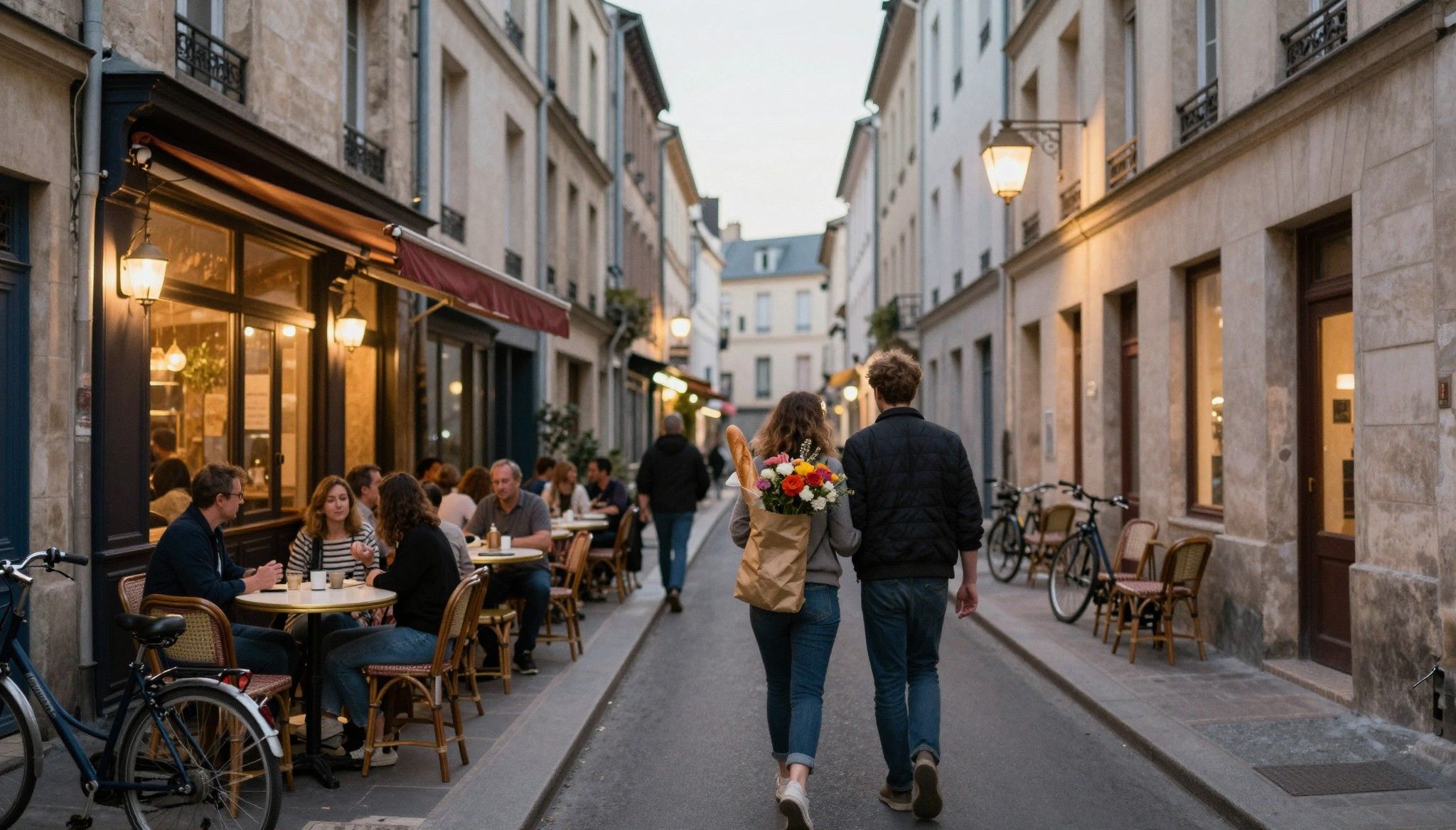
French living is arranged around neighbourhood rituals: morning markets that dictate menus, late cafés that shape afternoons, and boulevards where you learn the rhythm of a town. Picture rue des Trois Frères in Paris, cours Mirabeau in Aix‑en‑Provence or the old port of La Rochelle: each corner signals a practical preference that will influence the kind of property you choose—an apartment for convivial terrace life, a maison de maître for weekend entertaining, or a provençal bastide for seasonal agriculture and light.
Neighborhoods that teach you how to live here
In Lyon’s Croix‑Rousse you’ll wake to boulangeries and local artisans; in the Marais the apartment life is intimate, vertically arranged and best for those who prize cultural proximity; along the Côte d’Azur, villages like Villefranche or Bandol reward evening light and alfresco dining but demand attention to seasonal rental rules and co‑ownership (copropriété) management.
Food, routine and the calendar that shapes choices
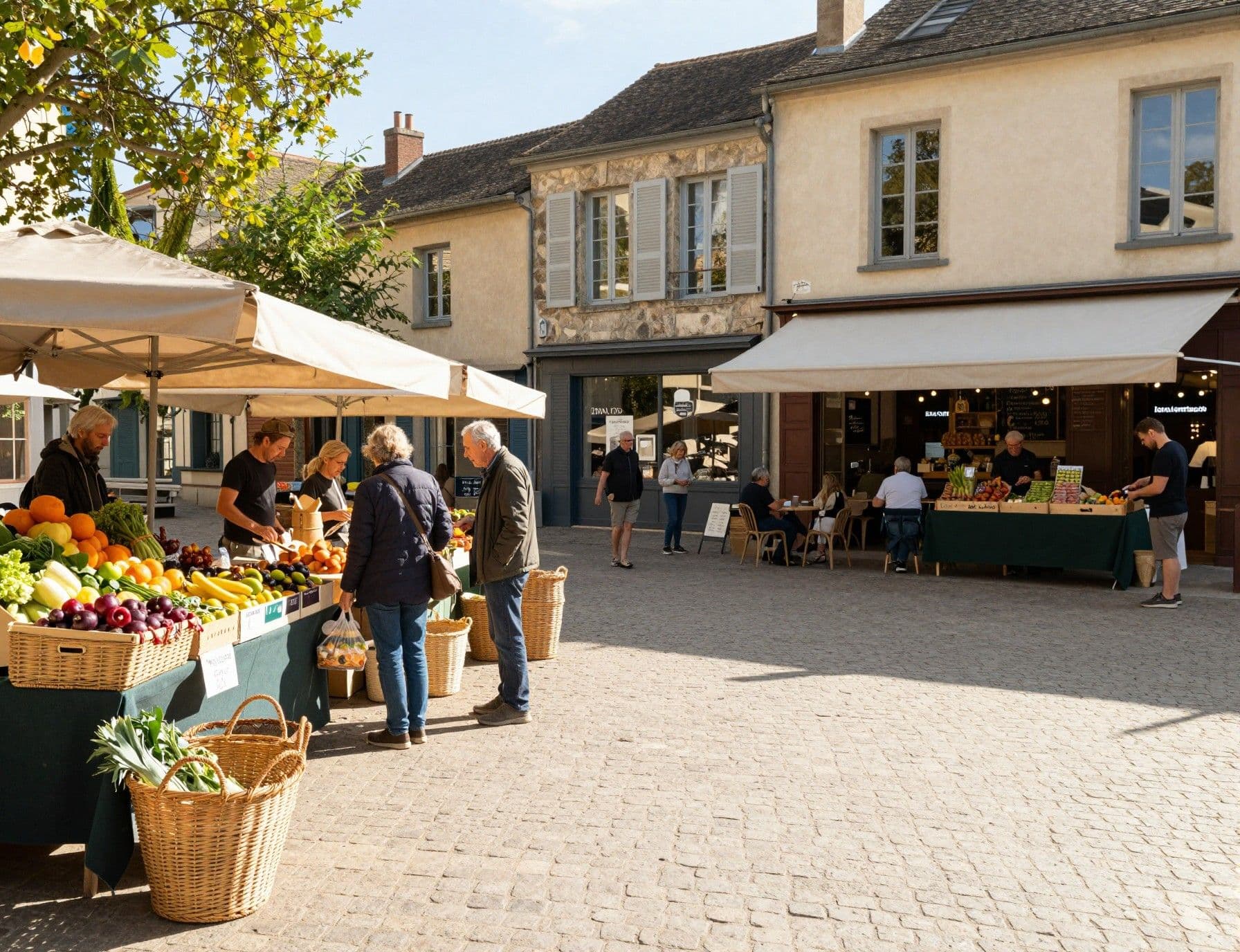
Weekends in France are organized by market timetables and fêtes; proximity to a marché or a marché couvert often trumps extra square metres. That practical preference has legal echoes: properties close to historical centres can be subject to stricter heritage rules (monuments historiques or Aires de Mise en Valeur de l'Architecture et du Patrimoine) that affect renovations and therefore long‑term costs.
- Lifestyle highlights that should affect where and how you buy:
- Live near the marché (e.g., Marché Forville, Cannes) and accept smaller kitchens; renovation limits in protected zones (arrondissements historiques); invest in insulation where winters are damp (Brittany, Normandy); prefer ground‑floor access if you plan regular hosting; choose copropriété with healthy reserves if buying an apartment in older Paris buildings.
Making the move: the formalities that quietly decide success
The French purchase choreography is twofold: the lifestyle you want and the legal architecture that supports it. Contracts such as the compromis or promesse de vente set precise conditions—especially the clause suspensive for mortgage approval. Notaire fees and transfer duties (commonly called frais de notaire) are largely tax components rather than discretionary lawyer costs; understanding their composition prevents surprises at closing.
Property types and what they mean for daily life
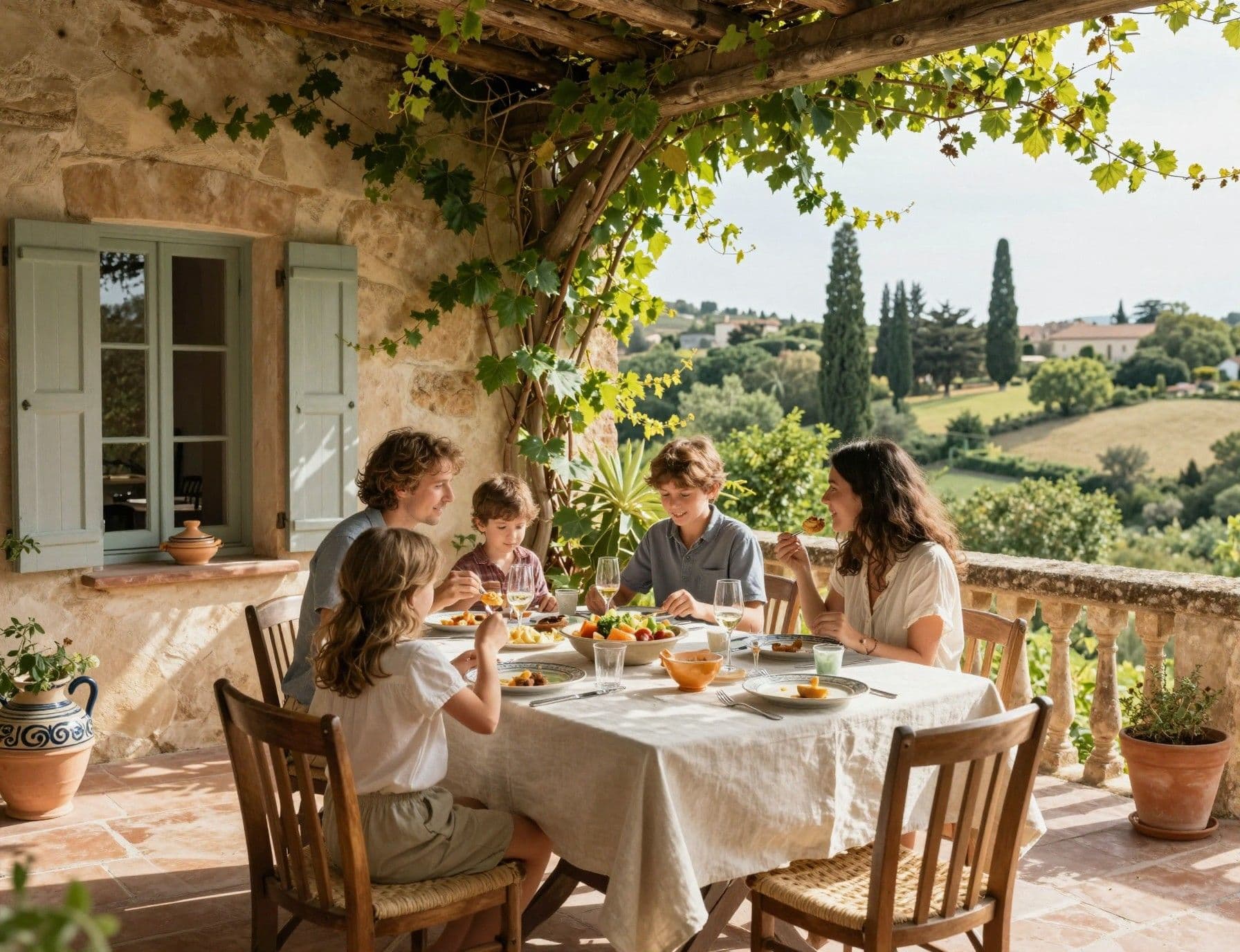
A maison de village offers garden life and neighbourly exchange but often requires attention to septic systems and servitudes. A Parisian haussmannien flat gives ceiling height and centrality with copropriété rules that can limit alterations. A country farmhouse invites agricultural obligations and possible classified status. Each property type imposes practical legal questions: permits for works, mandatory energy diagnostics (Diagnostic de Performance Énergétique), and potential co‑ownership charges.
Local expertise: who you need and why
A concise team for a considered purchase:
- 1. A French notaire to formalise transfer and verify title; 2. A bilingual agent or buyer’s advisor fluent in local zoning and copro rules; 3. A chartered surveyor (expert immobilier) for structural and diagnosis review; 4. A tax adviser familiar with cross‑border treaties and non‑resident filings.
Insider knowledge: the small rules that change outcomes
Two facts seasoned buyers know: first, frais de notaire for older properties are mostly state taxes (about 5–6% of price historically, with department variations), not the notaire’s profit; second, buying does not grant residency—there is no French 'golden visa' for property purchases—so immigration steps remain separate from property law.
Cultural and practical adjustments expats under‑estimate
The French expect paperwork to be complete and local customs to be observed: small gestures—learning basic negotiation vocabulary, respecting municipal building hours, and attending the mairie when required—smooth processes. Expats often assume remote decision‑making is sufficient; in reality, a trusted local representative speeds administrative checks and mitigates surprises.
Long‑view considerations that preserve lifestyle value
Think beyond the signature: local property taxes, potential capital gains for non‑residents, and condominium reserve levels determine whether a house remains manageable as you age into life there. A property that supports daily markets, a short walk to cafés and light maintenance gardens usually offers better long‑term pleasure than one with grand scale and hidden upkeep.
- Practical red flags and actions:
- Title irregularities or missing servitude notices; incomplete diagnostics (DPE, termites, asbestos); communal co‑ownership with low reserve funds; unclear boundary agreements; insufficient proof of utilities or treatment for wastewater. Action: insist on complete dossiers before signing and have your notaire or expert issue a written note of any outstanding condition.
Steps to protect the life you imagine (in order):
- 1. Visit neighbourhoods at different times and seasons; 2. Commission a full diagnostics packet and structural survey; 3. Ask your notaire for a running title search and funds provenance checks; 4. Confirm tax implications with a cross‑border adviser; 5. Reserve contingency for local refurbishment and conservation requirements.
Conclusion: buying in France is an act of joining a place. The legal framework exists to protect buyers and heritage alike; the trick is to treat the process as part of your induction into neighbourhood life. Start with an agent who knows markets and mairie practice, pair them with a notaire you trust, and let the rituals of French life—markets, cafés, local fêtes—guide which property will truly become home.
Villa CuratedDutch former researcher who moved to Lisbon, specialising in investment strategy, heritage preservation, and cross-border portfolio stewardship.
Related Articles
More insights that might interest you
 Villa Curated
 The Yieldist
 The Yieldist


