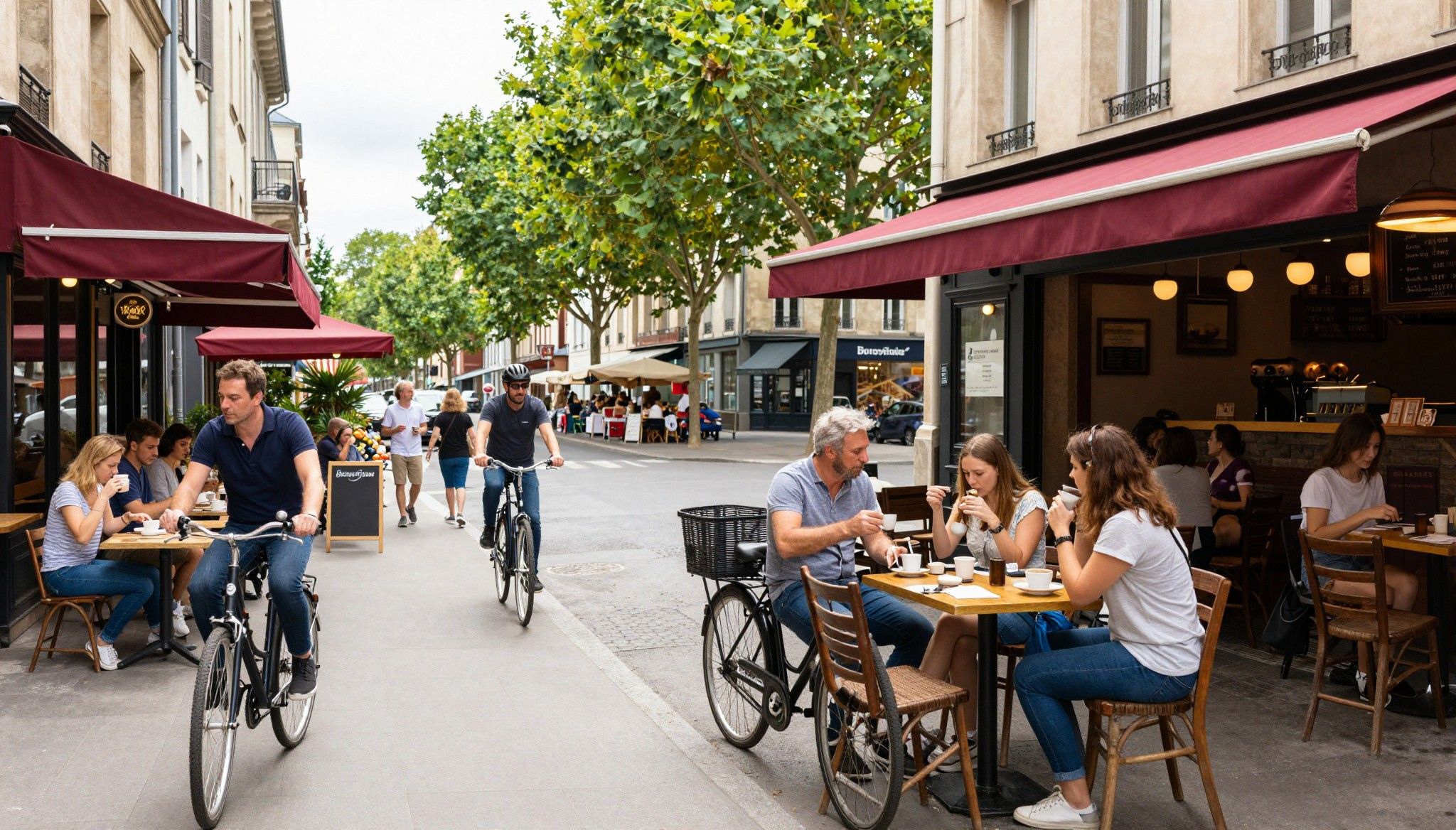
France’s Quiet Value Corridors: Lifestyle Meets Price Momentum
France’s market is not one price: lifestyle corridors and seasonal demand reveal pockets of value—pair Notaires–INSEE data with living‑tests to buy with confidence.
 Blueprintera
Imagine stepping out at 09:00 to buy warm baguettes on Rue Cler, then swapping the bustle of a Parisian morning for a late-afternoon swim on the Côte d’Azur. France folds postcard moments into everyday life — sun-lit terraces, marché conversations, wines you learn to pronounce correctly — and that daily rhythm drives how and where people buy homes.
Living the French life: texture, season and place
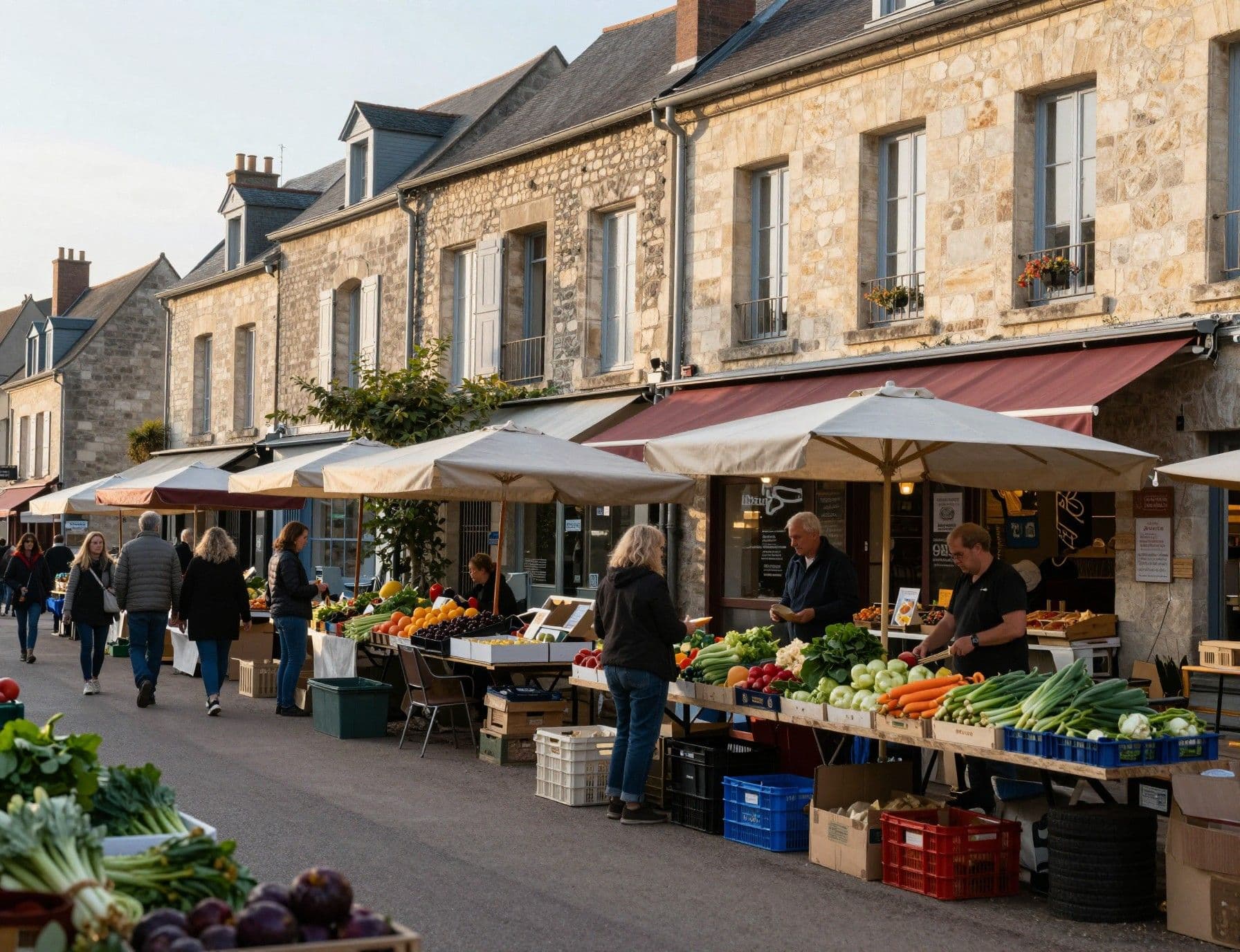
France is plural: urban grids in Lyon and Bordeaux, village lanes in Dordogne, and coastal promenades along the Mediterranean. Each day feels shaped by season — winter market stalls in Lyon, spring terraces in Nice, harvest festivals in Bordeaux — and those rhythms change what buyers want. For internationals, the choice is less 'country' and more 'tempo' — which daily soundtrack do you want?
Paris & Île‑de‑France: Concentrated culture, compact life
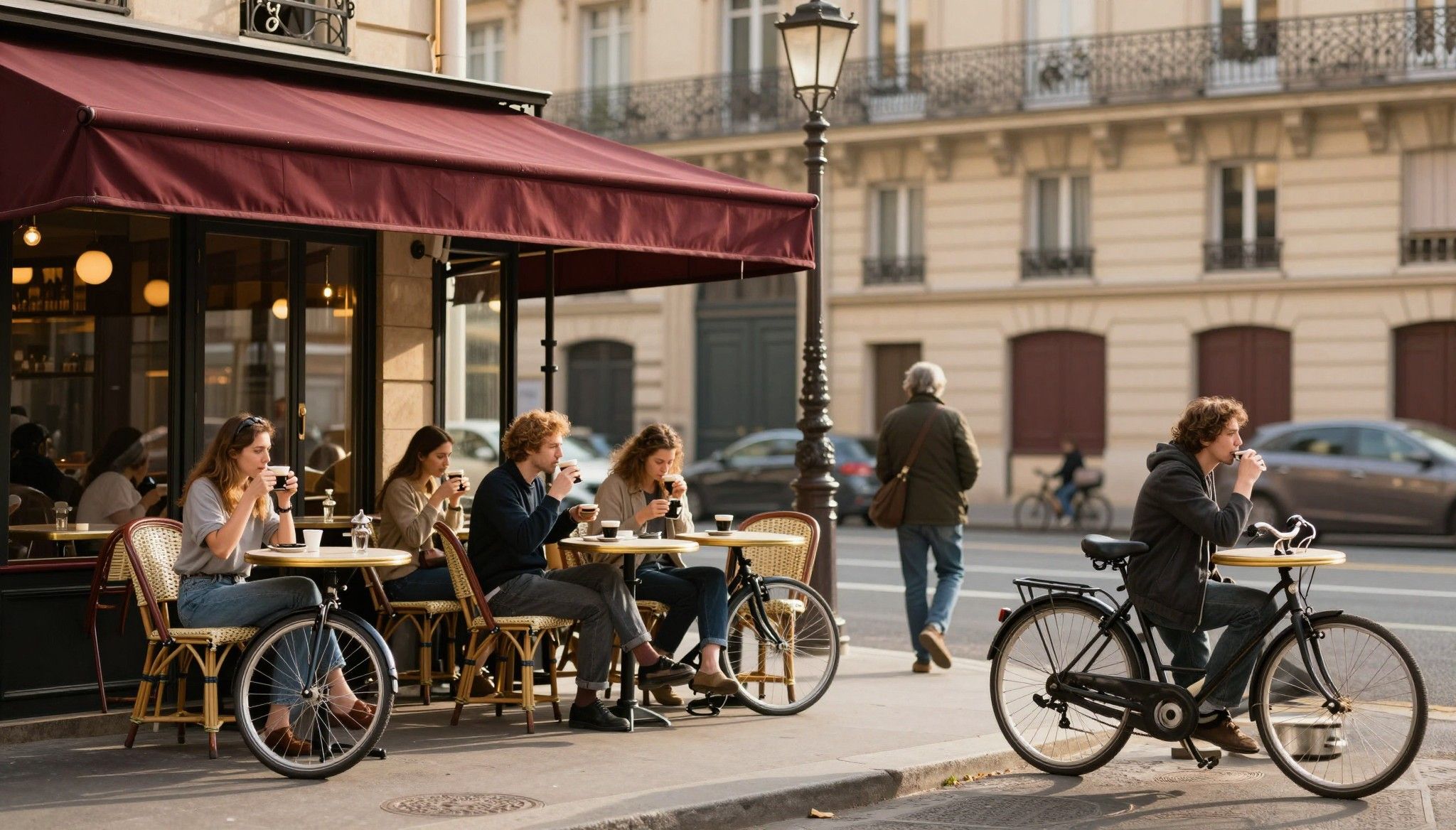
Picture mornings on Rue de Bretagne in the Marais, mid‑day galleries and evenings anywhere between a bistro and the Seine. Apartments are compact, streets are storied, and the premium is in proximity — métro access, schools and small parks. Buyers pay for rhythm and walkability; maintenance and smaller floorplates are part of the trade-off.
South & Coast: Maisonettes, terraces and seasonal life
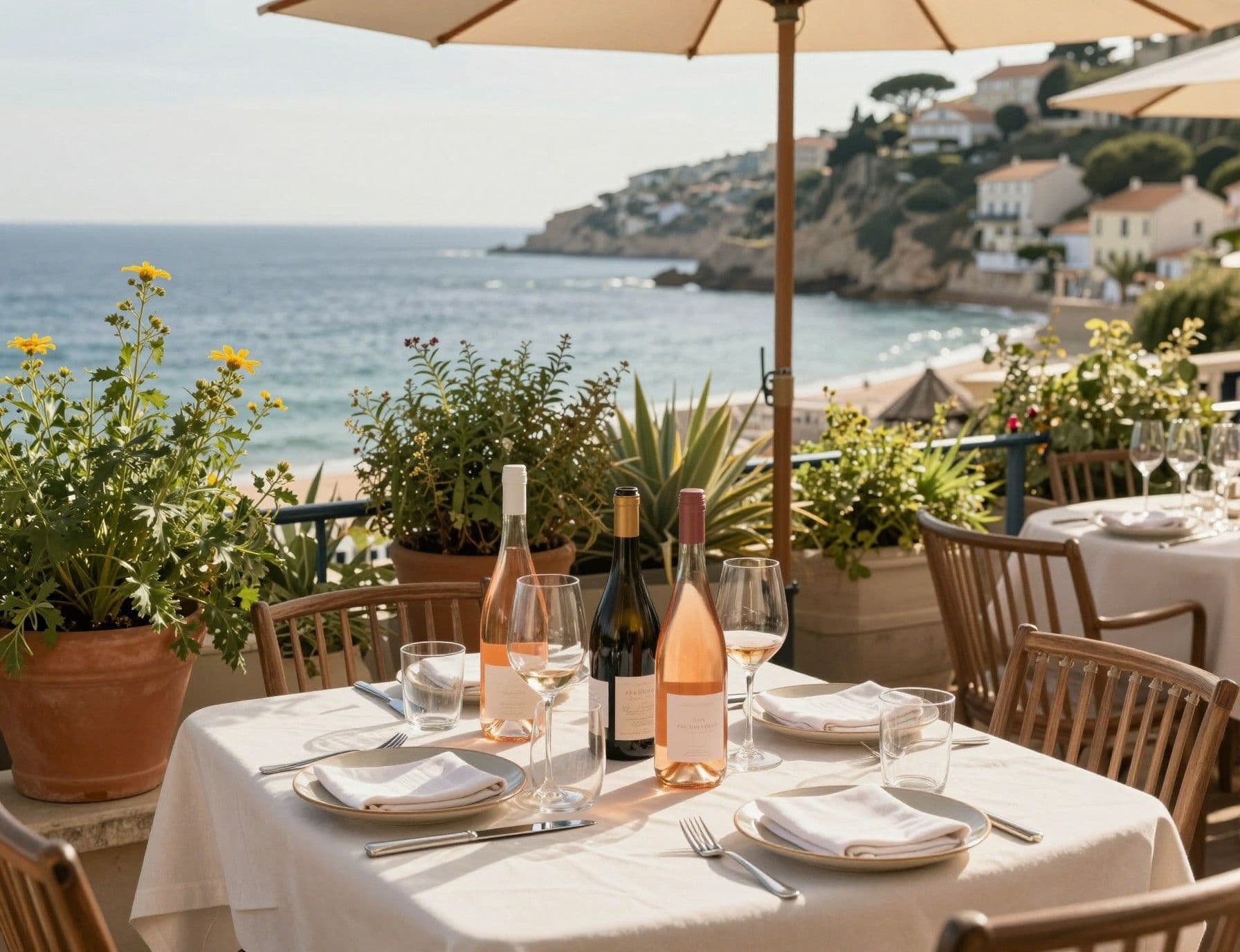
From Antibes to Biarritz, coastal life is about outdoor rooms: terraces, gardens and local cafés. The buyer experience there shifts with seasons — quiet winters, frenetic summers — and that affects rentalability and maintenance. If you crave an open-air life, prioritise outdoor living space and practical access during low-season months.
Making the move: how lifestyle choices map to market signals
Market data show a normalization after the price dips of 2023–24: Notaires–INSEE indices reported modest increases into late 2025 and early 2026, especially for houses outside major cores. That means pockets of value have become visible again — not by accident, but where lifestyle demand meets limited supply.
Property types that suit 'living here' choices
If you want a café-and-walk lifestyle, choose an apartment in a central arrondissement or a central arrondissement-like neighbourhood in regional cities (e.g., Croix‑Rousse in Lyon or Saint‑Michel in Bordeaux). If outdoor, rural or family life matters, target peri‑urban towns with train links: larger floorplans, gardens and access to markets change both living quality and resale dynamics.
Practical steps that blend lifestyle and market sense
1. List daily routines you won’t compromise on (market, commute, schools), then map them to neighbourhoods; 2. Spend 3–7 days living like a local in shortlisted areas during two different seasons; 3. Ask agents for rental history and low-season occupancy if buying coastal property; 4. Prioritise transport nodes (TER, TGV, métro) that preserve lifestyle access while widening resale appeal.
Insider knowledge: myths, seasonal traps and real opportunities
Myth-bust: 'France is uniformly expensive' is false. While Paris and pockets of the Riviera remain costly, many regional cities and coastal towns showed double‑digit growth over five years and now offer accessible entry points with strong lifestyle pull. Smart buyers pair local colour with data — price trends, transaction volumes and seasonal demand.
Red flags that hide behind charm
• Tourist‑heavy streets that empty off‑season and reduce long‑term community cohesion; • Properties with poor insulation in colder zones (higher bills, lower comfort); • Overpromised sea views that lose value with erosion or planning limits; • Listings without clear energy performance (diagnostic de performance énergétique) or recent renovation history.
Where international buyers find overlooked value
Look beyond marquee names: mid‑sized cities with university life (Rennes, Nantes), historic port towns with regeneration plans (Le Havre), and inland wine regions where seasonal demand is steady. These places combine authentic daily life with growing buyer interest and often lower entry prices than better‑known hotspots.
Language, community and daily belonging
You don’t need fluent French to live well, but basic phrases speed everyday life — market haggle, administrative visits, and neighbours. Many towns have active expat meetups and English‑friendly services, but investing time in local greetings opens doors to community invitations and practical help.
How local agencies become lifestyle translators
• Local agents explain micro‑seasonal demand and which months show genuine viewings vs. holiday listings; • They provide realistic running‑cost estimates for old stone houses vs. new builds; • Good agents introduce you to trades, local notaires and rental managers who match the life you want, not just the price range.
If you’ve pictured life in France — cafés, markets, coastal swims, or slow village evenings — align that image with data. Use Notaires–INSEE indices for pricing context, test neighbourhoods across seasons and work with agencies who measure lifestyle outcomes as closely as price per square metre. That blend produces confident buys and homes that feel like they were waiting for you.
Next steps: pick three lifestyles (urban, coastal, rural), shortlist two locations per lifestyle, and spend a week in each during different seasons. Ask your agent for Notaires–INSEE snapshots, recent sale comparables and result‑oriented checklists (energy, insulation, rental history). When data and daily life agree, you’ve found a French place that keeps its promise.
BlueprinteraSwedish strategist who relocated to Marbella in 2018. Specializes in legal navigation and tax planning for Scandinavian buyers.
Related Articles
More insights that might interest you
 Villa Curated
 The Yieldist
 The Yieldist

