Malta’s Nomad Pivot: Lifestyle-First Residency & Property Choices
Malta’s compact charms pair with new nomad residency rules — choose neighborhoods by daily rhythms, test broadband, and prioritise lived-in comfort over views.
 MoveSettleGo
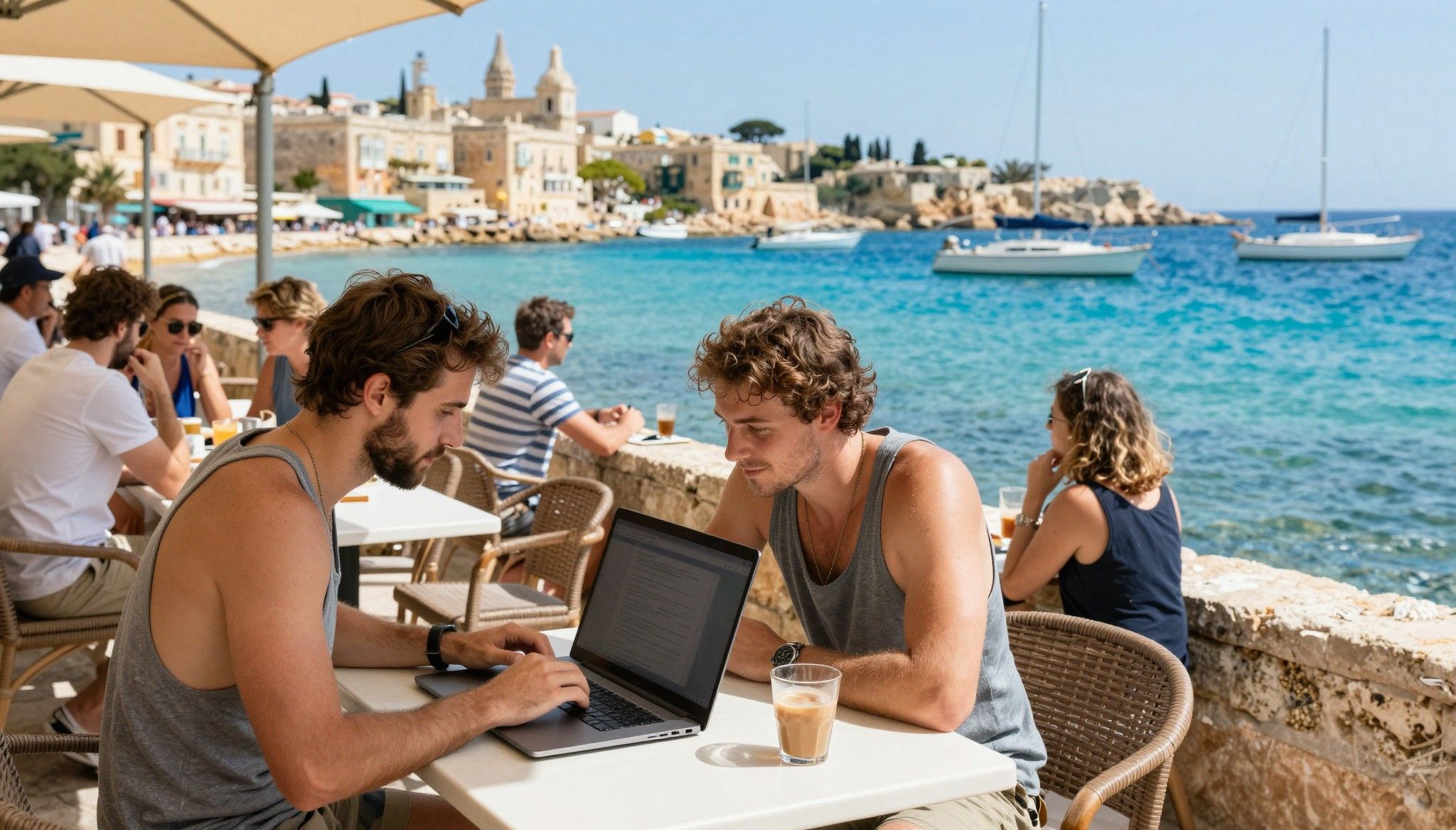
Imagine stepping out of a café on Strait Street, espresso in hand, laptop under your arm, the Mediterranean breeze carrying the smell of baking ftira. Malta is small — you can be on a rocky beach, in a Baroque square, and at a coworking space within 30 minutes. For nomads and remote workers, that compactness is magic; for buyers, it means lifestyle and residency choices are tightly linked and surprisingly nimble. Recent official guidance makes Malta’s Nomad Residence Permit a practical route for many internationals, but the property picture behind the charm needs context.
Living the Malta lifestyle
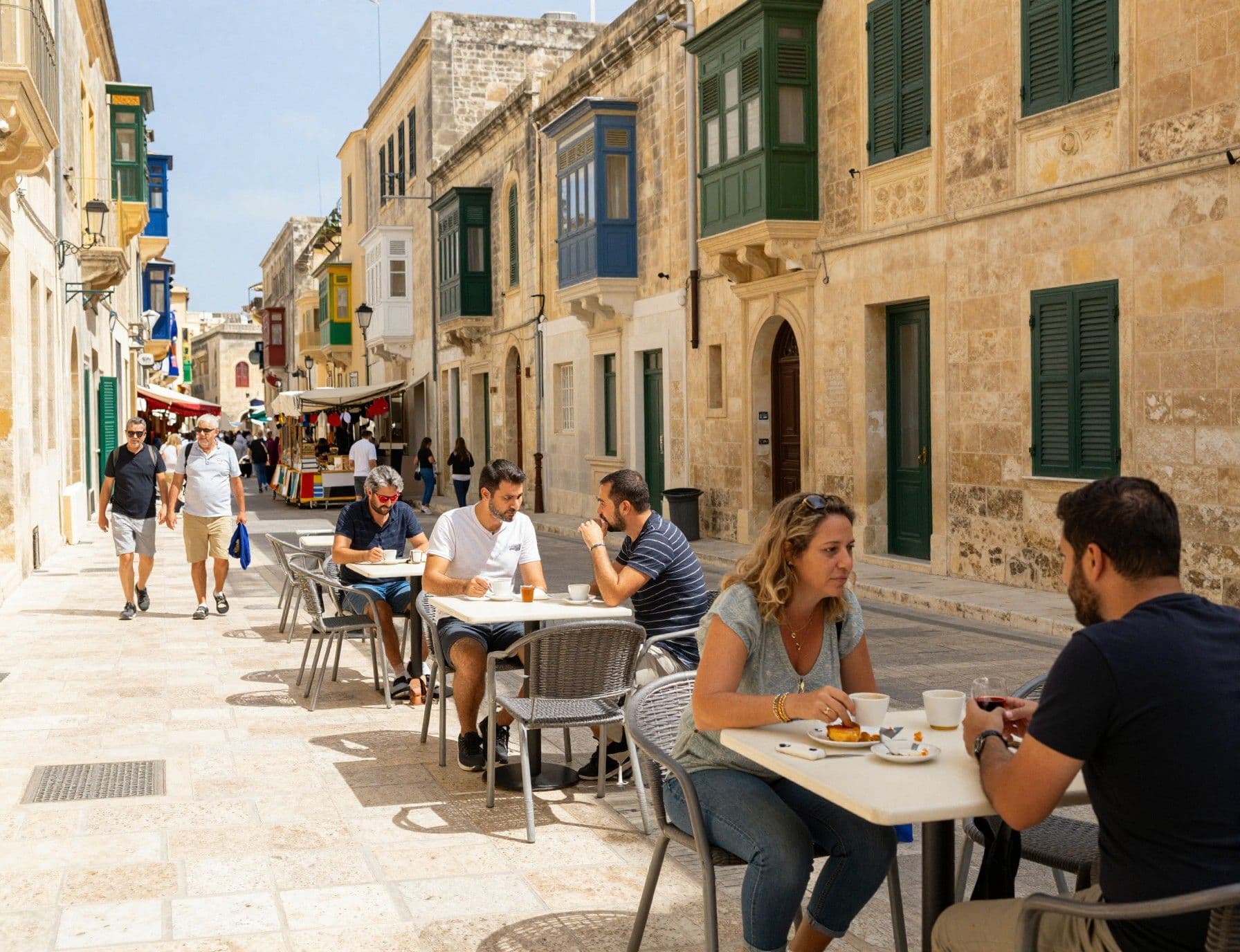
Days here have a slow, social rhythm. Mornings are for coffee — try Caffe Cordina in Valletta or a street-facing table in Sliema — afternoons can be for sea swims or focused deep work in a bright apartment, and evenings belong to long meals that stretch past sunset. Streets hum with Maltese and expat voices, English is widely spoken, and neighbourhoods each carry their own mood: student energy in Msida, marina life in St Julian’s, old‑world calm in Mdina’s approach. That variety is a real asset: you can choose a property to match your work tempo and social needs, not just your headline budget.
Valletta & Three Cities: historic pulse, walkable days
Valletta is theatre — limestone façades, tiny cafes, and terraces that look out across the Grand Harbour. Buy here and you’re buying into immediate walkability, cultural calendar access, and homes that often come with character (and quirks like narrow windows and thick walls). Across the water, the Three Cities (Birgu, Senglea, Cospicua) offer a slower, surprisingly local life with waterfront promenades and more house-style floorplans. Expect cobbled lanes, boutique restaurants, and smaller crowds outside peak season.
Sliema, St Julian’s & Gozo: sea, social life, and alternatives
Sliema and St Julian’s are the obvious picks for easy cafés, coworking, and evening social scenes — great if you want to mix beach mornings with lively nights. Gozo, by contrast, sells quiet authenticity: artisanal markets, expansive rural views, and slower summers. Recent property trends show steady price growth across Malta, so lifestyle tradeoffs matter: centrality and immediate social life often command a premium, while quieter corners can give more space for the same money. Pick the vibe you’ll live, not the Instagram moment.
- Lifestyle highlights to taste-test in person: - Morning espresso at Caffe Cordina, Valletta - Sunset swims at St Peter’s Pool, Marsaxlokk day trips - Coworking in Panta Rei, Sliema or The Hub, St Julian’s - Weekend farmers’ produce at Marsaxlokk market - Aperitifs on the Valletta bastions at golden hour
Making the move: practical considerations that shape life
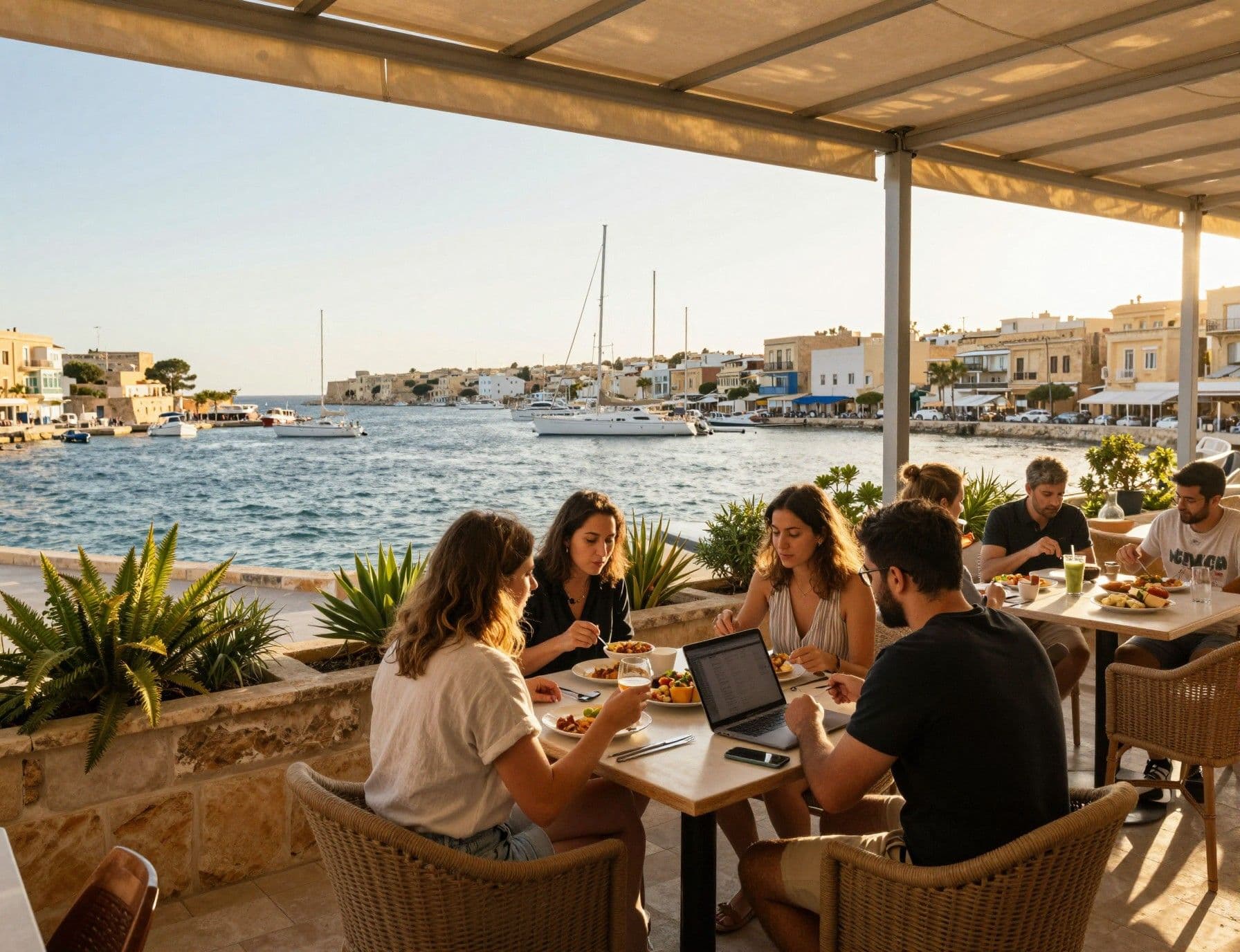
Love the lifestyle, but the visa details change how you shop. Malta’s Nomad Residence Permit exists to let remote workers live on the island while remaining employed abroad; official guidelines clarify eligibility and tax expectations. At the same time, property headlines — small stock and steady price rises — mean buyers need targeted local help to find homes that work for remote life: reliable internet, balcony or terrace for daytime breaks, and compact layouts that still fit a workspace. Treat residency and property as two halves of one decision.
Property types that actually fit nomad life
Apartments, maisonettes, and reworked period homes dominate Malta’s market. For a remote worker, look for a bright room that converts into a dedicated office, and a balcony or nearby café for improvised standing meetings. Old town buildings offer charm but sometimes noisy streets and smaller windows; newer developments give predictable insulation and fibre-ready wiring. Think like someone who lives and works in the same footprint: storage, multi‑use spaces, and good sunlight beat a sea-view that’s unusable in winter.
How local agencies become lifestyle matchmakers
- 1. Tell an agent your routine: morning swim, afternoon focus, evening socialiming — they’ll show realistic matches. 2. Ask for live-test days: one-day stays in shortlisted properties to check light, noise and connectivity. 3. Request a local utility and broadband check: confirm actual speeds and wiring, not advertised ones. 4. Get clarity on rental yields vs. personal use if you’ll occasionally rent out while away. 5. Insist on neighborhood walk-throughs at different times: market Saturday, late weeknight and Sunday morning.
Insider knowledge: what expats wish they’d known
Buyers often underestimate seasonality and the island’s tiny scale. Summer looks endless but brings crowds and higher short‑term rents; winter shows the real pace of life and the durability of communities. Affordability is tightening — official indexes show steady year‑on‑year increases — so move timing and negotiation strategy matter. Expat buyers who integrated quickly prioritized neighbourhoods with active meetups, easy coworking, and an obvious daily routine rather than chasing a headline bargain.
Cultural cues that change where you buy
Language isn’t the barrier many expect — English is an official language and paperwork often runs bilingually — but social rhythm matters. Maltese communities prize long family meals, local festa calendars, and neighbourly ties; properties with communal courtyards or rooftop terraces make it easier to plug in. If you want quiet nights to focus, avoid streets near festa churches or late-night bar clusters. Think beyond square metres: pick a block that supports how you socialise.
Long-term living: how Malta changes after year one
After 12 months you’ll notice how community ties and micro-neighbourhood amenities shape daily happiness more than gross rental yields. Renovation comfort — cooling in summer, insulation in winter — turns a quirky flat into a long-term home. Market reports suggest continued price resilience, so buyers who plan to live more than a few months should prioritise quality-of-life features that compound: proximity to good food, reliable broadband, and a friendly street scene.
- Red flags and must‑check points before signing: - No broadband proof: insist on a provider speed test result - Missing permits for renovations — verify title and approvals - Overvalued ‘sea-view’ premiums without functional outdoor space - Underestimated running costs for older limestone buildings - Lack of local agency references or recent client examples
Ready to act? Start with a short reconnaissance trip: live in two different neighbourhoods for a week each, test coworking options, and meet 2–3 local agents who specialise in the vibe you want. Use the Nomad Residence Permit guidance to check eligibility early — it can change which properties make sense for you and how long you can legally stay. Treat Malta as a lifestyle-first buy: when your daily routine fits, the island’s compact magic becomes a home.
MoveSettleGoDanish investor and relocation advisor focusing on Portugal and the Algarve; loves coworking culture and expat networks.
Related Articles
More insights that might interest you
 Villa Curated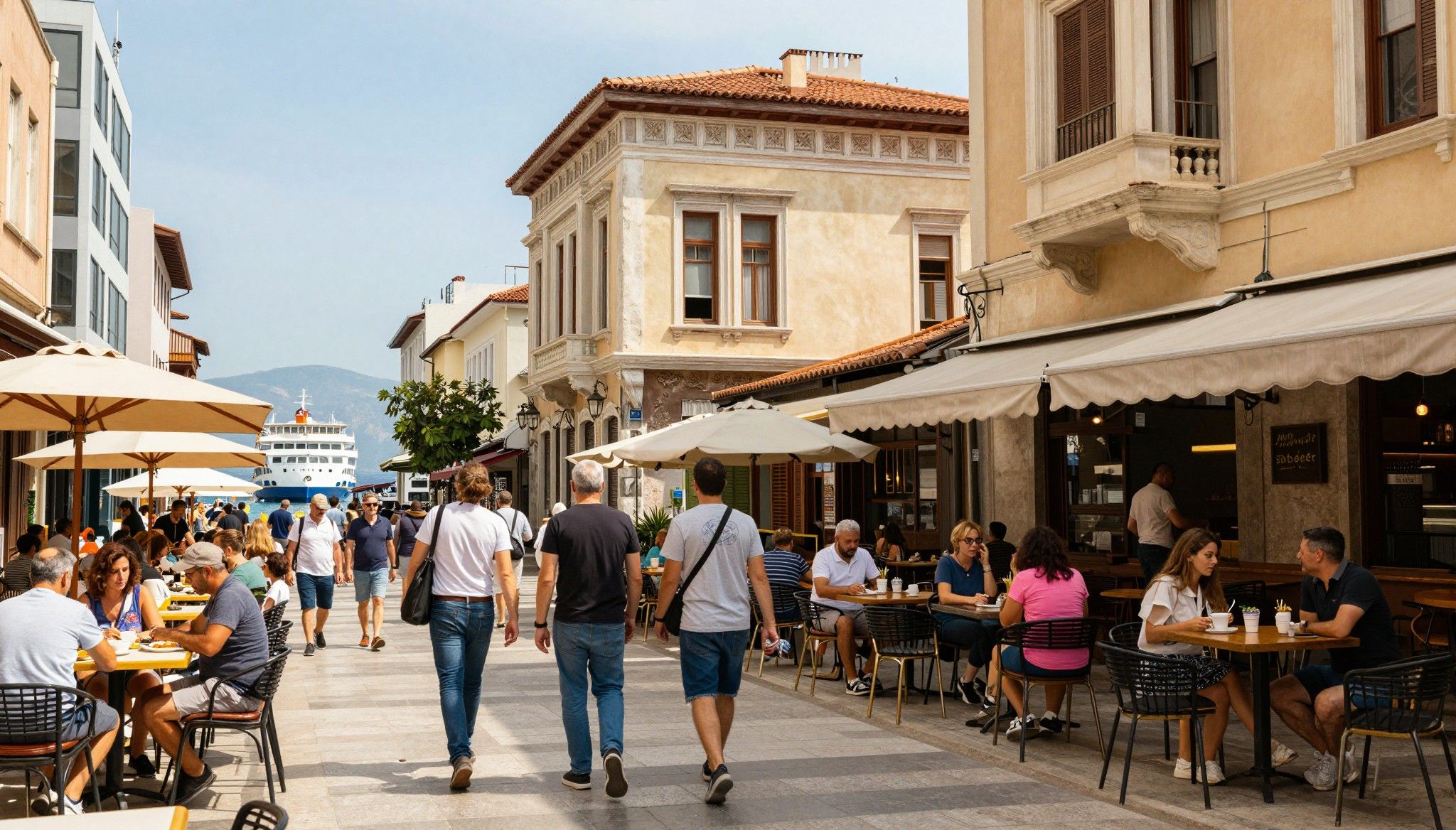
 The Yieldist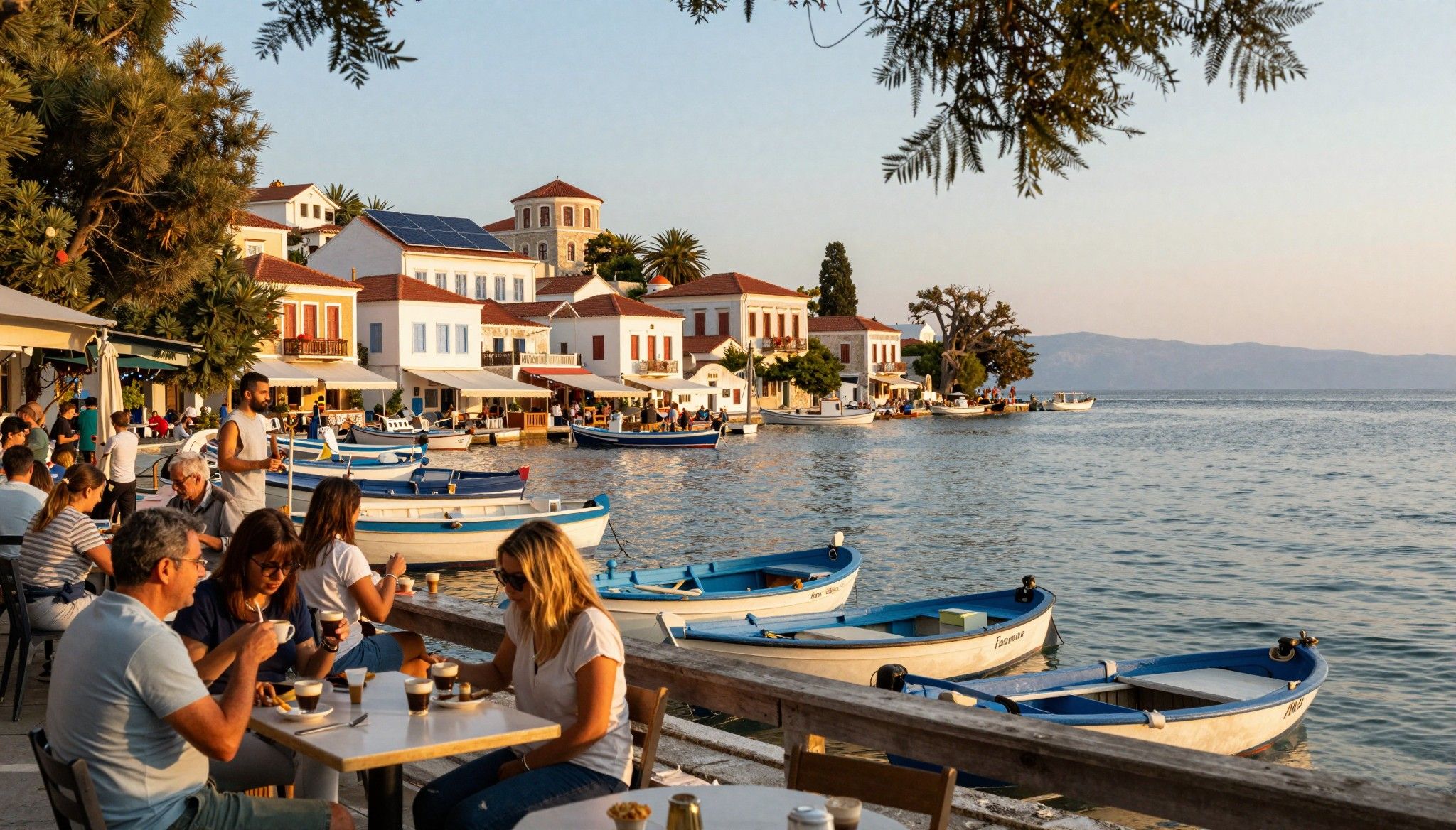
 Moss & Hearth
